Why Lake Bled Belongs on Every Europe Itinerary in 2026
Lake Bled is one of those places that looks better in real life than in photographs — which is saying something, given how obsessively photographed it is. A glacial lake in the Julian Alps of northwestern Slovenia, Bled sits inside Triglav National Park at 501 metres elevation, ringed by pine forests and backed by snow-capped peaks. At the centre of the lake sits Slovenia's only natural island, crowned by a baroque church. On the cliff above the southern shore, a medieval castle surveys the entire scene from 130 metres up.
Bled is compact enough to explore in a long day but rewards several nights. The village has excellent food, comfortable accommodation across every price point, and a string of natural attractions — Vintgar Gorge, the Mala Osojnica viewpoint, a 6-kilometre lakeside cycling circuit — that fill a full itinerary without any filler. This guide covers everything you need to plan your visit in 2026.
The Island and Church of the Assumption
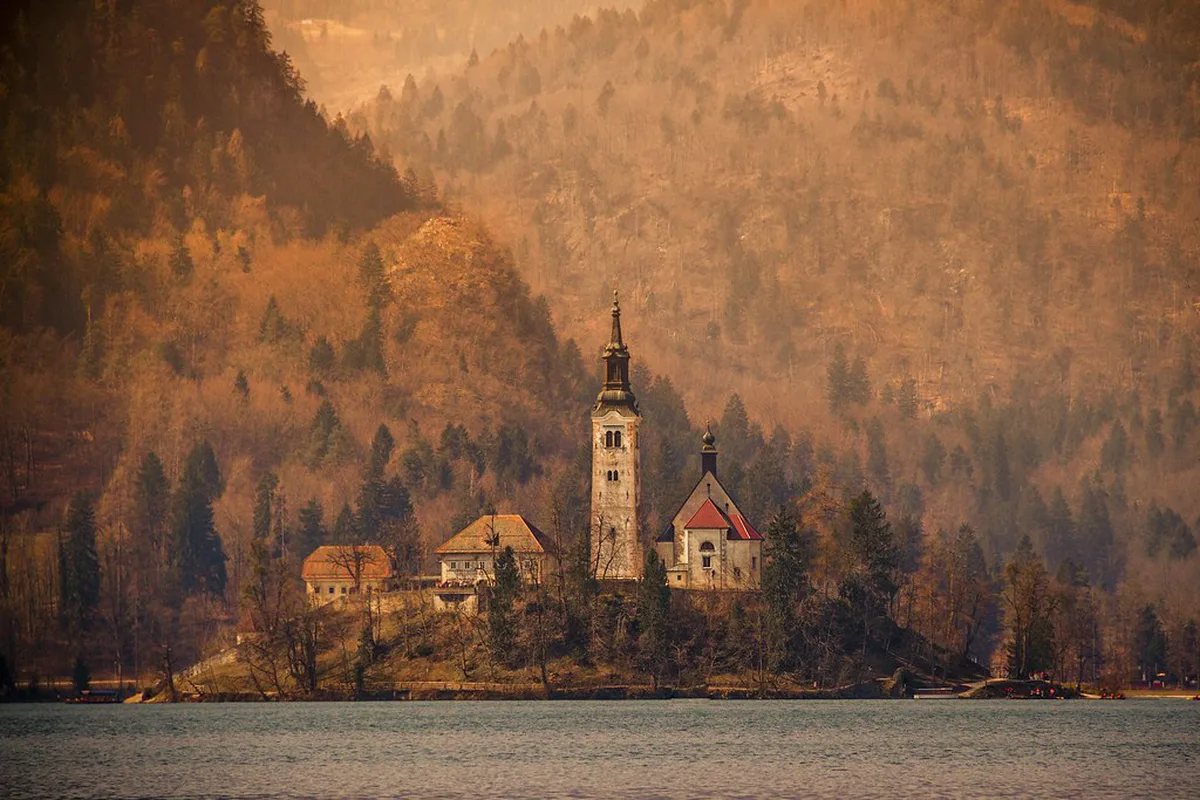
Blejski otok — Bled Island — is the centrepiece of the lake and Slovenia's only natural island. The Church of the Assumption (Cerkev Marijinega vnebovzetja) was first documented in the 11th century, though the current baroque structure dates largely from the 17th and 18th centuries; fragments of 15th-century frescoes survive inside. Reaching the church means climbing 99 stone steps from the island's landing jetty — a gentle burn that pays off at the top.
The island's most enduring tradition involves the church bell: pull the rope three times and your wish is said to come true. Newlyweds add a layer of ceremony — it is customary for the groom to carry his bride up all 99 steps without putting her down, symbolising dedication and good fortune. The island sees this played out on most summer weekends.
The traditional way to cross to the island is by pletna, a flat-bottomed wooden gondola rowed standing by a single oarsman using long oars. Pletna boats have ferried passengers to the island since at least the 17th century and the right to operate them was historically passed from father to son. The crossing takes about 15 minutes each way; boats run from several jetties around the lake from April through October. Return fare is approximately €18 per person. Strong swimmers can also reach the island independently — it is roughly 300 metres from the nearest shore.
Lake Bled Island Church guideBled Castle
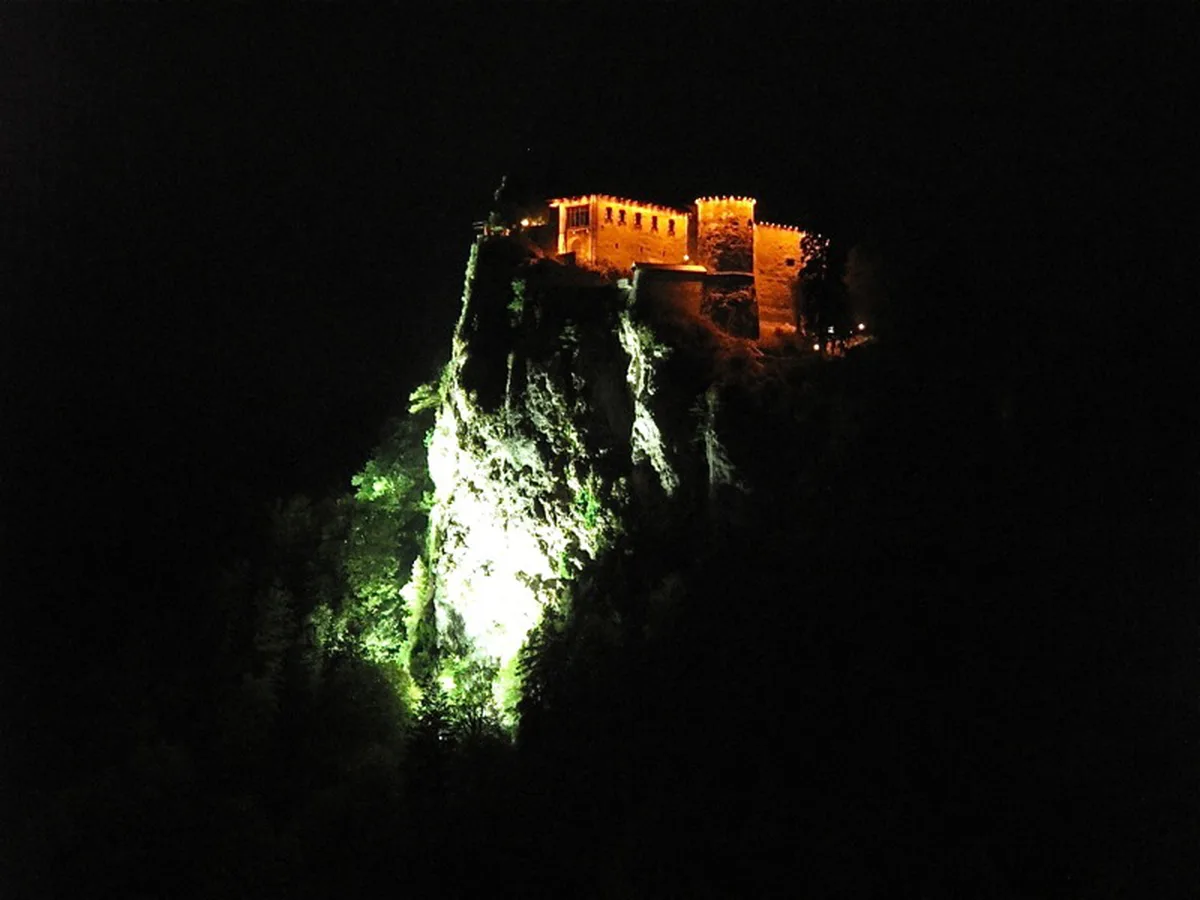
Blejski grad is the oldest castle in Slovenia, with documented occupation stretching back over a thousand years. The current structure perches on a near-vertical cliff face 130 metres above the lake's southern shore, giving it one of the most commanding positions of any castle in Central Europe. From the upper ramparts, the entire lake, the island, and the Julian Alps form a panorama that justifies the visit on its own.
Inside, the castle houses a museum covering Slovenian history from prehistoric times through the medieval period, a working wine cellar producing the estate's own wines, a printing workshop where visitors can try a replica Gutenberg press, and a smithy with periodic blacksmith demonstrations. The castle restaurant is a solid mid-range choice for lunch with lake views. Admission is approximately €15 for adults in 2026; the castle is open from 8am to 8pm in summer.
The main hiking path from Bled village takes about 20 minutes uphill; it is well-signposted from the lake promenade. Drivers can reach a small car park near the castle entrance. Allow 1.5 to 2 hours for a thorough visit.
Bled Castle guideVintgar Gorge
💡 Pro Tip: Book your Bled adventures in advance through Viator for the best deals!
Four kilometres northwest of Bled village, the Radovna River has carved a limestone canyon up to 30 metres deep through the Julian Alps foothills. Vintgar Gorge (Blejski vintgar) opened to visitors in 1893, when local enthusiasts built the first wooden walkways along the canyon walls. Today a 1.6-kilometre series of wooden boardwalks, bridges, and galleries follows the river upstream to the Šum waterfall, one of the most powerful waterfalls in Slovenia.
The gorge is visually spectacular — turquoise water, sculpted rock pools, and moss-covered walls — and accessible to most fitness levels. The walkway is narrow in places and can be very crowded in July and August; arriving before 9am or after 4pm makes a significant difference. Entry is approximately €10 per adult; the gorge is open from April through November.
Vintgar Gorge hike guideBest Viewpoints Around Lake Bled
The most celebrated view of Lake Bled — castle, island, and Alps in a single frame — is from Mala Osojnica, a hillside viewpoint about 45 minutes on foot from the village. The path begins near the Camping Bled site and climbs steeply through forest before opening onto a rocky outcrop. The effort is worthwhile at any time of day but particularly at sunrise, when the lake surface is calm and mist sometimes clings to the valley.
A second excellent viewpoint, Ojstrica, sits slightly lower on the same ridge and is reachable in about 30 minutes. It offers a slightly different angle on the island and castle. Many hikers combine both on the same ascent. For those who prefer easy access, the viewpoint above Bled Castle provides a strong perspective with minimal hiking.
Kremšnita — Bled's Famous Cream Cake
No visit to Bled is complete without kremšnita (sometimes anglicised as kremna rezina), the town's celebrated cream cake. The recipe — vanilla custard cream sandwiched between two sheets of flaky puff pastry, topped with a layer of lightly sweetened whipped cream — was created at the Park Hotel Bled in 1953 by head pastry chef Ištvan Lukačevič. The Park Hotel still serves the original version at its ground-floor café, and a slice costs around €5.
Kremšnita is available at most cafés in Bled, though dedicated visitors make a point of trying the original at the Park Hotel before sampling variations elsewhere. The cakes are made daily and are best eaten fresh; they do not travel well, which means the only way to really try one is to be there.
Lake Bled Photography Guide
Lake Bled is one of the most photographed landscapes in Europe, but getting the iconic shot — island, castle, and Alps in a single frame with good light — requires knowing where to stand and when to arrive. There are three viewpoints every serious photographer should visit.
Mala Osojnica is the benchmark viewpoint. Reached by a 45-minute hike from the western shore (trail starts near Camping Bled), it sits at approximately 756 metres and provides the definitive panoramic view of the entire lake with the island centred in the frame and the Julian Alps behind. Sunrise is the prime window: the lake surface is glassy before the morning wind picks up, mist often lingers in the valley, and the low angle of the sun lights the water from the east. Bring a tripod — even light breeze causes camera shake at the focal lengths needed to compress the scene.
Ojstrica is a slightly lower viewpoint on the same ridge, reachable in about 30 minutes from Camping Bled. It sits at around 611 metres and offers a different angle on the island — slightly more profile, slightly less of the Alps — with the boat dock and jetty visible in the lower portion of the frame. This dock reflection shot, where the still morning water mirrors the castle cliff and island, is best captured in the first 30 minutes after sunrise before foot traffic disturbs the surface.
For a more accessible elevated view, the terrace above the castle entrance provides strong images of the lake looking west, with less hiking involved. Early morning (8am, at opening) is again the best window. For shots of the castle from below, the lake promenade on the eastern shore in late afternoon light — when the western sun catches the cliff face directly — is the best position.
Bled in Winter
💡 Pro Tip: Book your Bled adventures in advance through Viator for the best deals!
Most travel content focuses on Lake Bled in summer, which means winter is significantly underrated — and genuinely special. The main crowds disappear from November through February; you will share the promenade with local dog walkers rather than tour groups, and the pletna boat queues simply do not exist. Accommodation rates in December through February drop by 30–50% compared to peak season.
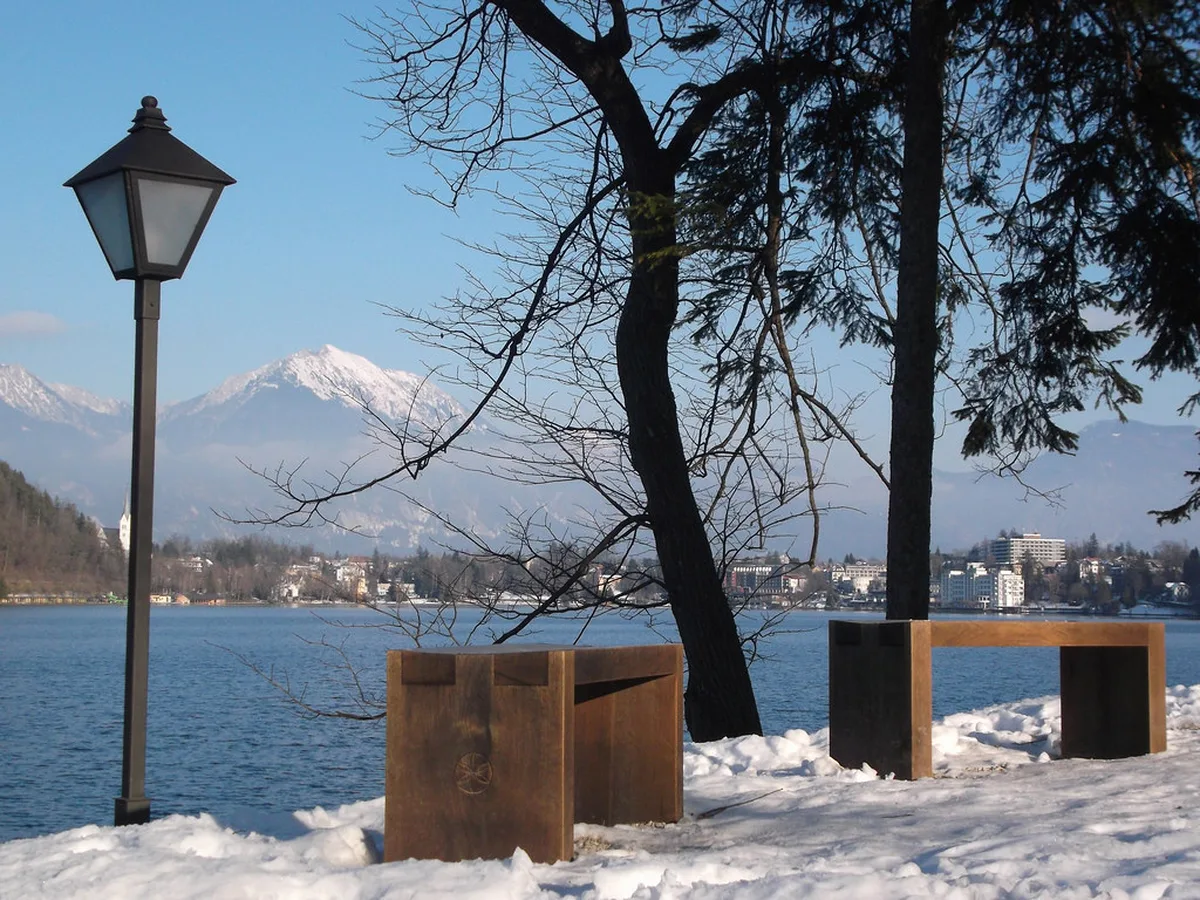
In most winters, the lake freezes — typically in January or February, though it varies year to year depending on temperatures. When it does, the frozen surface becomes the most remarkable feature of a landscape already full of remarkable features. Locals walk out across the ice to the island jetty, skate on the cleared sections of the lake (this is genuine open-air lake skating, not a maintained rink), and in particularly cold winters, the pletna boats are replaced by foot traffic across the ice. The image of the island church rising from a snow-white frozen lake, with the castle above and the white Alps behind, is one of the most striking photographs in Slovenia.
Pletna boats suspend service from December through March, which means the island is accessible only to swimmers (obviously not in winter conditions) or, when frozen, on foot across the ice. Bled Castle, Vintgar Gorge (closed December–March due to ice on the walkways), and most restaurants remain open year-round. The kremšnita at the Park Hotel is available every day of the year. If the lake does not freeze, Bled in winter still offers the full range of indoor and castle experiences in near-complete solitude — which is a good deal.
Activities on and Around the Lake
Beyond the main sights, Bled offers a range of activities centred on the lake and surrounding terrain. Kayaking and stand-up paddleboarding are popular on the lake, with rental outlets operating from the main beach and from the camping area from May through September. Rowing boats are available for self-guided tours, including as an alternative means of reaching the island.
The lakeside cycling circuit is 6 kilometres and almost entirely flat, making it accessible to all abilities. Bikes can be hired from several shops in the village. In winter, when the lake freezes — which it does in most years, typically in January or February — the surface becomes an impromptu skating rink. Paragliding from the Straža hill above Bled is available through operators in the village and offers aerial views of the lake.
things to do at Lake BledBest Time to Visit Lake Bled
Peak season runs from July through August, when daytime temperatures reach around 25°C and the lake is warm enough for swimming. These months also bring the largest crowds; the island boat jetties queue deeply and parking fills early. June and September offer near-identical weather with significantly fewer visitors and lower accommodation rates — most experienced travellers choose one of these shoulder months.
Spring (April and May) sees Vintgar Gorge reopen after winter, wildflowers on the hillside paths, and a largely empty lake. Winter brings a different kind of beauty: if the lake freezes, it creates an almost surreal scene with the snow-dusted castle above and skaters below. Pletna boats pause service from December through March, but Bled Castle and most restaurants stay open year-round.
best time to visit Lake BledDay Trips from Lake Bled
💡 Pro Tip: Book your Bled adventures in advance through Viator for the best deals!
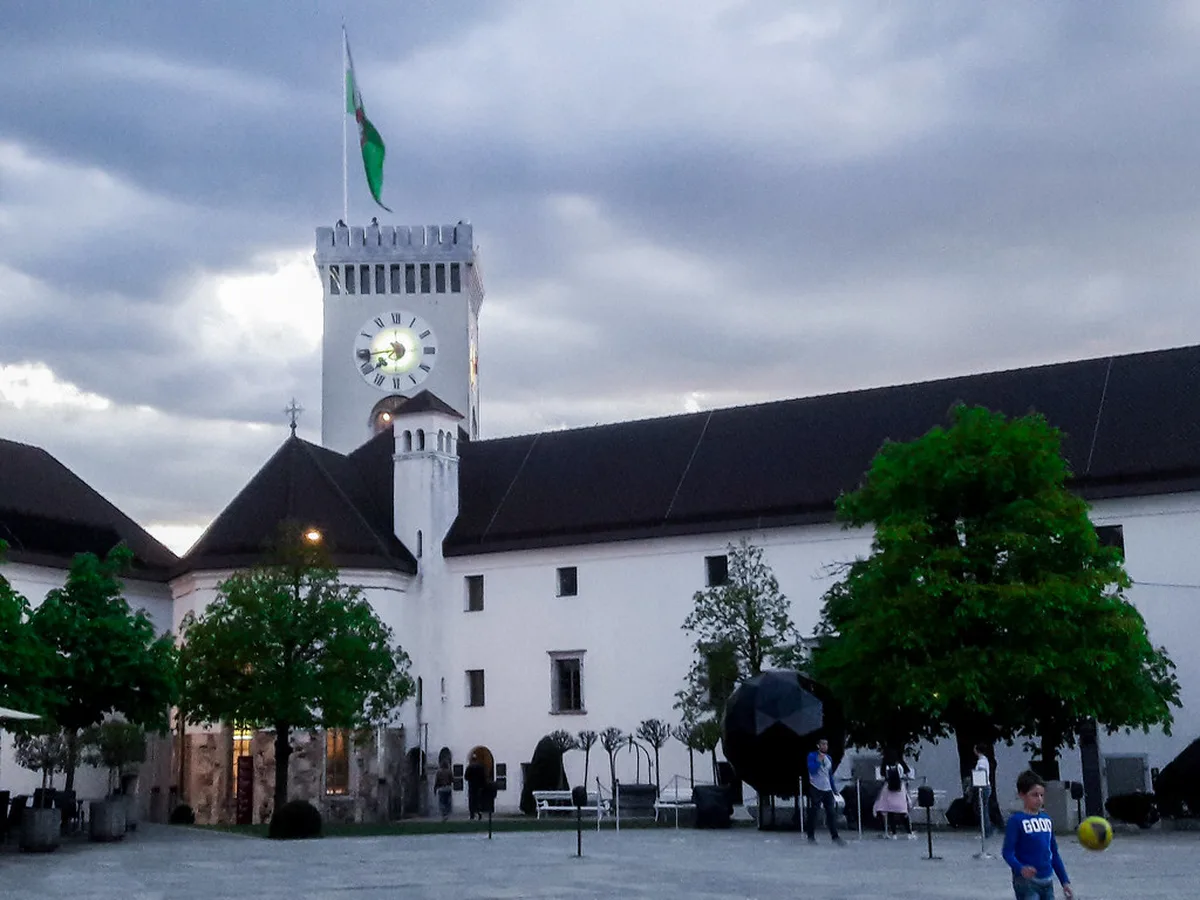
Bled's location in the Julian Alps makes it an excellent base for day trips. Ljubljana, Slovenia's compact and walkable capital, is 55 kilometres away — an hour by car or about 90 minutes by bus — and deserves a full day for its Old Town, hilltop castle, and covered market. Lake Bohinj, 26 kilometres southwest, is wilder, less visited, and better for serious hiking and open swimming. Kranjska Gora, a mountain resort town 45 kilometres northwest, gives access to the dramatic Vrsic Pass road in summer. Postojna Cave, 75 kilometres to the southwest, is one of the largest cave systems in Europe. For coastal contrast, Piran on the Adriatic is 130 kilometres from Bled — a long day but manageable with an early start.
day trips from Lake BledWhere to Stay in Lake Bled
Accommodation in Bled divides into three zones. Bled village centre puts you within walking distance of the lake, the main restaurant strip, and the boat jetties — this is the most convenient choice and commands the highest prices. Mlino, a quieter hamlet about 2 kilometres along the lake's southern shore, offers a handful of pensions and guesthouses at lower rates with a more local feel. Lesce, 4 kilometres from the lake, is the nearest point on the main rail line and suits budget travellers arriving by train.
Grand Hotel Toplice is the historic lakefront splurge option, with direct lake access and an indoor pool fed by a thermal spring. Hotel Triglav Bled sits at the mid-market level with strong lake views. Pension Bledec, just above the village, operates hostel-style dormitories alongside private rooms and is the best-value option for solo travellers and backpackers.
where to stay near Lake BledGetting to Lake Bled
The most convenient arrival point for most international visitors is Ljubljana Airport (LJU), 35 kilometres from Bled. Car rental at the airport gives the most flexibility; the drive to Bled takes under an hour. Flixbus and local GoOpti shuttles connect the airport to Bled directly. From Ljubljana city centre, Flixbus and local buses make the 55-kilometre journey in about 90 minutes.
There is no train station in Bled village. The nearest station is Lesce-Bled, 4 kilometres from the lake, served by trains from Ljubljana (1 hour 10 minutes). From Zagreb, the drive to Bled is approximately 2.5 hours via the Karavanke tunnel. Day-tripper buses from Zagreb also operate in summer.
Getting Around Lake Bled
The lake itself is compact — 2 kilometres long and 1.4 kilometres wide — and the village sits along its northeastern shore. Most visitors cover the main lakeside area on foot. The 6-kilometre lakeside circuit is flat and walkable in about 90 minutes at a leisurely pace; the same circuit by bicycle takes 30–45 minutes. Bike rentals are available throughout the village from approximately €15 per day.
For Vintgar Gorge (4km northwest), the options are walking (50–60 min), cycling (20 min), or the tourist shuttle bus (July–August only). For Bled Castle, a 20-minute uphill path from the village is the most practical approach; drivers can use the small car park near the castle entrance. The Mala Osojnica and Ojstrica viewpoints are accessible only on foot from the lake's western shore.
Taxis and rideshares are available for wider-range transfers — the nearest train station (Lesce-Bled, 4km away) is best reached by taxi or bus rather than on foot. Car hire is worthwhile if you plan day trips to Ljubljana, Kranjska Gora, Postojna Cave, or Piran. Slovenia's motorway vignette system requires a weekly sticker (approximately €16 in 2026) for motorway access, available at petrol stations near the border and throughout the country.
Food and Drink in Bled
💡 Pro Tip: Book your Bled adventures in advance through Viator for the best deals!
Beyond kremšnita, Bled has a solid range of restaurants serving Slovenian and international cuisine. Local specialities worth seeking out include: potica (a rolled nut pastry, the traditional Slovenian festive bread), Carniolian sausage (kranjska klobasa, eaten cold with mustard and horseradish), and buckwheat dishes reflecting the alpine farming heritage of the Julian Alps region. The Park Hotel's lakeside café is the benchmark for kremšnita; Kavarna Park is an adjacent option for lighter meals and coffee with a lake view.
For budget eating, the supermarket in the village centre (open daily) stocks local bread, cheese, and produce. The outdoor tables on the main shopping street fill with local cafés that serve coffee and light meals at reasonable prices throughout the day. The castle restaurant provides a mid-range dinner option with a view, though booking is advised for summer evenings.
Practical Information for 2026
- Currency: Euro (Slovenia joined the Eurozone in 2007)
- Language: Slovenian; English is widely spoken in Bled
- Pletna boats: April–October, approximately €18 return, depart from multiple jetties
- Bled Castle: Open daily 8am–8pm summer; ~€15 adult admission
- Vintgar Gorge: Open April–November; ~€10 adult admission
- Parking: Paid parking throughout the village; fills early July–August
- Motorway vignette: Required for Slovenian motorways; weekly sticker ~€16, available at fuel stations
- Crowds: Worst 10am–3pm July–August; visit main sights early or late
- Emergency: 112 for all emergency services in Slovenia