Lake Bled is worth visiting in any season. What changes is the crowd density, the water temperature, the cost of accommodation, and the activities available. The best time to visit depends on what you are looking for: peak summer warmth, shoulder-season peace, spring wildflowers, or the magical spectacle of the lake in winter snow. This guide breaks down each month to help you choose.
Quick Summary: When to Visit Lake Bled
- Best overall: June and September — perfect weather, manageable crowds, lower prices
- Best for swimming: Late July through August — water at 22–24°C
- Best for photography: October–November (autumn colours) or January–February (snow and potential lake freeze)
- Best for hiking: June through September — all trails open, Vintgar Gorge open
- Avoid if crowds bother you: Late July and August (peak season)
- Best value: October–November or March–May
Spring at Lake Bled: April and May
Spring is one of the most underrated times to visit Lake Bled. By April, the Julian Alps peaks are still snow-capped, but the valley floor is green and the first wildflowers appear on the hillside trails. Vintgar Gorge reopens in April after the winter closure, and the Šum waterfall is at its most powerful from snowmelt. Pletna boats resume service to Bled Island from April.
April temperatures average 10–15°C in the daytime, with cool evenings. May is warmer (15–20°C) and can see genuine warmth on clear days. Crowds are minimal in April; May is busier with school groups but still far quieter than summer. Accommodation rates are at their low point for the warm season.
The lake water in April and May is too cold for swimming (8–14°C) — the lake is glacier-fed and takes time to warm. If swimming is important to your visit, wait until June.
Highlights: April and May
- Vintgar Gorge at maximum water flow
- Wildflowers on Mala Osojnica and valley paths
- Snow-capped Alps backdrop while valley is warm and green
- Pletna boats reopen (April)
- Very few visitors at main sights
Early Summer: June
June is arguably the single best month to visit Lake Bled. Temperatures reach 20–24°C in the daytime; the lake warms to swimming temperature (around 18–20°C by mid-June); all attractions are open at full capacity; and visitor numbers are noticeably lower than July and August. Accommodation rates sit below peak-season prices.
The days are long — sunset after 9pm at the summer solstice — giving ample time for morning viewpoint hikes, afternoon lake activities, and evening restaurant meals without feeling rushed. The light is excellent for photography throughout the day. This is the month experienced travellers recommend most consistently.
One consideration: the first two weeks of June can still see rain from late spring weather systems. The third and fourth weeks of June are generally settled and warm. If your visit is flexible, the second half of June is slightly more reliable than the first.
Peak Season: July and August
💡 Pro Tip: Book your Bled adventures in advance through Viator for the best deals!
July and August are the warmest months at Lake Bled. Daytime temperatures average 24–26°C; the lake surface reaches 22–24°C — the warmest swimming conditions of the year. These are also the busiest months by a significant margin. The pletna boat jetties queue from mid-morning; parking fills by 9am on weekends; the Vintgar Gorge walkway becomes congested between 10am and 3pm.
Despite the crowds, peak season has genuine advantages. Swimming conditions are best. All activities — kayaking, SUP, paragliding, guided hikes — operate at maximum frequency. Restaurants and cafés are fully staffed. The Bled Festival brings classical music performances to the lakeside. Evening light on the lake, when day-trip crowds have gone, is beautiful.
The practical strategy for July and August is timing: visit the island and castle before 9am or after 4pm, do Vintgar Gorge at opening time, and plan your midday activities around something that isn't queue-dependent (cycling the lake circuit, swimming, kremšnita at the Park Hotel).
July–August average conditions
- Air temperature: 24–28°C peak day; 16–18°C overnight
- Lake temperature: 22–24°C at peak
- Rainfall: Low — July and August are the driest months
- Crowds: Maximum at all sights; parking fills early
- Accommodation: Most expensive; book 2–3 months ahead
September: The Sweet Spot
September rivals June as the best month to visit and has one advantage June cannot match: the lake is warm from the summer heat buildup, reaching 20–22°C in early September. The crowds thin sharply after the first week of September as European school holidays end. Accommodation prices drop immediately. The Julian Alps begin their autumn colour change in the higher elevations.
Weather in September is generally settled and warm (18–22°C) with a higher chance of clear days than at any other time of year — the late summer high-pressure systems that established themselves in August often persist well into September. By late September, evening temperatures drop to 12–15°C and daytime temperatures fall below 20°C; bring a layer for evenings.
Vintgar Gorge remains open through November; pletna boats continue through October. In September, you have all the attractions of summer with none of the crowds.
Autumn at Lake Bled: October and November
October and November bring the Julian Alps autumn foliage — beech, oak, and maple turning gold and red on the slopes above the lake. The contrast between the bare blue lake, the autumn-coloured hillsides, the evergreen pines, and the white peaks above creates a colour palette unlike any other time of year. Photographers particularly prize this period.
October temperatures range from 10–16°C; November drops to 5–10°C. Swimming is too cold by October. The Vintgar Gorge walkway stays open through November; pletna boats cease service in late October. Bled Castle and its restaurant remain open year-round. Crowds are minimal; accommodation is at lowest prices.
One consideration: autumn can bring more overcast days and rain than the summer months. A trip in late September captures some autumn colour while carrying less weather risk than October or November.
Winter at Lake Bled: December through March
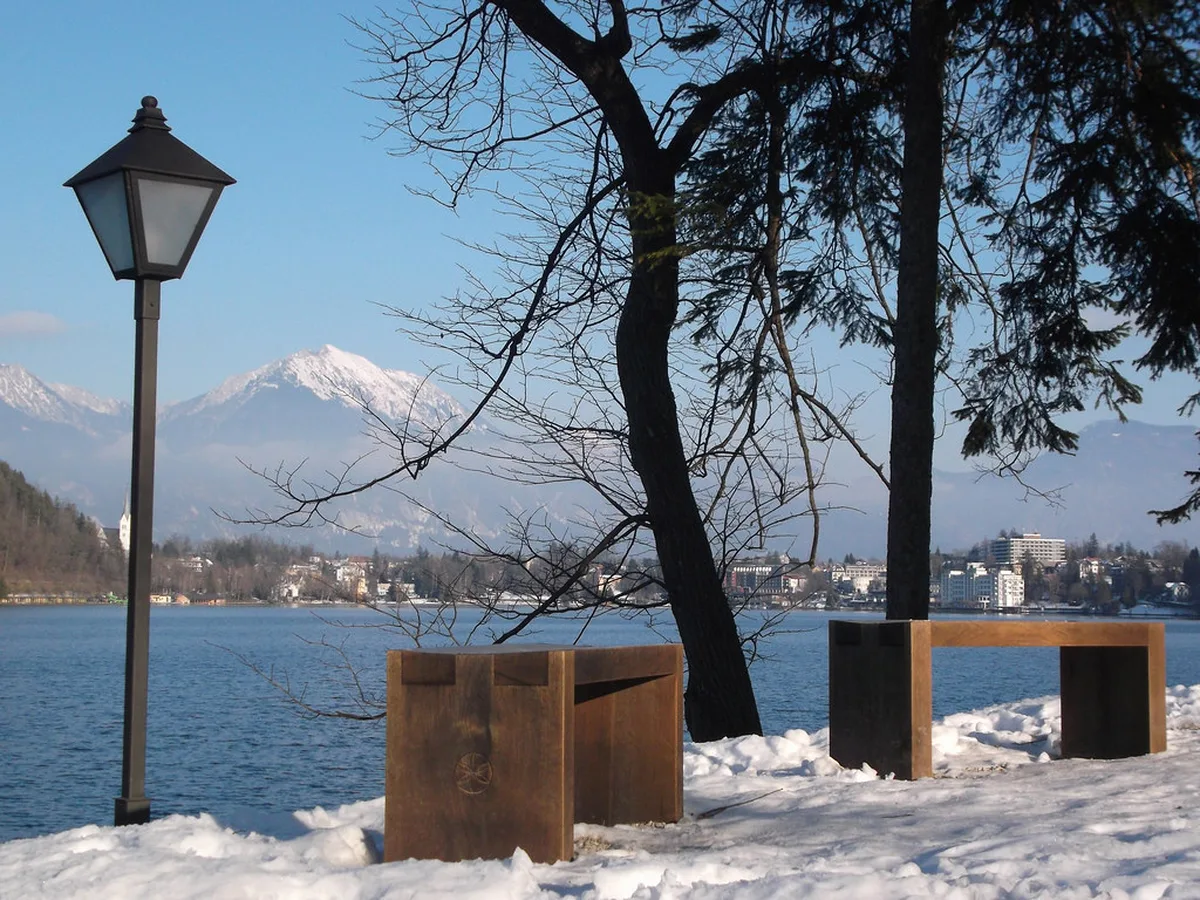
Winter in Bled is underappreciated. The lake in a snow-covered landscape — castle above, island in the middle distance, Alps white to the skyline — is genuinely magical in a way that the summer scene is not. Most tourists avoid winter, which means you can stand at the Mala Osojnica viewpoint entirely alone at sunrise, looking at a scene that looks like a painting.
Lake Bled in Winter
In most years, Lake Bled freezes over for at least some part of winter, typically in January or February when temperatures stay below -5°C for 10 or more consecutive nights. When the ice is thick enough (at least 10cm), the lake is open for ice skating. Watching ice skaters on a glacial alpine lake with an island church and a clifftop castle is a singular experience.
The lake does not freeze every winter, and the freeze dates are unpredictable. If seeing the frozen lake is important, build flexibility into your itinerary and follow the Bled tourist board's social media for ice condition updates.
Pletna boats suspend service from December through March; the island is inaccessible to visitors except by rowboat or swimming (inadvisable in those temperatures). Bled Castle opens from 8am to 6pm year-round. Vintgar Gorge closes December through March due to ice on the walkway. Most restaurants and cafés in Bled village stay open year-round.
Bled Christmas Market
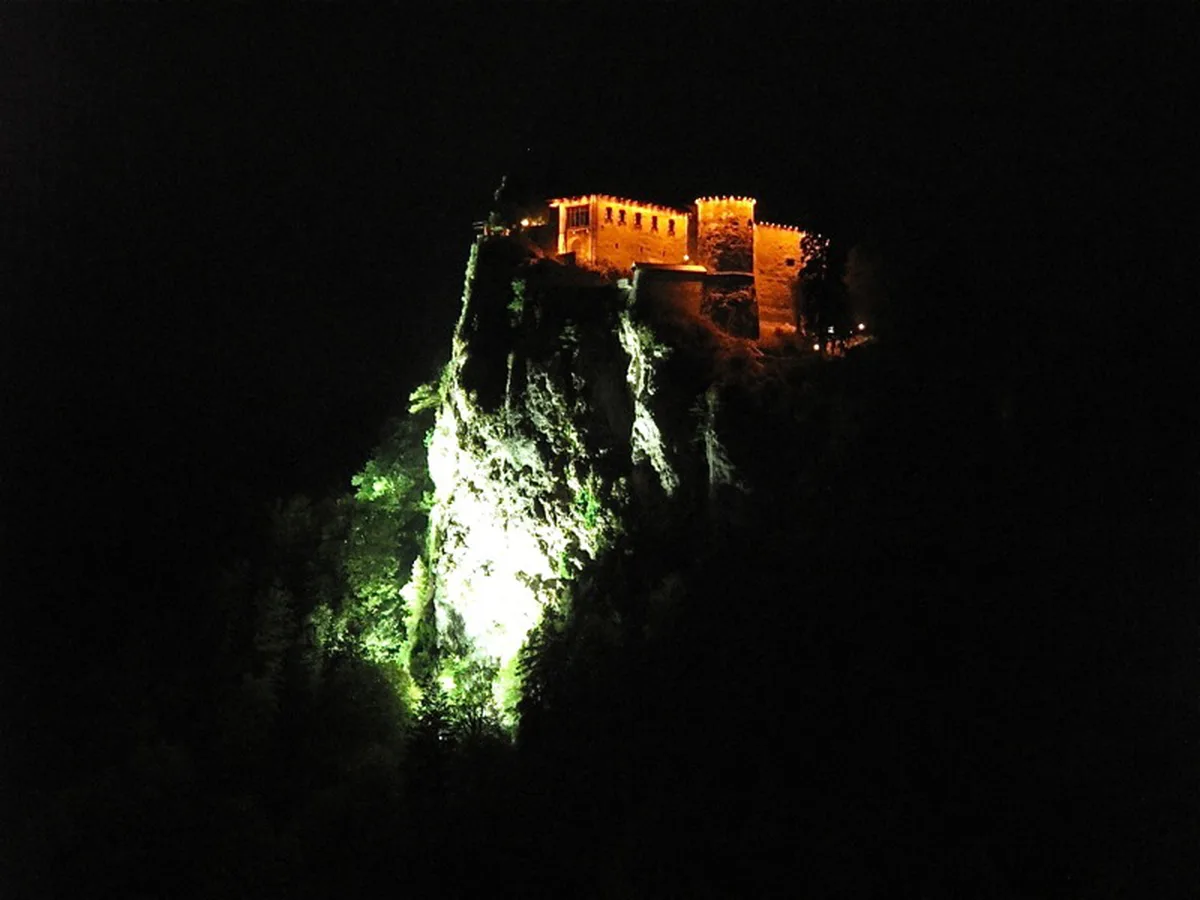
The Bled Christmas market runs through December in the village centre. It is a modest-scale event by the standards of Austrian and German Christmas markets but pleasant — local food stalls, mulled wine (kuhano vino), and an ice skating rink. The market's main draw is the setting: a lakeside mountain village lit up in winter darkness.
December and January daytime temperatures range from -2°C to 5°C. Dress for alpine winter conditions: thermal layers, waterproof jacket, warm boots. Snow is common from December through February; January and February are the coldest months.
Month-by-Month Summary
💡 Pro Tip: Book your Bled adventures in advance through Viator for the best deals!
- January: Cold (-2 to 4°C), potential lake freeze, Christmas market over, near-empty, pletna closed. Best for atmospheric winter photography.
- February: Coldest month; best chance of frozen lake and ice skating; very few tourists; winter sports at nearby Kranjska Gora ski resort.
- March: Still cold; snow melting; Vintgar still closed; lake begins to defrost; pleasant for quiet walks. Pletna boats restart late March/early April.
- April: Vintgar and pletna boats reopen; wildflowers; snowmelt waterfalls at full power; 10–15°C; small crowds; good value.
- May: Warming (15–20°C); school groups visit; greener than April; lake still cold for swimming but pleasant for all other activities.
- June: Best month overall — 20–24°C, lake warming, all attractions open, manageable crowds, good prices.
- July: Peak season begins; 25°C+; warmest swimming; most crowded; most expensive. Go early or late for each attraction.
- August: Peak season; same as July but even busier. Advance booking essential. Best swimming conditions.
- September: Second-best month; summer warmth without summer crowds; lake still warm early September; prices fall after first week.
- October: Autumn colours; cool (10–16°C); very quiet; pletna boats stop; Vintgar still open through October.
- November: Quiet; Vintgar closes; 5–10°C; accommodation cheapest. Good for photographers with the right gear.
- December: Christmas market; potential early frost; pletna closed; atmospheric village evenings.