Paxos Greece: The Complete Travel Guide for 2026
Paxos — also called Paxi — is the kind of island that makes you wonder why everyone isn't talking about it. Just 25 square kilometres in size, 13 kilometres south of Corfu, it has fewer than 2,300 permanent residents. There is no airport, no package tourism, and no sprawling resort hotels. What it does have is three of the most characterful villages in the Ionian, a coastline riddled with extraordinary sea caves, and a narrow channel of sea separating it from Antipaxos — a tiny uninhabited island whose beaches rank among the most beautiful in all of Greece.
This guide covers everything you need to plan a trip to Paxos in 2026: how to get here, where to stay, what to do, when to come, and the day trips worth making from this compact but endlessly rewarding island.
Why Visit Paxos
Most Greek islands sit on a spectrum between authentically local and tourism-saturated. Paxos occupies a rare position: it attracts visitors — and has done for decades — but has never tipped into the overdeveloped chaos that defines some of its Ionian neighbours in peak season. Its small size is partly responsible. There is simply not enough flat land to build the infrastructure that mass tourism requires. The interior is a dense patchwork of ancient olive groves, some of the trees centuries old, producing an olive oil that locals will tell you — with complete justification — is among the finest in Greece.
The island also has a social texture that larger destinations lose quickly. Fishermen still work the harbour at Gaios. The evening volta — that unhurried stroll through town that functions as Greece's original social network — happens in all three villages. Taverna owners know their regulars. Returning visitors are welcomed back by name. None of this is performance; it is simply what the island is.
The Three Villages of Paxos
Gaios
Gaios is the capital and the main ferry port, which makes it most visitors' first experience of the island. The harbour is sheltered by two small islands — Agios Nikolaos, which has a Venetian fortress, and the tiny, densely vegetated Panagia — giving the waterfront a theatrical, almost lagoon-like quality. The main square backs directly onto the water and is lined with cafes, tavernas, and a handful of small shops selling local olive oil and pottery. Gaios has the most amenities of the three villages: an ATM, a small supermarket, a pharmacy, and most of the island's tour and boat-hire operators. It is the practical hub but also, particularly in the evenings, one of the most atmospheric spots on the island.
Loggos
Loggos sits on the east coast, roughly midway between Gaios and Lakka, and is the quietest of the three villages. A tiny fishing harbour surrounded by pastel-coloured houses, a handful of excellent tavernas, and very little else — which is exactly its appeal. The walk from Loggos south through the olive groves toward Gaios is one of the island's best half-day routes: shaded, unhurried, and almost entirely free of traffic. Loggos is the village most often chosen by couples who want to slow down and find a rhythm the island naturally provides.
Lakka
Lakka occupies a sheltered bay at the northern tip of the island and is the spiritual home of Paxos's sailing community. The bay is wide and shallow — safe for children to wade and swim — and fills with yachts from May through September. The surrounding hills offer short walks with disproportionately good views, and the lighthouse above the village is one of the island's most photographed landmarks. Lakka has a handful of tavernas, a small beach, and an easy-going atmosphere that feels, if anything, even more unhurried than Loggos.
Paxos Beaches
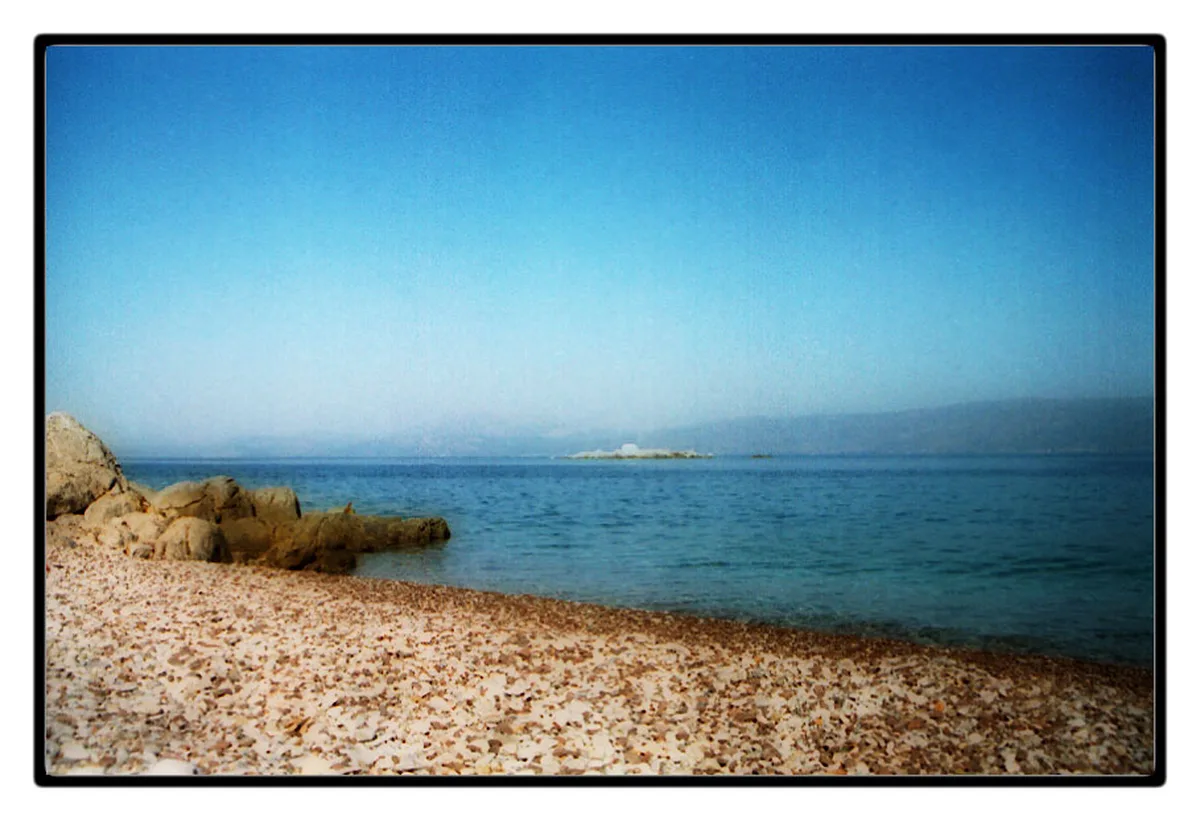
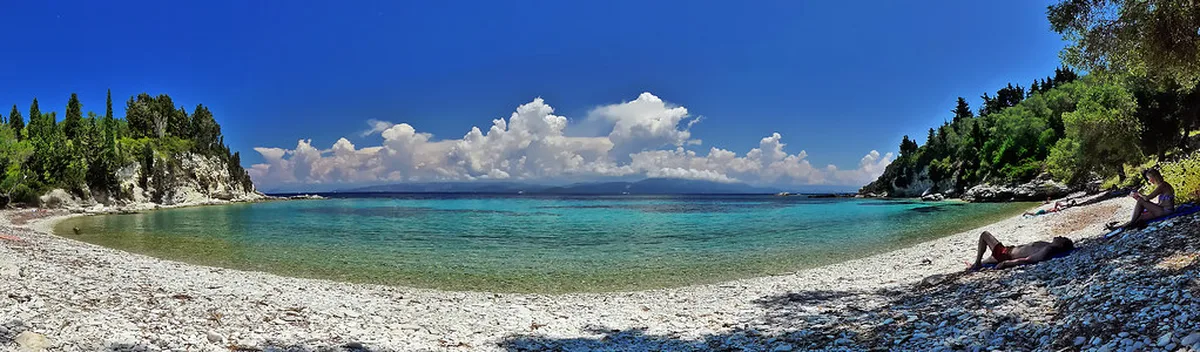
Paxos is not primarily a beach island — the terrain is rocky and the best swimming spots are reached by boat — but there are several worthwhile options. Mongonissi, in the south, is the most accessible sandy beach and has a beach bar. Harami and Levrechio on the east coast are quiet pebble beaches reachable by path. Lakka bay itself offers calm, shallow water that is excellent for families. The Erimitis cliffs on the west coast produce dramatic scenery and a popular sunset viewpoint, though swimming here is for confident open-water swimmers only.
For the best beaches in the vicinity, however, you need to go to Antipaxos. The 15-minute boat crossing to Voutoumi and Vrika is one of the most worthwhile short trips in the Ionian.
Antipaxos island guideThe Sea Caves of Paxos
🎯 Insider Tip: Discover the best Paxos experiences with Viator Tours!
The western coastline of Paxos is all cliffs — and those cliffs are full of caves. The most impressive are accessible only by boat, which means taking an organised tour from Gaios or hiring your own vessel. The main caves visited on most tours include Hypapanti, a large sea cave with a small chapel carved into the rock; Kastanitha, notable for its vivid blue-green water; and the Ortholithos sea stack, a free-standing pillar of rock that frames a natural arch. Tours typically run in the morning, when the light angles into the cave mouths most effectively. A standard group boat tour costs around €35–50 per person; hiring a small speedboat independently gives you more flexibility but requires some sea confidence.
Paxos sea caves boat tripGetting to Paxos
There is no airport on Paxos. The standard route is to fly into Corfu Airport (CFU) — served from most major European cities year-round, with expanded routes in summer — and take a ferry south to Gaios. Kamelia Lines and Captain Spyros operate the Corfu–Paxos crossing; the journey takes around 90 minutes and costs approximately €20–25 each way. Ferries run several times daily in summer, with reduced frequency in spring and autumn.
From the Greek mainland, Igoumenitsa (the port town directly east of Paxos) offers a faster crossing of around one hour. This is a useful option if you are driving south from northern Greece or arriving by ferry from Italy into Igoumenitsa. Booking ferry tickets in advance is strongly recommended for July and August.
getting to PaxosGetting Around Paxos
The island is small enough that a scooter or small car covers it comfortably. Several rental outfits in Gaios offer both; daily rates for a scooter run around €25–35 in season. The main road connects Gaios to Lakka via Loggos. There is also a local bus service, but it runs infrequently and is mainly used by islanders. For the sea caves and Antipaxos, water transport is the only option; taxis and water taxis operate from the Gaios quay.
Things to Do on Paxos
🎯 Insider Tip: Discover the best Paxos experiences with Viator Tours!
The island's activity list sounds modest on paper but expands considerably once you are here. Boat trips to the sea caves and Antipaxos are the headline experiences. The walking trails through the olive groves — particularly the cross-island path from Gaios to Loggos to Lakka — are underrated and beautiful. Kayaking the east coast gives access to small coves and sea-level perspectives of the cliffs that boat tours miss. Local food is a genuine reason to visit: the olive oil is outstanding, the fish is fresh, and tavernas in all three villages produce simple, honest cooking at prices that feel almost anachronistic compared to Corfu Town.
things to do on PaxosDay Trips from Paxos
The most obvious day trip is Antipaxos — so close and so beautiful that it justifies a dedicated half-day even from an already short visit. Beyond Antipaxos, Corfu Town is reachable in 90 minutes by ferry and makes an excellent day out: the Old Town is a UNESCO World Heritage site with Venetian architecture, Byzantine frescoes, and a lively esplanade. Parga, on the mainland coast, is about an hour by ferry and offers a small castle, a picturesque harbour, and the wide sandy arc of Valtos Beach.
day trips from PaxosWhen to Visit Paxos
The ideal months are June, early July, and September. June brings warm but not extreme temperatures, long days, and a manageable number of visitors. September is arguably the best single month — the sea is at its warmest, crowds thin noticeably after mid-August, and tavernas are at their most relaxed. July and August are hot and busy; Paxos is small enough that peak season crowds feel more concentrated than on larger islands. May is pleasant for walkers and those who want total quiet, though some businesses do not open until June. Most things on the island close between October and April.
best time to visit PaxosWhere to Stay on Paxos
Paxos does not have large hotels. Accommodation is dominated by villa and apartment rentals, with a handful of small guesthouses in each village. This structure means it skews toward a mid-range to luxury market — budget travellers have limited options. Gaios offers the most convenience; Loggos the most tranquility; Lakka the best setting for families with young children. Booking well ahead is essential for any visit between June and September; properties in this market fill months in advance.
where to stay on PaxosFood and Drink on Paxos
Paxos punches above its weight on food. Local olive oil appears on every table — buy a bottle to take home from producers or shops in Gaios. Fish is the obvious focus: grilled, simply seasoned, served with local greens and lemon. Sofrito, a slow-cooked beef dish in white wine and garlic that is the Ionian speciality, appears on some menus. The tavernas in Loggos have a particularly strong reputation; Vasilis and the tables around the waterfront are worth seeking out. For a more formal evening, Erimitis restaurant on the western cliffs offers dramatic sunset views alongside its menu.
In Lakka, a cold Mythos or local wine at a waterfront cafe while watching yachts negotiate the entrance to the bay is as good an evening as the island offers.
Practical Information for Paxos in 2026
🎯 Insider Tip: Discover the best Paxos experiences with Viator Tours!
Currency is the euro. There is one ATM in Gaios; bring cash as a backup, as card acceptance is limited at smaller businesses. Mobile coverage is adequate across the island. There are no hospitals on Paxos — the nearest is in Corfu — so travel insurance with medical repatriation cover is sensible. Greek is the official language but English is spoken widely in tourist-facing businesses. The island operates on a distinctly relaxed schedule: do not expect things to happen quickly, and do not interpret this as poor service.
Paxos Villages in Depth
Gaios: The Harbour Quarter
Gaios rewards slow exploration. The harbour square — Plateia Agios Nikolaos — is the social heart of the island, where the morning coffee crowd gives way to afternoon tourists and an evening volta that runs until well past midnight in high season. The Venetian fortress on the island of Agios Nikolaos in the harbour dates from the 16th century and was built to guard the southern approaches to Corfu. It is not formally open to the public but is visible from every angle on the waterfront and gives the harbour its defining silhouette. Behind the main square, a network of narrow lanes holds the island's practical infrastructure: the pharmacy, the two small supermarkets, the post office, and a handful of shops selling local olive oil, honey, and ceramics. The weekly market, held on Saturday mornings, brings a handful of additional stalls selling local produce. Gaios after dark has genuine atmosphere — tavernas spill out onto the quay, and the reflection of the harbour lights in the lagoon-like water is one of the island's consistently beautiful evening images.
Loggos: The Taverna Village
Loggos has perhaps six or seven tables on the waterfront at any given restaurant, and most evenings in July and August those tables are occupied by visitors who have made the short drive from Gaios or Lakka specifically to eat here. The reason is simple: the cooking in Loggos is the best on the island. Vasilis, the most consistently recommended restaurant, serves grilled whole fish caught the same morning, slow-cooked lamb dishes, and a Greek salad that puts the limp tourist versions on Corfu to shame. A competing favourite, the Carnayo restaurant at the harbour's edge, has built a loyal following for its seafood pasta and fresh prawns. Tables at both fill quickly after 8pm in high season — arrive early or book. The harbour itself is tiny: a handful of fishing boats, a concrete quay, and a slipway. Swimming off the rocks at the southern end is good in calm weather. The village has no ATM and minimal services beyond the tavernas, a small bar, and a summer minimarket. It is not inconvenient — it is deliberately, pleasurably limited.
Lakka: Bay for Families and Sailors
Lakka's bay is one of the most naturally sheltered anchorages in the southern Ionian, which is why the sailing community treats it as a home port. In peak season the bay holds dozens of yachts at anchor — a backdrop that gives even routine evenings on the taverna terrace a postcard quality. For families with young children, Lakka's beach is the single best swimming location on the island: the water is shallow for 30 to 40 metres from shore, the bottom is sand and fine pebble (no sharp rocks), and the bay's enclosed geometry means the water is almost always calm. A small beach café operates in season on the western side of the bay. The lighthouse above the village is a 20-minute walk up a well-marked path and the views from the top — across the open Ionian north toward Corfu, and back across the olive-covered interior — are the best aerial perspective of the island available without a drone. The village itself is small but has two tavernas, a good small bar, and a summer minimarket. The evening pace is genuinely slow and sociable, anchored by the yacht community's habit of gathering at the waterfront for sundowners.
Paxos Food and Drink
Food on Paxos is a genuine reason to visit rather than an afterthought. The island produces some of the finest ingredients in the Ionian, and the taverna culture that has evolved here — unhurried, ingredient-led, unpretentious — does them justice.
Paxiot Olive Oil
The island's 300,000 olive trees produce an extra virgin oil with a distinctive character: medium fruitiness, low acidity, with a clean, slightly peppery finish that reflects both the age of the trees (many are 300 to 500 years old) and the mineral content of the island's limestone soil. The oil is predominantly produced from the Lianolia variety, the dominant Greek Ionian cultivar. It is sold in shops in Gaios and directly from several small producers around the island. A one-litre bottle of good Paxiot oil costs €8–15 depending on source; it is one of the most worthwhile souvenirs the island offers and travels home easily in checked luggage.
Fresh Fish and Seafood
Fish on Paxos is genuinely local and genuinely fresh. The fishermen who work the Gaios harbour and the waters around the island supply the better tavernas directly. Grilled whole sea bream (tsipoura) and sea bass (lavraki) are the staples; both are typically served simply — grilled over charcoal, dressed with olive oil and lemon, accompanied by boiled greens (horta) and a Greek salad. Octopus, dried and then grilled, is the default mezedes starter at waterfront tavernas. The better fish tavernas in Loggos will tell you what came in that morning rather than presenting a fixed printed menu.
Theotokis Wine
Antipaxos, the tiny uninhabited island three kilometres south of Paxos, has a small wine-producing tradition that spills over into Paxos itself. The Theotokis family produces a white wine from Savatiano grapes grown on the islands that is served — often in unlabelled carafes — in several Paxos tavernas. It is a simple, crisp, dry white well suited to fish dishes and the heat of a Greek summer afternoon. You will not find it in wine shops outside the islands; drinking it on a Loggos waterfront table is more or less the only way to experience it. Ask your waiter specifically — it is not always listed.
Must-Try Mezedes
The standard mezedes spread on Paxos follows the broader Ionian tradition but with local emphases. Taramosalata (fish roe dip), tzatziki, and hummus are the baseline. Worth seeking out specifically: grilled local octopus with capers and red onion; saganaki (fried halloumi-style cheese, often served with honey and black pepper at better establishments); fresh bread with the island's own olive oil and sea salt as a simple starter. Sofrito — the Corfu and Ionian signature dish of slow-cooked beef in white wine, garlic, and parsley — appears on some Paxos menus and is worth ordering when it does. It is a dish that benefits from long, slow cooking and in a good taverna is one of the better things you will eat on the island.
Paxos vs Other Ionian Islands
The Ionian islands are often grouped together but they are meaningfully different experiences. Understanding where Paxos sits in that spectrum helps set expectations before you arrive.
Paxos vs Corfu: Smaller and Quieter in Every Respect
Corfu is approximately 26 times larger than Paxos in area and has a population of around 100,000. It has an international airport, package tour resorts, a Club 18-30 contingent in certain coastal strips, and the full infrastructure of a major tourist island. It also has extraordinary things that Paxos lacks: the UNESCO-listed Old Town, Paleokastritsa bay, the mountain villages of the interior. Paxos has none of Corfu's scale or variety — but it also has none of Corfu's noise, traffic, or commercialism. They complement rather than substitute for each other, which is why the most satisfying version of the trip for many visitors combines several nights on Paxos with a day trip into Corfu Town rather than choosing one over the other.
Paxos vs Lefkada: No Beaches but More Authentic
Lefkada is the Ionian island most famous for its beaches — Porto Katsiki and Egremni, in particular, rank among the finest in Greece. In that specific comparison, Paxos does not compete: its own beaches are pleasant but unremarkable, and the real beach experience near Paxos is on Antipaxos. What Paxos offers over Lefkada is a more genuinely unspoilt character. Lefkada is connected to the mainland by a causeway, which makes it easy to reach and consequently more developed with resort infrastructure, beach clubs, and tourist retail. Paxos is accessible only by boat, which filters the visitor type and has kept the island more authentically itself.
Paxos vs Kefalonia: No Resorts but More Personal
Kefalonia (Cephalonia) is a dramatically beautiful island — Myrtos Beach is one of the iconic images of Greece, and the island has significant natural and historical depth. It has also developed a substantial resort infrastructure, particularly around Argostoli and the package-tour beaches of the east coast. Kefalonia suits those who want options: multiple beaches, organised activities, a range of restaurants from taverna to upscale. Paxos suits those who want fewer options done better. There is no Myrtos Beach on Paxos, but there is a quality of daily life — the Loggos waterfront at 9pm, the olive groves in the morning, the Antipaxos day trip — that Kefalonia's larger scale and more developed tourism industry cannot quite replicate.
Frequently Asked Questions About Paxos
🎯 Insider Tip: Discover the best Paxos experiences with Viator Tours!
Is Paxos worth visiting for only two or three nights?
Yes — Paxos is compact enough that two nights gives you a genuine experience: the Antipaxos day trip, the sea caves, the villages, a good dinner in Loggos. Three nights is the sweet spot. A week on Paxos requires a slower pace, which is its own pleasure but not universally appealing.
Can you visit Paxos without a car?
You can manage without a car, particularly if you base yourself in Gaios and use water taxis for Antipaxos. But to move freely between the three villages and reach more remote beaches and viewpoints, a scooter or small hire car gives you significantly more of the island. A scooter is €25–35 per day; a small car €50–80. Both are available from rental outfits on the Gaios waterfront.
Is Paxos suitable for non-swimmers?
Yes. The island's pleasures are not exclusively aquatic — walking the olive grove trails, exploring the villages, eating at the tavernas, watching the boats in Lakka bay. Those who do swim will get more from the Antipaxos day trip, but the island is entirely worthwhile without it.
Why Paxos Remains Special
The thing that makes Paxos work is the thing that makes it sound unimpressive on a features list. It has no waterparks, no cocktail beach clubs, no all-inclusive resorts. It has three villages, some remarkable geology, extraordinary neighbouring beaches, and an olive oil tradition that predates the Ottoman Empire. For visitors who want to experience an Ionian island at its own pace — unhurried, honest, and genuinely beautiful — Paxos in 2026 remains one of the best answers Greece can offer.
Frequently Asked Questions
How do you get to Paxos from the UK?
Fly to Corfu Airport (CFU) from most UK airports, then take a 90-minute ferry to Paxos operated by Kamelia Lines. The ferry costs around €20–25 each way and departs from Corfu's main port (not the Old Port or cruise terminal — confirm when booking). There are no direct flights to Paxos as the island has no airport.
How big is Paxos?
Paxos covers approximately 25 square kilometres and has a permanent population of around 2,300. It is one of the smallest inhabited islands in Greece and can be driven from end to end in under 20 minutes.
What is the best time to visit Paxos?
June and September are the best months: warm weather, calm seas, and manageable crowds. July and August are hotter and busier. May is quiet and pleasant but some businesses are not yet open. Most of the island closes from October to April.
Is Paxos good for families?
Yes. Lakka bay in the north has shallow, calm water ideal for children. The island is small and easy to navigate, and the pace is relaxed. The Antipaxos day trip is suitable for children old enough to handle a short boat crossing.
What is Antipaxos?
Antipaxos (or Antipaxi) is a tiny uninhabited island 3km south of Paxos. It has two beaches — Voutoumi and Vrika — with brilliant turquoise water and white pebbles that rival the Maldives in appearance. Boat trips from Gaios take around 15–20 minutes and cost €15–20 return.
Is Paxos more expensive than Corfu?
Yes, generally. Paxos's accommodation market is dominated by villa rentals and small guesthouses rather than large hotels, and the island's upmarket positioning means prices per night are typically higher than comparable accommodation in Corfu. A simple studio in Gaios costs €60–80/night; villa rentals start from €2,000/week. The limited competition keeps prices elevated. However, food and activities are broadly comparable to Corfu prices.
Can you visit Paxos without renting a car?
Yes, with some limitations. If you base yourself in Gaios you can walk around the village and access the Antipaxos water taxis on foot. However, reaching Loggos, Lakka, and the island's more remote beaches requires transport — either a hire scooter (€25–35/day), hire car (€50–80/day), or pre-booked taxi. A scooter gives the best value for exploring the whole island independently.
What language do people speak on Paxos?
Greek is the official language. English is spoken widely in all tourist-facing businesses — tavernas, boat hire operators, ferry ticket offices, and accommodation. You will rarely encounter difficulty as an English-speaking visitor during the tourist season. A few words of Greek — kalimera (good morning), efharisto (thank you) — are always welcomed and appreciated.