Hvar Island Croatia: The Complete Travel Guide for 2026
Stretching 68 kilometres along the Dalmatian coast, Hvar is one of Croatia's longest and most celebrated islands. It combines Renaissance architecture with crystalline Adriatic water, fragrant lavender fields with a nightlife scene that runs until dawn, and sheltered family coves with boat-party culture that draws visitors from across Europe. Whether you are planning a quiet week among the olive groves of Stari Grad or a long weekend based in the buzz of Hvar Town, this guide covers every corner of the island.
Hvar belongs to Split-Dalmatia County and sits roughly parallel to the mainland coast, separated from it by the Hvar Channel. Its nearest neighbours are Brač to the north, Vis to the south-west, and Korčula to the south-east — all reachable by ferry or fast catamaran for excellent day trips. The island has around 11,000 permanent residents but welcomes more than a million visitors each summer.
Why Visit Hvar Island in 2026
Hvar consistently ranks among the top Mediterranean islands in European travel surveys, and for good reason. It records more than 2,700 hours of sunshine per year — one of the highest totals in Europe — and the Adriatic water temperature reaches 26°C in July and August. Beyond the beaches, the island offers a genuine depth of culture: the Stari Grad Plain is a UNESCO World Heritage Site preserving an ancient Greek land-survey grid that has been farmed continuously for 2,400 years. The old towns of Hvar and Stari Grad contain medieval walls, Venetian loggia, and Renaissance cathedrals that reward slow exploration.
2026 is a particularly good year to visit. JADROLINIJA has added two new catamaran departures on the Split–Hvar Town route, reducing peak-season queuing. Several boutique properties have opened in Jelsa and Vrboska, expanding mid-range accommodation options beyond the Hvar Town luxury corridor.
Hvar Town: The Island's Beating Heart
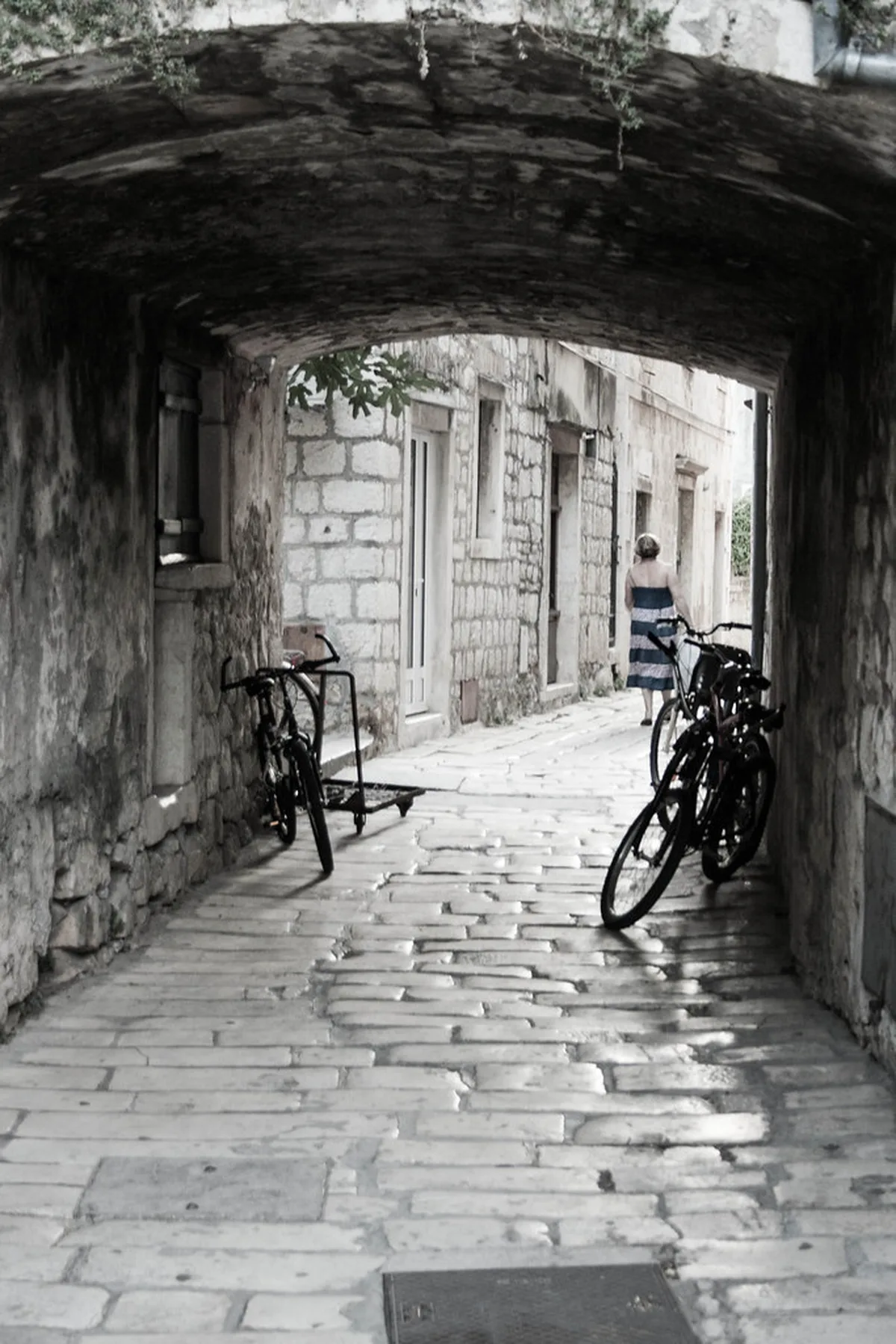
Hvar Town sits at the western end of a sheltered bay and is the island's most visited destination. The harbour front is lined with yachts, palm trees, and café terraces. Behind it, narrow stone lanes climb toward Fortica fortress — a 16th-century Venetian citadel that offers the finest panoramic views on the island.
St. Stephen's Square (Trg Svetog Stjepana) is the largest piazza in Dalmatia and anchors the old town. The Cathedral of St. Stephen, which dates from the 13th century but was largely rebuilt in the 16th, stands at its eastern end. Opposite the cathedral, the Arsenal and its first-floor Venetian loggia — today used as a theatre — form another essential stop. The Benedictine convent on the hill above the square houses an extraordinary collection of handmade lacework woven from agave fibres; the craft is on UNESCO's intangible heritage list.
Fortica fortress (locally called Španjola) charges around 60 HRK for entry and is worth every kuna for the views alone. The hike up takes about 20 minutes from the square, passing through scented pine woods.
Hvar Town guideThings to Do on Hvar Island
The island's activity list is long enough to fill two weeks. In and around Hvar Town you can hike the fortress, kayak through sea caves, watch the evening promenade from a harbourside café, and explore the lively nightlife cluster around Carpe Diem. Further along the island, the Stari Grad Plain rewards cyclists and walkers with ancient dry-stone walls and village roads unchanged for centuries. Lavender distillation is a local industry concentrated in the inland villages around Velo Grablje — mid-June is the ideal moment to catch the fields in bloom.
Dubovica Cove, accessible by a short path from the main road between Hvar Town and Stari Grad, is one of the island's most photogenic beaches: a pebble arc below an old stone house, backed by cypress trees. Milna bay on the northern coast is calmer and shallower, making it popular with families.
things to do on HvarThe Pakleni Islands
💡 Pro Tip: Book your Hvar adventures in advance through Viator for the best deals!
The Pakleni Islands (Paklinski otoci) are an archipelago of around 20 small islands and islets lying directly offshore from Hvar Town harbour. Water taxis depart from the main pier every 30 minutes in summer and reach the nearest islands in 10–20 minutes. The standard return fare is around 100 HRK per person.
Sveti Klement is the largest island and home to Palmižana bay, which has a sandy-gravel beach, a celebrated fish restaurant of the same name, and a botanical garden. Stipanska island hosts Carpe Diem Beach, an open-air club that operates day parties from noon and is one of the Adriatic's most famous beach bars. Marinkovac offers quieter coves, good snorkelling, and a nudist beach at Zdrilca.
Pakleni Islands boat tripGetting to Hvar Island
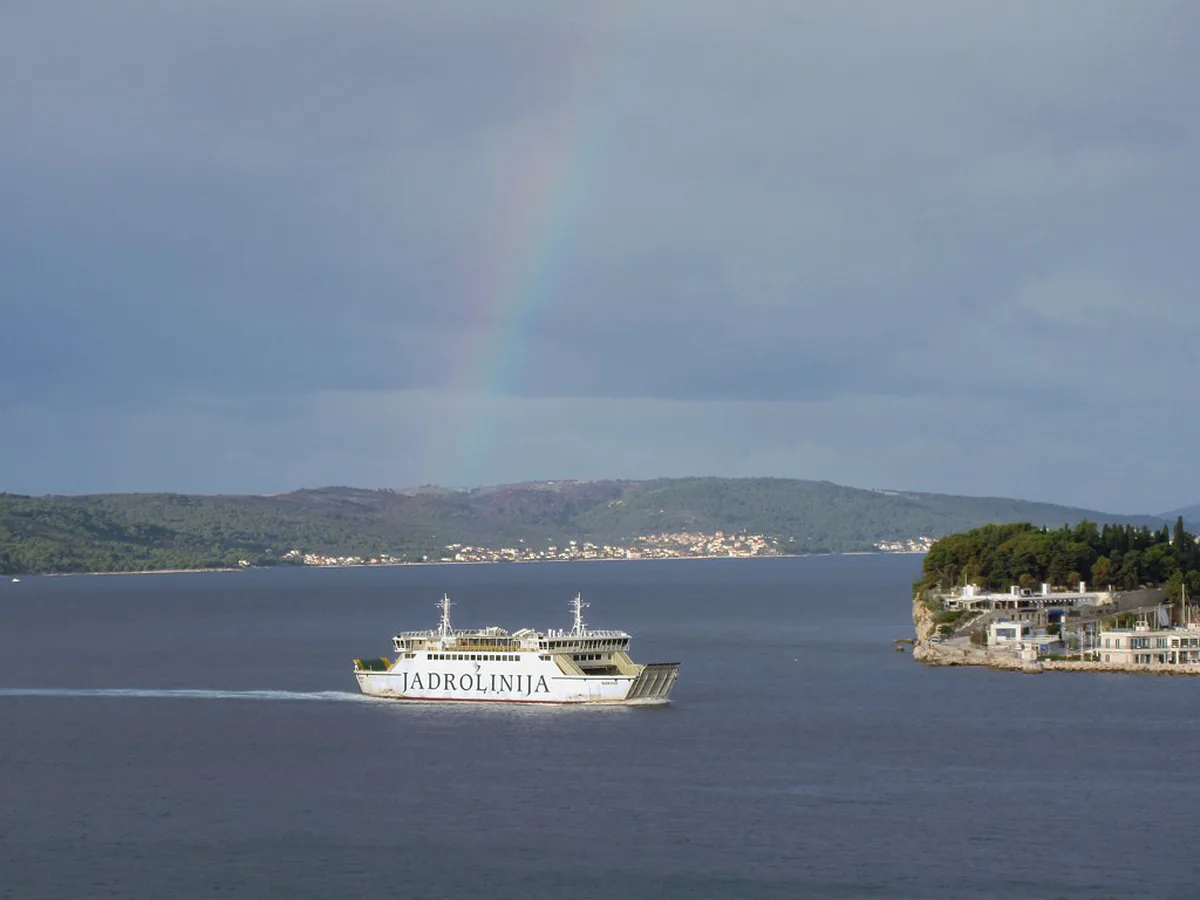
Hvar has no airport, so the practical entry points are ferry and catamaran from Split, Dubrovnik, or other Dalmatian cities. The fastest option is the Krilo or JADROLINIJA passenger catamaran from Split harbour to Hvar Town: the journey takes approximately one hour and costs around 50–70 HRK. Departures run several times daily, with extra services in July and August.
If you are travelling with a car, you must take the vehicle ferry from Split's Stari Grad terminal to Stari Grad on Hvar — a crossing of about two hours. Book in advance for July and August; walk-on passengers almost always get a spot, but cars queue for hours without reservations. From Dubrovnik, a seasonal catamaran calls at Hvar Town as part of a longer island route — travel time is roughly three hours.
getting to Hvar IslandWhen to Visit Hvar
💡 Pro Tip: Book your Hvar adventures in advance through Viator for the best deals!
Peak season runs from mid-July to mid-August, when Hvar Town is extremely crowded, accommodation prices are at their highest, and the ferries run on extended schedules to cope with demand. The island is at its most beautiful and most manageable in June and September: the sea is warm, the crowds are thinner, and restaurants are easier to book. May is excellent for hiking and cycling — temperatures are mild, lavender is beginning to show colour, and almost every business is open without the summer surcharge.
October and November bring cooler, windier weather but spectacular light and near-empty streets. December through March sees many restaurants and hotels closed, though Stari Grad and Jelsa maintain some off-season services for year-round residents and slower-paced visitors.
best time to visit HvarDay Trips from Hvar
Hvar's position in the central Dalmatian island chain makes it an excellent base for exploring the region. Vis Island, about an hour away by ferry, is wilder, less touristed, and home to the famous Blue Cave excursion at Biševo. Korčula, roughly 90 minutes by catamaran, offers a walled old town said to be the birthplace of Marco Polo. Split is a straightforward day return — most visitors spend the morning in Diocletian's Palace and are back on Hvar in time for dinner. Brač and its Zlatni Rat beach, one of Croatia's most recognisable coastal features, is another popular half-day excursion.
day trips from HvarWhere to Stay on Hvar Island
Accommodation choices range from budget hostels to some of Croatia's most glamorous luxury properties. Hvar Town has the widest selection and the highest prices — harbour-view rooms at peak season routinely exceed 300 EUR per night in upscale hotels. Stari Grad is quieter, more local in feel, and 20–40% cheaper for comparable quality. Jelsa, roughly midway along the island on the northern coast, is the best base for families: a calm harbour, a long promenade, several sandy bays within walking distance, and regular bus connections to both Hvar Town and Stari Grad. Vrboska, a small fishing village just west of Jelsa, is ideal for travellers seeking the most peaceful setting on the island.
where to stay in HvarGetting Around Hvar Island
A public bus runs between Hvar Town and Stari Grad roughly every hour in summer, with stops in Jelsa, Vrboska, and Pitve. The journey from Hvar Town to Stari Grad takes about 45 minutes. Taxis and ride-hailing options are available but expensive over longer distances. Renting a scooter or small car is the most flexible option for exploring the island's interior and finding hidden coves — car rental agencies operate in Hvar Town and at the Stari Grad ferry terminal.
Within Hvar Town itself everything is walkable, and most streets in the old town are closed to vehicles entirely. The Pakleni Islands are served by the water taxi network from the main pier.
Scooter hire is the single best way to explore Hvar independently. Rental agencies in Hvar Town and Stari Grad charge around €35 per day for a 50cc scooter, with 125cc models available for around €45. No special licence is required for 50cc scooters with an EU driving licence. Most agencies open at 08:00 and ask for a refundable deposit (typically €100 in cash). Helmets are provided. Fill up in Hvar Town or Stari Grad — there are no petrol stations in the island's interior.
Taxi boats operate from Hvar Town harbour pier and can be hired on demand for custom routes — useful for reaching coves not served by the regular water taxi network. Negotiate a price directly with the skipper; expect to pay €30–50 for a one-way transfer to a remote beach, or €150–200 for a half-day private charter. Several skippers also offer sunset tours around the Pakleni Islands for groups.
Local buses in summer run between Hvar Town and Stari Grad up to every 40 minutes, calling at Milna, Zagvozd junction, Jelsa, and Vrboska. The flat fare is 25–35 HRK per journey paid on board. There is no advance booking — board at the designated stops on the main road. Note that buses do not enter Hvar Town's car-free old town; the closest stop is at the main car park at the eastern edge of the historic centre, a five-minute walk from St. Stephen's Square.
Hvar for Different Travelers
💡 Pro Tip: Book your Hvar adventures in advance through Viator for the best deals!
Hvar for Families
Families with children are better served by Jelsa or Stari Grad than by Hvar Town. Jelsa has a sheltered harbour beach with a gentle slope and shallow water safe for young swimmers, a promenade with a playground, and restaurants accustomed to children's needs. The pace in Jelsa is unhurried, the evenings quiet, and apartments are spacious and affordable. From Jelsa, the bus connects to Hvar Town (30 minutes) for day visits to the fortress and harbour. The Pakleni Islands boat trip is a highlight for children — the clear water, short crossing, and beach play are consistently well-received by kids aged 4 and older. Avoid basing families in Hvar Town in July and August when bar noise carries through the night and prices are at their steepest.
Hvar for Couples
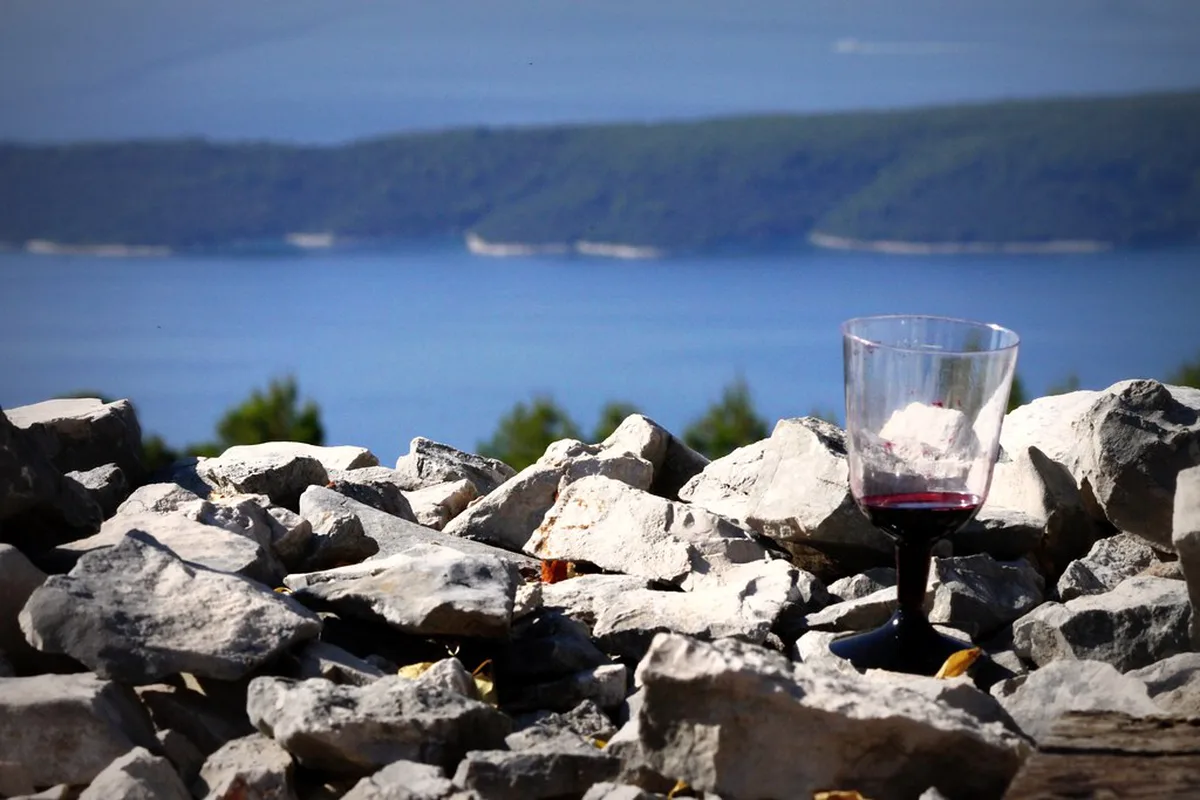
Romantic Hvar is best experienced in June or September when the crowds thin and the quality of light in the late afternoon is extraordinary. Couples seeking luxury should look at boutique hotels in the old town (Palace Elisabeth, Adriana Hvar Spa Hotel) or private villas in the hills above town with sea views and private pools. A day trip to Palmižana — lunch at the celebrated restaurant, an afternoon swim, and a return by sunset — is one of the Adriatic's finest couple's itineraries. Wine tasting in the interior — at a family winery near Sveta Nedjelja on the south-facing coast, where Plavac Mali grapes grow in vineyards that drop almost vertically to the sea — adds a memorable local dimension to any trip.
Hvar for Party Seekers
Hvar Town is legitimately one of the Mediterranean's top nightlife destinations from late June through early September. The core action clusters around the harbour bars on the Riva and the lanes immediately behind it. Carpe Diem in town opens at dusk and transitions to a club night after midnight; Hvar Town Bar and several smaller cocktail bars fill the gaps. The real set-piece is Carpe Diem Beach on Stipanska island in the Pakleni Islands — evening boat parties run Thursday to Saturday at peak season, with DJs performing on a floating stage in a pine-fringed cove. The boat shuttle departs from Hvar Town harbour in the early evening and returns after midnight. Separate from the beach club circuit, several boats run sunset cocktail cruises (€40–60 per person) that are popular as a pre-party warm-up.
Hvar Island vs Brač: Which Should You Choose?
Hvar and Brač are the two most visited islands in the central Dalmatian chain and often come up in the same conversation. They are neighbours — Brač sits directly north of Hvar across the Brač Channel — but they offer quite different experiences.
Choose Hvar if you want a complete island experience combining history, culture, nightlife, gastronomy, and beaches in one place. Hvar Town's old town, the Stari Grad Plain, the Pakleni Islands, and the island's lavender interior give it a depth that Brač cannot match. Hvar is also better positioned for day trips to Vis and Korčula.
Choose Brač if Zlatni Rat beach is your primary goal. The famous golden-pebble spit at Bol is genuinely one of the Adriatic's most spectacular beaches and justifies the journey on its own. Brač is also a better destination for windsurfing — Bol regularly receives the maestral wind that makes it one of Europe's top windsurfing locations. Accommodation on Brač (particularly in Bol) is slightly cheaper than Hvar Town equivalents.
The practical answer for most visitors: base yourself on Hvar and take a half-day excursion to Zlatni Rat. Speedboat tours from Hvar Town reach Bol in about 45 minutes and return mid-afternoon, giving you several hours on the beach without committing to a separate accommodation booking.
Money and Budget for Hvar Island
Hvar is one of Croatia's most expensive destinations, but costs vary significantly by location and season. A realistic daily budget for a mid-range trip in June or September — staying in a private apartment in Hvar Town, eating one restaurant meal per day, taking one activity — is €80–120 per person. In July and August the same lifestyle costs €120–180 per person per day, primarily driven by accommodation price increases.
- Budget travellers (hostel, self-catering, free beaches): €45–65 per person per day in shoulder season. Choose Stari Grad or Jelsa for the most affordable accommodation.
- Mid-range travellers (private apartment, one restaurant meal, one activity): €80–150 per person per day. This is the most common spending pattern for couples and small groups.
- Luxury travellers (boutique hotel, restaurant dining, tours): €200–400+ per person per day, scaling sharply in peak season for harbour-view rooms.
Practical cost benchmarks: a coffee on the harbour costs €2–3; a glass of local white wine at a harbour bar is €4–6; a grilled fish main at a tourist-facing restaurant costs €20–35; the same dish at a local konoba in Jelsa costs €14–20. The water taxi to the Pakleni Islands and back costs around €13 (100 HRK). Supermarkets in Hvar Town, Stari Grad, and Jelsa stock a full range of groceries at Croatian mainland prices — self-catering for breakfast and lunch substantially reduces daily spend.
Food and Drink on Hvar
💡 Pro Tip: Book your Hvar adventures in advance through Viator for the best deals!
Dalmatian cuisine on Hvar leans heavily on fresh seafood, olive oil, and local wine. The island produces excellent white wine from the indigenous Bogdanuša grape and a full-bodied red from Plavac Mali, Croatia's most planted red variety. Prstaci (date mussels) are a local delicacy, though their harvest is now restricted to protect stocks.
In Hvar Town, the restaurants on and around St. Stephen's Square charge a premium for location; better value lies in the lanes behind the harbour and on the road toward the ferry terminal. Stari Grad has a calmer dining scene centred on its inner harbour. For the best fish at the fairest prices, head to Jelsa or Vrboska, where local konoba (taverns) serve the catch of the day without the tourist markup.
Practical Information for 2026
Croatia joined the Schengen zone in 2023 and adopted the euro in the same year, so EU and Schengen travellers need only a valid identity document. Non-EU visitors should check current entry requirements for Croatia. The currency is the euro (EUR); most businesses in tourist areas accept card payments, but carry cash for smaller establishments and market stalls. The local emergency number is 112. The nearest hospitals with full services are in Split; Hvar Town has a medical centre for non-emergency care.
Wi-Fi is available in most accommodation and many cafés. Croatian SIM cards are inexpensive and provide good 4G coverage across the island; remote inland areas have patchier signal. Tap water is safe to drink everywhere on Hvar.