Antipaxos, Greece: Beaches, Boats and What to Expect in 2026
Three kilometres south of Paxos, separated by a narrow channel of the Ionian Sea, lies Antipaxos — called Antipaxi in Greek. It is tiny: less than five square kilometres, no permanent residents, no hotels, no supermarket, and no fresh water source. What it has are two beaches of such extraordinary quality that they draw visitors from across Greece and beyond every summer. Voutoumi and Vrika are not the best beaches in the Ionian or the best beaches in Greece. They are, by many measures, simply two of the finest beaches in all of Europe.
For a complete overview, see our Paxos Greece travel guide.
This guide covers everything you need to know before visiting Antipaxos in 2026: how to get there, which beach to choose, what to bring, what to expect, and why the island looks the way it does.
Geography and Location
Antipaxos sits in the southern Ionian Sea, at the southern end of the Paxos group of islands. It lies approximately 50 kilometres south of Corfu and 3 kilometres south of the main island of Paxos. The island's total area is around 4.5 square kilometres. Its topography is more varied than its size suggests: the western coast consists of cliffs and rocky outcrops, while the eastern coast, facing Paxos, is where both main beaches are located. The interior is covered in olive and vine cultivation — despite the lack of permanent residents, the land is actively farmed, and Antipaxos produces a small amount of wine that has a devoted local following.
Voutoumi Beach
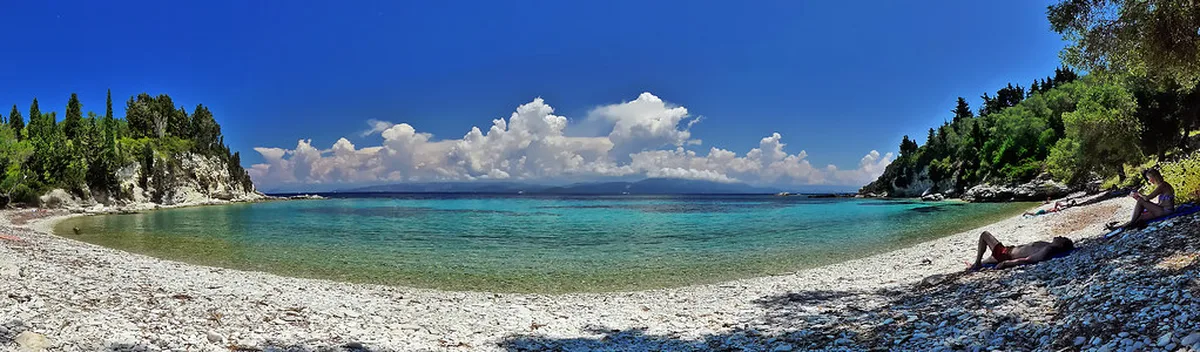
Voutoumi is the more dramatic of the two main beaches and the one that appears on the covers of Greek travel brochures. The beach curves around a sheltered cove, backed by low scrub and limestone outcrops. The pebbles are white to pale grey and uniformly small and smooth. The water gradient is extraordinary: from the shore it runs through successive shades of mint green, turquoise, and aquamarine before deepening into clear cobalt. The cove's geometry traps sunlight most of the day, which intensifies the colour. Snorkelling off the rocks at the southern end of the beach reveals a seabed of white pebbles and darting fish visible to considerable depth.
Voutoumi has a small beach taverna that operates in season, selling cold drinks, simple food, and sunbed hire. Expect basic facilities only: a toilet, a small covered seating area, no changing rooms. The taverna can run out of food on busy August days, which is one of several reasons to arrive early and bring your own supplies as a backup.
Vrika Beach
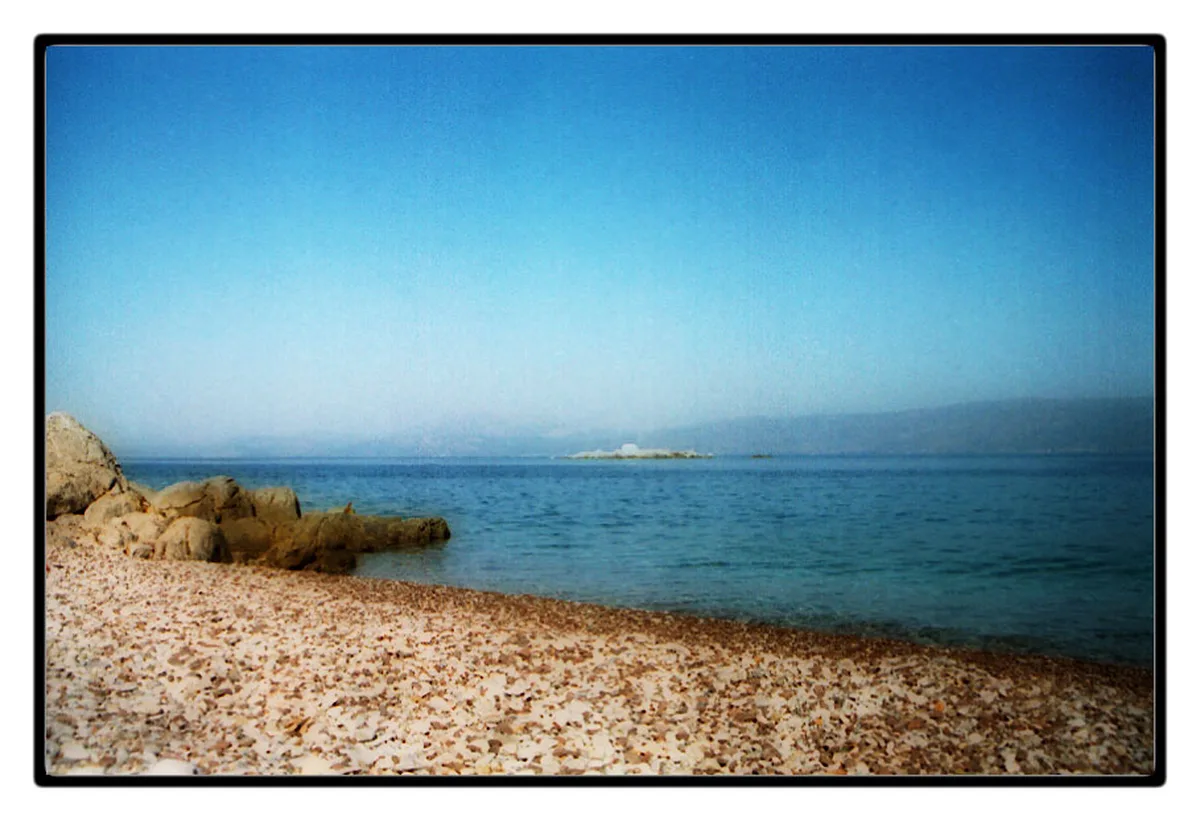
Vrika is at the northern tip of Antipaxos, a slightly longer and less enclosed beach than Voutoumi. The water is equally spectacular but the atmosphere is marginally calmer — partly because Vrika is the second stop on most boat excursion itineraries, meaning slightly fewer people arrive simultaneously. The beach has a small taverna of its own serving grilled fish and cold drinks. The surrounding vegetation is denser than at Voutoumi, providing some natural shade at the northern end of the beach in the afternoon. Vrika is the better choice for those who want to snorkel in open water rather than a cove.
Why Does the Water Look Like That?
🎯 Insider Tip: Discover the best Paxos experiences with Viator Tours!
The turquoise colour of the water at both beaches is the result of several factors working together. The water is extremely shallow near shore — at Voutoumi the depth reaches only waist height for the first 20 metres or more — and the white pebble seabed reflects light back upward through the water column. The high calcium content of the limestone geology produces very clear water with minimal suspended particles. And the Ionian's position means the water is relatively calm, reducing turbidity further. The effect is maximised on clear, sunny days when the sun is high; arrive at midday in late June or July and the colour is at its peak intensity.
Getting to Antipaxos from Paxos
The crossing from Gaios (the main port of Paxos) to Antipaxos takes approximately 15–20 minutes by water taxi. Several operators run the route from the Gaios waterfront, and the return fare is typically €15–20 per person. Boats run throughout the day in season, with the first departures around 9am and the last return usually by late afternoon. In July and August, book or secure your seat in advance — demand outstrips supply on peak days, and some visitors have found themselves stranded waiting for a place on an overloaded return journey.
Alternatively, many organised boat tours from both Paxos and Corfu include Antipaxos as part of a wider itinerary. These typically combine the Paxos sea caves in the morning with an afternoon stop at Antipaxos. The advantage is simplicity; the disadvantage is less time at the beach and the certainty of arriving alongside other groups.
If you have hired or chartered a boat independently, Antipaxos is straightforward to navigate to, but note that anchoring near the beaches is controlled in season and the coves can be crowded with moored boats in August.
getting to PaxosBest Time to Visit Antipaxos
Access to Antipaxos is effectively seasonal, running from late May to early October. Outside this window, water taxis do not operate and the beach tavernas are closed. Within the season, the practical question is crowd management. July and August bring the most visitors; at peak times, Voutoumi in particular can feel uncomfortably full for an island whose total landmass is smaller than many city parks. June and early September are the sweet spots: the water is warm, the light is good, and the beach population is manageable. Early morning arrivals — on the water by 9:30am — get ahead of the midday rush even in peak season.
best time to visit PaxosWhat to Bring to Antipaxos
🎯 Insider Tip: Discover the best Paxos experiences with Viator Tours!
- Food and water: Bring more than you think you need. The small tavernas can run out of supplies by early afternoon in August. Pack a lunch, snacks, and at least 1.5 litres of water per person. There is no fresh water source on the island.
- Sun protection: The reflective white pebble surface and the water intensify UV exposure significantly. SPF 50 and a wide-brimmed hat are not overcaution here — they are practical requirements. Reapply after swimming.
- Snorkel mask and fins: The water clarity is extraordinary. A basic mask is enough; fins help if you plan to snorkel further from shore. Neither is available to hire on the island.
- Beach shoes or water sandals: Entry into the water involves walking over uneven pebbles. Reef sandals or water shoes make this significantly more comfortable, particularly with children.
- Cash: Credit card acceptance at the beach tavernas is unreliable. Bring enough for drinks, food, and the water taxi if you did not pay in advance. There is no ATM on Antipaxos.
- A bag for rubbish: Antipaxos has no bins. Take everything you bring back with you. The island's environment is part of what makes it exceptional.
- Phone signal backup: Mobile coverage on Antipaxos is variable. If you need to contact the water taxi operator for your return journey, try to arrange the time before you leave Gaios rather than relying on being able to call from the beach.
Snorkelling and Swimming
Both beaches offer excellent snorkelling. The water clarity is exceptional — visibility extends to 10–15 metres on a calm, clear summer day, among the best of any Ionian beach. The limestone rock formations at the edges of both coves shelter small fish communities: wrasse, bream, and damselfish are commonly sighted within a few metres of shore. Octopus occasionally hide in the rock crevices at Voutoumi's southern headland. At Voutoumi, snorkel south from the beach along the rocky headland for the best variety. At Vrika, the open-water entry from the northern end of the beach allows for longer swims in calmer conditions. The sea floor drops off more steeply at Vrika, making it the better choice for those who prefer depth over the shallow-water colour gradient of Voutoumi.
Jellyfish are present in the Ionian from late July onward; check conditions on the day before entering the water. The water temperature at both beaches typically reaches 26–27°C by late August, which is among the warmest of any beach in the northern Mediterranean. In June the sea runs 22–23°C — cool enough to be refreshing after an hour in the sun, warm enough to stay in comfortably. September maintains 24–25°C and is arguably the best swimming month of the season.
Voutoumi vs Vrika: Which Beach to Choose
| Voutoumi | Vrika | |
|---|---|---|
| Setting | Enclosed cove, sheltered on three sides by low limestone cliffs | Open, longer beach at the northern tip of the island |
| Water colour | Intense turquoise closest to shore — the more photogenic of the two | Equally vivid but the gradient is less concentrated due to the open bay |
| Crowd level | Busier — first stop on most excursion itineraries | Marginally quieter — second stop, slightly fewer people arrive simultaneously |
| Snorkelling | Good — snorkel south along the rocky headland for the best variety | Better for open-water snorkelling; sea floor drops off more steeply |
| Shade | Limited — low scrub above the beach line only | More natural shade from denser vegetation at the northern end in the afternoon |
| Facilities | Small seasonal taverna, sunbeds, basic toilet | Small seasonal taverna, grilled fish menu |
| Best for | Photos, the most vivid shallow-water experience, first-time visitors | Quieter afternoon, open-water swimming, those who prefer depth over shallows |
The verdict: visit both if time allows. The path between them along the island's eastern shore takes around 20 minutes on foot and is pleasant. If you have to choose one and it is your first visit, go to Voutoumi — the enclosed cove and the colour gradient are the defining images of Antipaxos. Return visitors often prefer Vrika for its marginally calmer atmosphere.
Beyond the Beaches
Antipaxos has more than its two headline beaches, though most visitors never discover this. A network of footpaths crosses the island's interior through olive and vine cultivation. The western cliffs, reached by a 30-minute walk from Vrika, offer dramatic views across open sea. The island produces a small amount of wine from its vineyards — some producers sell bottles informally from storage areas near the beaches in season, though supply is erratic. If you are on Antipaxos and find yourself with the afternoon winding down and the last water taxi still hours away, exploring the interior on foot is a worthwhile way to spend the time.
Practical Summary for 2026
Water taxi from Gaios: €15–20 return, 15–20 minutes. Best months: June and September. Bring food, water, cash, sun protection, and a snorkel mask. Voutoumi is the most photogenic; Vrika is slightly quieter. Both beaches have small seasonal tavernas with limited supplies. No permanent residents, no fresh water, no ATM. Book your return water taxi before you leave Gaios, particularly in July and August.