12 Best Things to Do on Paxos, Greece in 2026
Paxos is small. You can drive from one end to the other in under 20 minutes, and the permanent population hovers around 2,300. But small does not mean limited. The island rewards slow exploration, and a week here will not feel like one day repeated. Between the sea caves, the Antipaxos beaches, the olive grove walks, and the taverna culture that defines the Ionian evenings, there is more to do on Paxos than its scale suggests.
For a complete overview, see our Paxos Greece travel guide.
These are the 12 best things to do on Paxos in 2026, ordered loosely from most essential to worth making time for.
1. Explore Gaios Harbour
Cost: Free. Timing: Morning for atmosphere; evening for the volta. Booking needed? No.
Gaios is the capital and main port of Paxos, and the harbour is its centrepiece. Two small islands — Agios Nikolaos (with its Venetian fortress) and the wooded Panagia — shelter the waterfront and give the town the feeling of a natural lagoon rather than an open harbour. The main square runs directly along the water's edge, and the surrounding lanes are narrow, quiet, and lined with bougainvillea-covered facades. Morning is the best time to wander: the ferry traffic brings a brief burst of energy, then the town returns to its own rhythm. Stop for a coffee at one of the waterfront cafes and watch the fishing boats come in.
2. Take a Boat Trip to Antipaxos
Cost: €15–20 return by water taxi. Timing: Full morning and early afternoon — aim to be on the water by 9am in peak season. Booking needed? Yes, in July and August — secure your return seat before leaving Gaios.
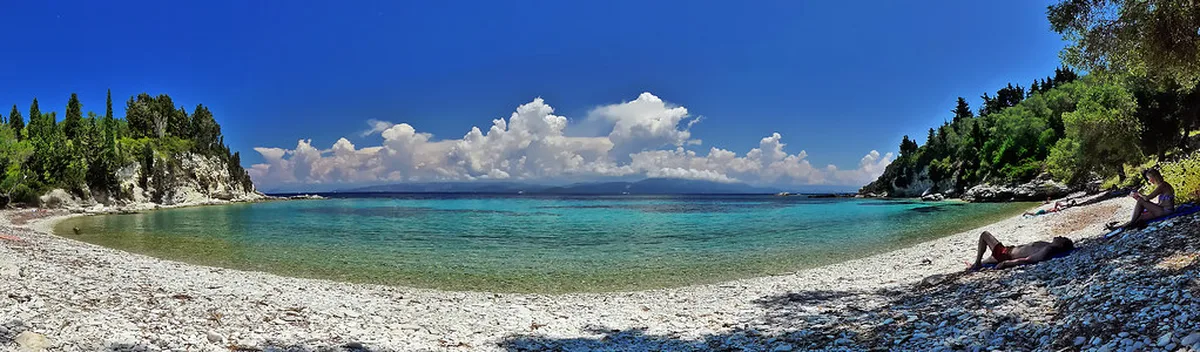
This is, by consensus, the single best thing you can do from Paxos — and it deserves a full day. Antipaxos is a tiny uninhabited island just 15–20 minutes south by boat. Its two beaches, Voutoumi and Vrika, have water so clear and vivid that first-time visitors consistently reach for superlatives. The pebbles are white, the sea ranges from mint green to deep cobalt, and the contrast is disorienting in the best possible way. Water taxis from Gaios run the crossing for around €15–20 return. Go as early as you can manage to get ahead of the midday rush in peak season.
Antipaxos island guide3. Visit the Sea Caves on the West Coast
Cost: €35–50 per person for a group tour; €80–120 to hire a small motorboat independently. Timing: Morning — the light angles directly into cave mouths before noon. Booking needed? Group tours can be booked at the Gaios quay the evening before; pre-booking recommended in August.
The western coastline of Paxos is all vertical limestone cliffs, and those cliffs conceal some of the most dramatic sea cave systems in the Ionian. The main caves — Hypapanti (which contains a small chapel), Kastanitha, and the Ortholithos rock arch — are accessible only by boat. Organised group tours depart from Gaios each morning and cost around €35–50 per person. If you want more flexibility, hire a small motorboat independently; the rental outfits in Gaios can point you toward the caves on a map. The light inside the caves is best in the morning, when the sun angles directly into the openings.
Paxos sea caves boat trip4. Walk from Loggos to Lakka Through the Olive Groves
🎯 Insider Tip: Discover the best Paxos experiences with Viator Tours!
Cost: Free. Timing: Early morning in July/August to avoid the worst heat; spring and autumn any time of day. Booking needed? No.
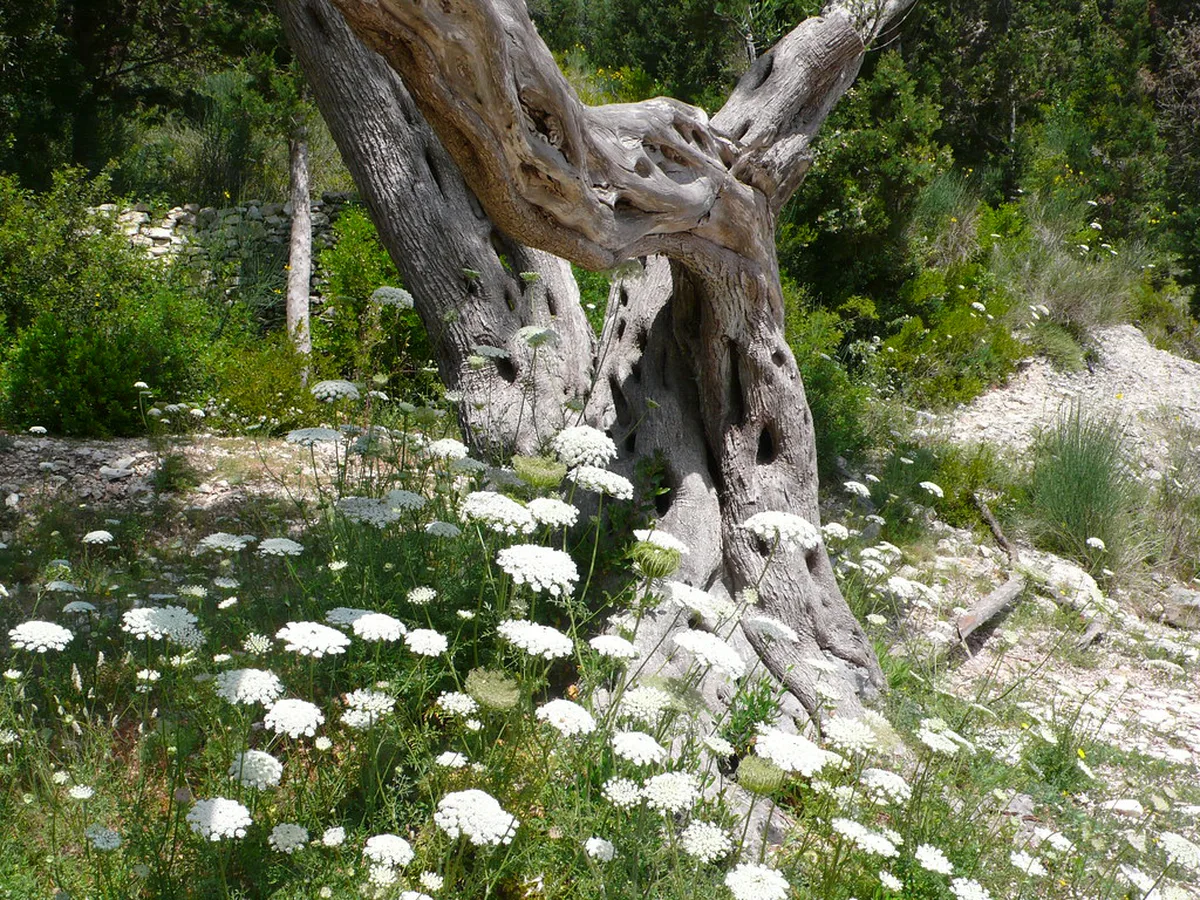
The path that crosses the island from the east coast village of Loggos to Lakka in the north is Paxos's best walking route. It passes through the ancient olive groves that blanket the island's interior — over 300,000 trees, some of them several centuries old. The track is shaded, largely flat, and takes about 90 minutes at a comfortable pace. Bring water. The olive trees are not decorative; they are the economic backbone of the island, and the oil produced here is exceptional by any standard. If you see a producer selling directly, buy some.
5. Swim in Lakka Bay
Cost: Free. Timing: Morning for the calmest water and best light. Booking needed? No.
Lakka is the northernmost village, set in a wide, sheltered bay that is a natural harbour for sailing boats. The bay's water is shallow and calm — ideal for children and for those who want to swim without fighting waves or currents. The beach itself is a mix of sand and small pebbles. Arrive in the morning to find a spot before the day-trippers arrive. The surrounding village is relaxed and low-key, with a few good tavernas and a sense of being at the end of the road, in the best sense.
6. Hike to the Paxos Lighthouse
Cost: Free. Timing: Any time — 20 minutes each way from Lakka village. Booking needed? No.
The lighthouse sits above Lakka, reached by a 20-minute uphill walk from the village. The views from the top — across the northern bay, out to the open Ionian, and back across the olive-covered interior — justify the climb decisively. The lighthouse itself is a compact, functional structure rather than an architectural showpiece, but the surrounding headland is beautifully exposed and wild. It is one of the few places on the island where you get a genuine aerial perspective of its scale and geography.
7. Kayak the East Coast
🎯 Insider Tip: Discover the best Paxos experiences with Viator Tours!
Cost: €15–25/hour or €50–70 for a half-day rental. Timing: Early morning before the afternoon Maistros wind picks up. Booking needed? Recommended in peak season — operators in Gaios and Lakka have limited stock.
Kayaking is one of the best ways to explore Paxos's east coast, which is dotted with small coves and rocky inlets that are inaccessible by foot and too shallow for large boats. Several operators in Gaios and Lakka rent kayaks by the hour or half-day. The east coast route between Loggos and Lakka is particularly rewarding: you paddle at sea level past limestone outcrops, through clear water, with views of the forested hills above. This is a good activity for cooler mornings before the heat of the day sets in.
8. Explore Loggos Village
Cost: Free to explore; dinner €20–35/head. Timing: Mid-afternoon arrival, dinner after 7:30pm. Booking needed? Yes for dinner at Vasilis and Carnayo in July/August.
Loggos is Paxos at its most unhurried. The village sits around a tiny fishing harbour on the east coast, with a handful of excellent tavernas occupying the waterfront and a cluster of pastel houses rising behind. There is almost nothing to do in Loggos except eat well, drink slowly, and watch the light change on the water — which is precisely why visitors return to it year after year. The restaurant Vasilis has a particularly strong local reputation; book ahead in high season. Arrive by mid-afternoon, swim off the rocks near the harbour, and stay for dinner.
9. Visit Mongonissi Beach
Cost: Free access; sunbeds €8–12/day. Timing: Morning for best beach positions. Booking needed? No.
Mongonissi, at the southern tip of Paxos, is the island's most accessible proper beach and one of the few with a beach bar. A small causeway connects the beach area to the main road, and the water here is clear and calm. It is busier than the more remote coves but offers the infrastructure — sunbeds, drinks, food — that some travellers want. The nearby Mongonissi resort has a watersports operation that rents paddleboards, kayaks, and small boats.
10. Sample Local Olive Oil
Cost: €8–15 per litre from producers or Gaios shops. Timing: Any time during opening hours. Booking needed? No — though informal producer tastings are easier if you speak a little Greek.
Paxos produces olive oil from over 300,000 trees — a number that, for an island of this size, is extraordinary. The oil is extra virgin, cold-pressed, and has a flavour profile that reflects the age of the trees and the mineral character of the island's soil. It is not a marketing claim; blind tastings consistently rank Paxiot oil among the finest in Greece. You can buy directly from producers or from shops in Gaios. Some producers offer informal tastings if you ask. The oil travels well and makes a worthwhile souvenir.
11. Watch the Sunset from Erimitis
Cost: Restaurant mains €14–28; the viewpoint itself is free. Timing: Arrive 45 minutes before sunset. Sunset ranges from around 8pm in June to 7:15pm in late September. Booking needed? Yes — book a restaurant table in advance for peak season.
Erimitis is a viewpoint and restaurant on the western cliffs of Paxos, above a stretch of coastline that is among the most dramatic on the island. The cliffs here fall directly into the sea, and at sunset the light turns the limestone face a deep amber. The restaurant at Erimitis is known more for the view than the food, though the menu is respectable. Book a table for the last hour of daylight. This is the one occasion on Paxos where the spectacle actively matches the Instagram expectation.
12. Evening Ouzo at a Loggos Taverna
🎯 Insider Tip: Discover the best Paxos experiences with Viator Tours!
Cost: €3–5 for an ouzo with mezedes. Timing: After 8pm when the light fades and the harbour quietens. Booking needed? No.
No list of things to do on Paxos is complete without acknowledging the pleasure of doing almost nothing in the right setting. A glass of ouzo at one of the waterfront tables in Loggos, as the fishing boats rock gently in the harbour and the lights of the taverna reflect in the water — this is the kind of evening that becomes the central memory of the trip. Order the ouzo, the local cheese, a plate of grilled fish if you have not already eaten, and let the night take the pace it naturally wants.
Paxos for Foodies: Where to Eat Well
The taverna culture on Paxos is one of its quiet strengths. There are no fine dining restaurants in the Michelin sense, but there are a handful of places that produce consistently excellent Ionian cooking — and on a small island with repeat visitors who have been coming back for decades, standards are maintained by reputation rather than marketing.
Vasilis, Loggos
Vasilis is the most consistently recommended restaurant on the island and has been for years. It occupies a handful of tables directly above the water at Loggos harbour, and the menu is built around what came in on the fishing boats that morning. Whole grilled sea bream and sea bass are the staples; the prawn saganaki is excellent when available. Expect to pay €20–35 per head including wine. Book in advance for July and August — Vasilis fills up quickly and does not maintain a long waiting list.
Carnayo, Loggos
The other standout in Loggos, Carnayo sits at the edge of the small harbour and has built a loyal following for seafood pasta, grilled octopus, and fresh locally caught prawns. The terrace tables give direct views over the boats. Slightly more casual in atmosphere than Vasilis but equally focused on local ingredients. Main courses run €14–24.
Taka Taka, Gaios
The best taverna in Gaios proper, Taka Taka serves good mezedes and grilled meat dishes alongside fresh fish. It is more of a daily eating spot than a special-occasion destination — the kitchen is consistent, the portions generous, and the setting on the Gaios backstreets is authentically local in a way that the main waterfront tavernas sometimes are not. A solid choice for lunch.
Erimitis, West Coast Cliffs
Erimitis is less about the food than about the setting — a clifftop restaurant above the dramatic western coastline, reached by a narrow road from the main island route. The menu is competent rather than exceptional, but the sunset views are genuinely among the finest on the island. Book a table for the hour before and after sunset. Arrive by car or scooter; there is no access on foot from any of the three villages in a reasonable time.
Practical Tips for 2026
Most boat tours operate from June through September; May and October schedules are reduced. Hire a scooter or small car in Gaios to reach the island's more dispersed points of interest — the local bus is infrequent. Book Antipaxos boat taxis in advance in July and August. The caves are best visited before noon. Tavernas in Loggos fill up quickly in peak season; arrive before 8pm or book ahead.