12 Best Things to Do on Hvar Island, Croatia in 2026
Hvar Island sits at the heart of the Dalmatian archipelago with more than 2,700 hours of sunshine a year, crystal-clear Adriatic water, and a range of activities that suits hikers, beach-lovers, history enthusiasts, and nightlife seekers in equal measure. Whether you have a single day or a full week, this list covers the experiences that reward every type of traveller visiting in 2026.
For a complete overview, see our Hvar Island Croatia travel guide.
How to Get to Hvar Island
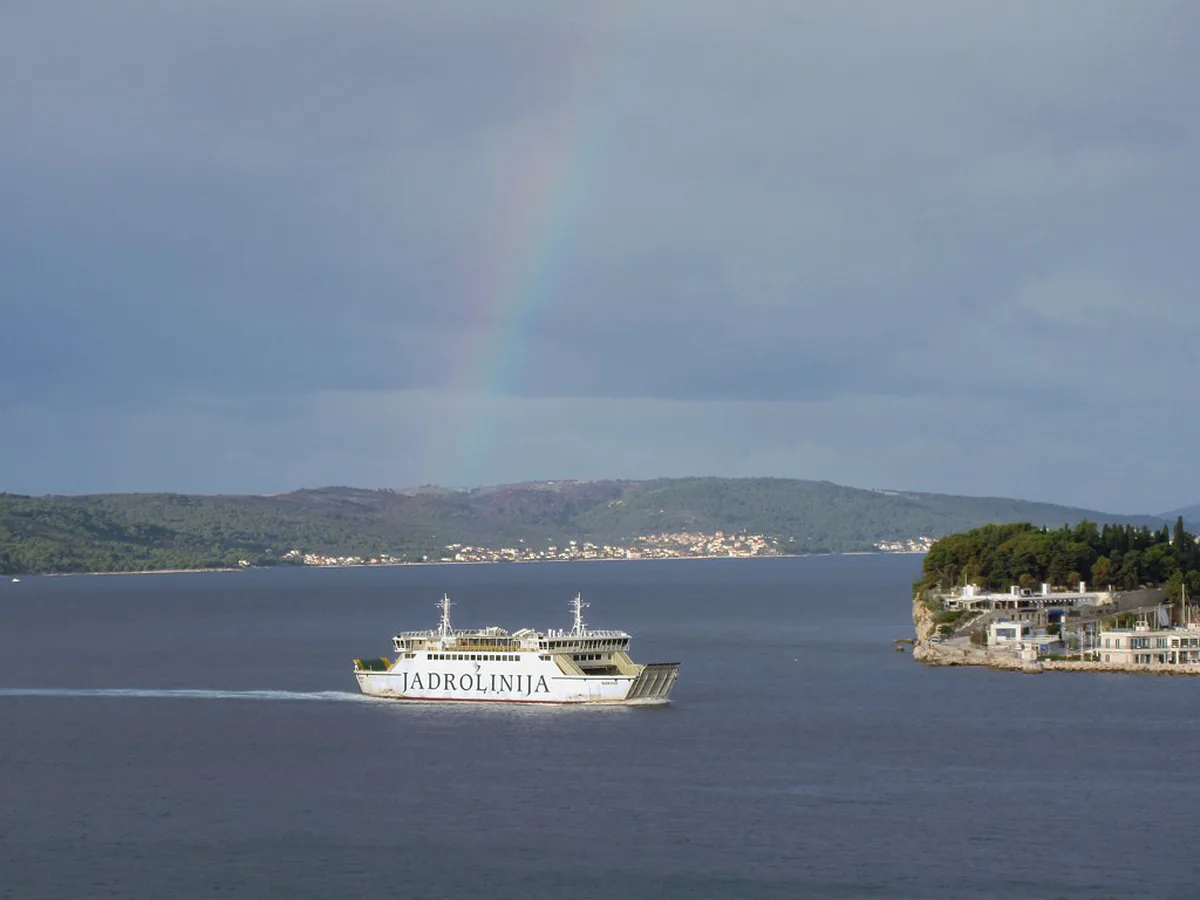
Before diving into activities, a quick note on arrival: most visitors reach Hvar by catamaran or ferry from Split. The passenger catamaran to Hvar Town takes about one hour; the car ferry to Stari Grad takes two hours. Both JADROLINIJA and Krilo run multiple services daily in summer. Once on the island, a public bus connects the main settlements, and scooter rental gives you the freedom to find quieter spots.
What Time of Year Is Best for Activities on Hvar
Most outdoor activities are best in June, early July, and September. July and August bring peak heat (often above 35°C inland) and peak crowds, which can make popular beaches and boat tours feel overcrowded. May is outstanding for hiking and cycling when temperatures are mild. Lavender activities are specific to June, when distillation is under way in inland villages.
The Best Things to Do on Hvar Island
1. Hike to Fortica Fortress
Fortica (also called Španjola fortress) crowns the hill directly above Hvar Town's old quarter. Entry costs around 60 HRK and the 20-minute walk up through pine woods is pleasant even in summer if you go early or late in the day. From the battlements you look directly down onto the cathedral square and harbour, with the Pakleni Islands spread across the water beyond. The fortress interior holds a collection of ancient amphoras recovered from the seabed. It is the single best vantage point on the island and unmissable for first-time visitors.
2. Take a Boat Trip to the Pakleni Islands
The Pakleni Islands lie minutes from Hvar Town harbour and are among the most beautiful stretches of coastline in the Adriatic. Water taxis depart every 30 minutes in summer from the main pier and charge around 100 HRK return. The main destinations are Palmižana bay on Sveti Klement (sandy-gravel beach, excellent restaurant, botanical garden) and Stipanska, home to the Carpe Diem beach club. You can island-hop across several islands in a single day or rent a small motorboat for an independent circuit.
3. Explore the Stari Grad Plain
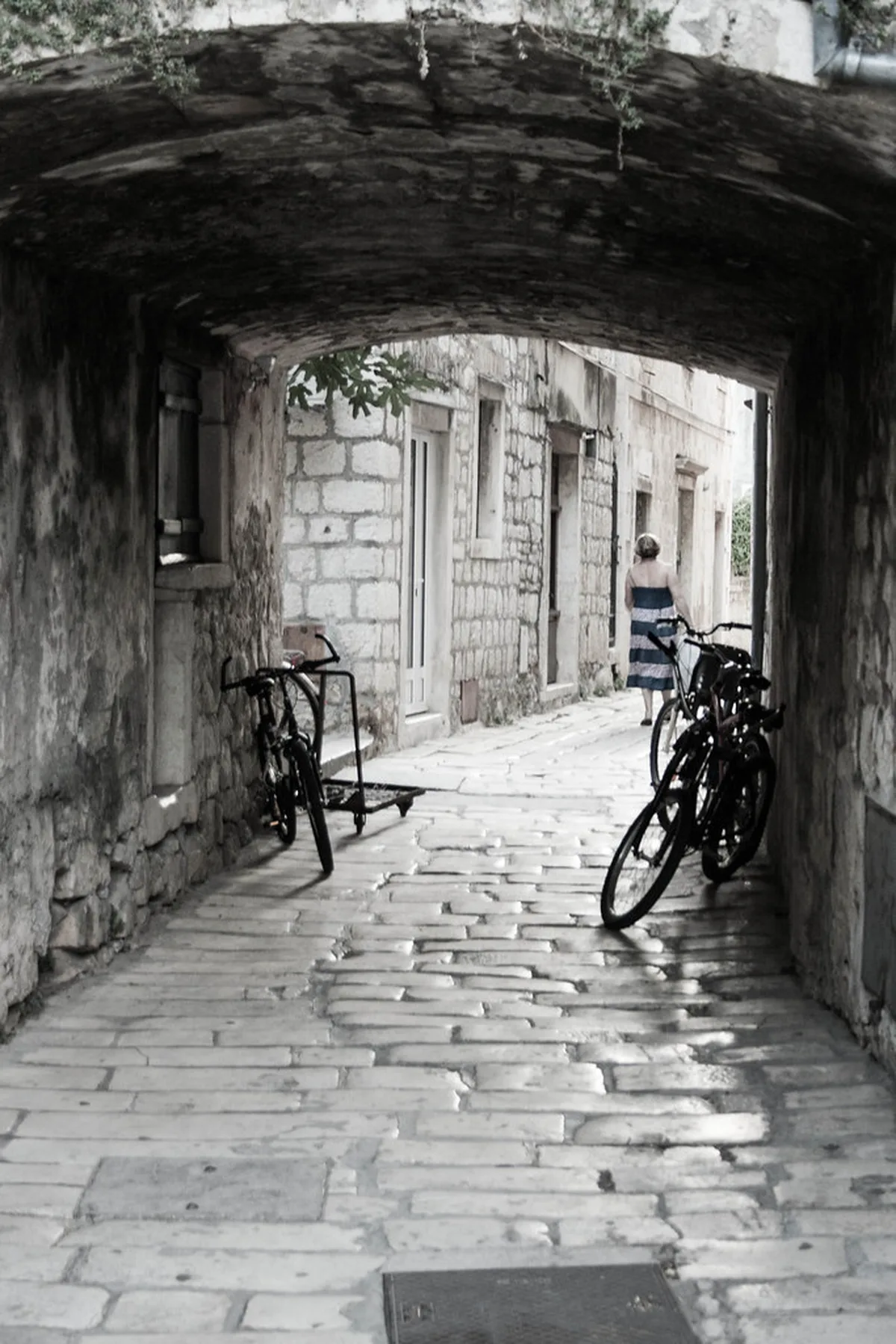
The Stari Grad Plain (Starogradsko polje) is a UNESCO World Heritage Site occupying the flat centre of the island behind Stari Grad town. Greek colonists from Paros established the settlement in 384 BC and laid out a land-survey grid — chora — that farmers have maintained with minimal change for 2,400 years. Dry-stone walls, cyclopean vineyard plots, and a network of rural paths make this one of the most historically resonant landscapes in the Mediterranean. Rent a bicycle in Stari Grad town and spend half a day riding the field roads. The plain is at its most atmospheric at dawn or dusk when the light catches the ancient walls.
4. Visit the Lavender Fields and Distilleries
Hvar is one of Croatia's main lavender-producing areas. The fields are concentrated in the inland villages — Velo Grablje and Malo Grablje especially — and in the agricultural land around Brusje. The crop blooms in June and is harvested and distilled in the same month. Visiting the fields during bloom is one of the island's most atmospheric experiences: the scent carries on the breeze, and the purple colour against limestone walls is striking. Velo Grablje hosts a small lavender festival in June; the village itself is a well-preserved stone hamlet largely untouched by tourism.
5. Swim at Dubovica Cove
Dubovica is reached by a short downhill path from a roadside parking area on the main road between Hvar Town and Stari Grad, roughly 7 kilometres east of town. A small pebble beach sits below a 16th-century stone farmhouse — one of the most photographed scenes on the island. The water is clear and deep enough for snorkelling around the rocky outcrops on either side. Come early in the morning or late afternoon to avoid the midday rush; there is no beach bar here, so bring water and food.
6. Sea Kayak Along the Coastline
Several operators in Hvar Town offer guided kayak tours that last between two and five hours. The most popular routes paddle west from the harbour toward hidden sea caves and small coves inaccessible by road. A full-day guided kayak to the Pakleni Islands combines paddling with snorkelling stops and a lunch break on the islands. Expect to pay 400–600 HRK for a guided half-day. Independent rental (from around 150 HRK per hour) is available for confident paddlers who want to explore at their own pace.
7. Walk Around Hvar Town at Sunset
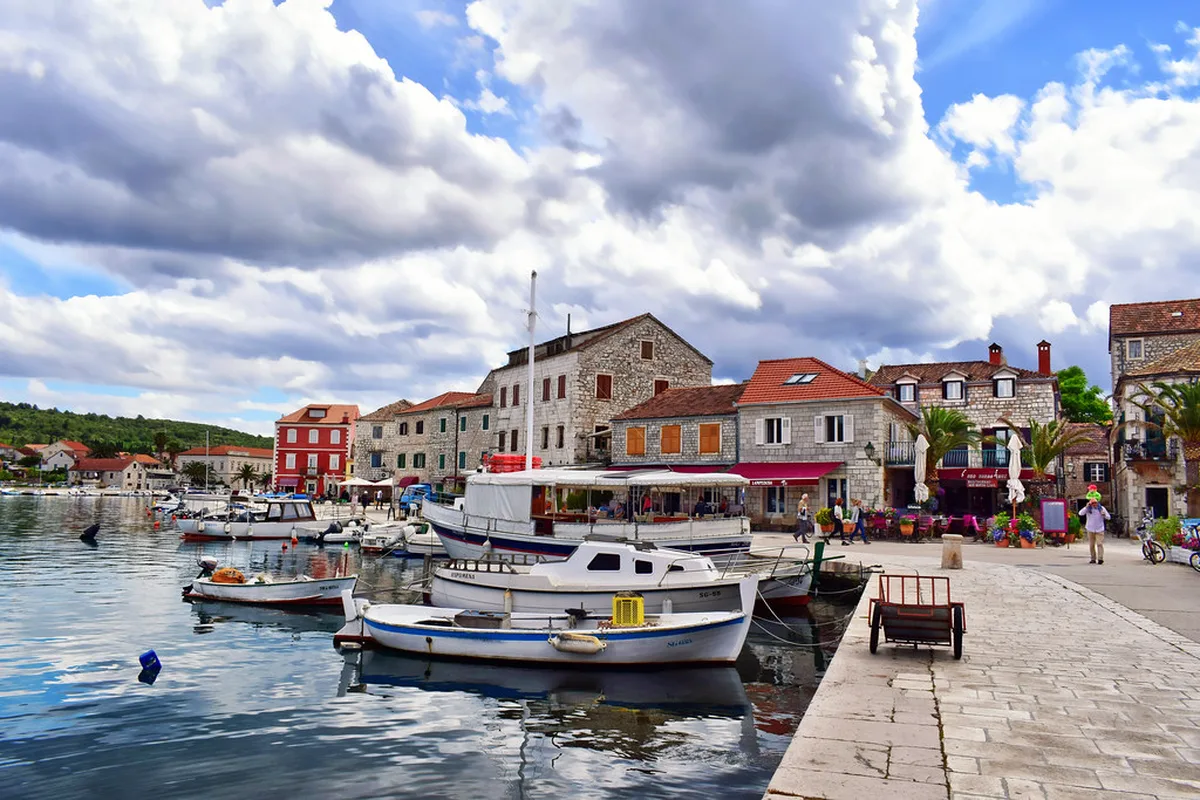
Hvar Town is at its most beautiful in the hour before sunset, when the crowds thin slightly and the warm Adriatic light catches the honey-coloured stone of the cathedral and Arsenal. Start at St. Stephen's Square, walk the harbour promenade as the yachts settle for the evening, then climb the lane toward Fortica for the last light. This circuit takes about 90 minutes and costs nothing except a coffee or glass of wine at one of the harbour cafés midway through.
8. Snorkel Around the Pakleni Islands Reefs
The waters around the Pakleni Islands are among the clearest in the Adriatic, with visibility commonly exceeding 15 metres. Rocky reefs around Marinkovac and the outer islands host grouper, sea bream, octopus, and, in warmer months, shoals of smaller fish. You can snorkel straight from the beach at Palmižana or hire equipment locally for a few euros. Scuba dive operators in Hvar Town run guided dives to deeper sites including a small aircraft wreck near Sveti Klement.
9. Try Local Wine at an Island Konoba
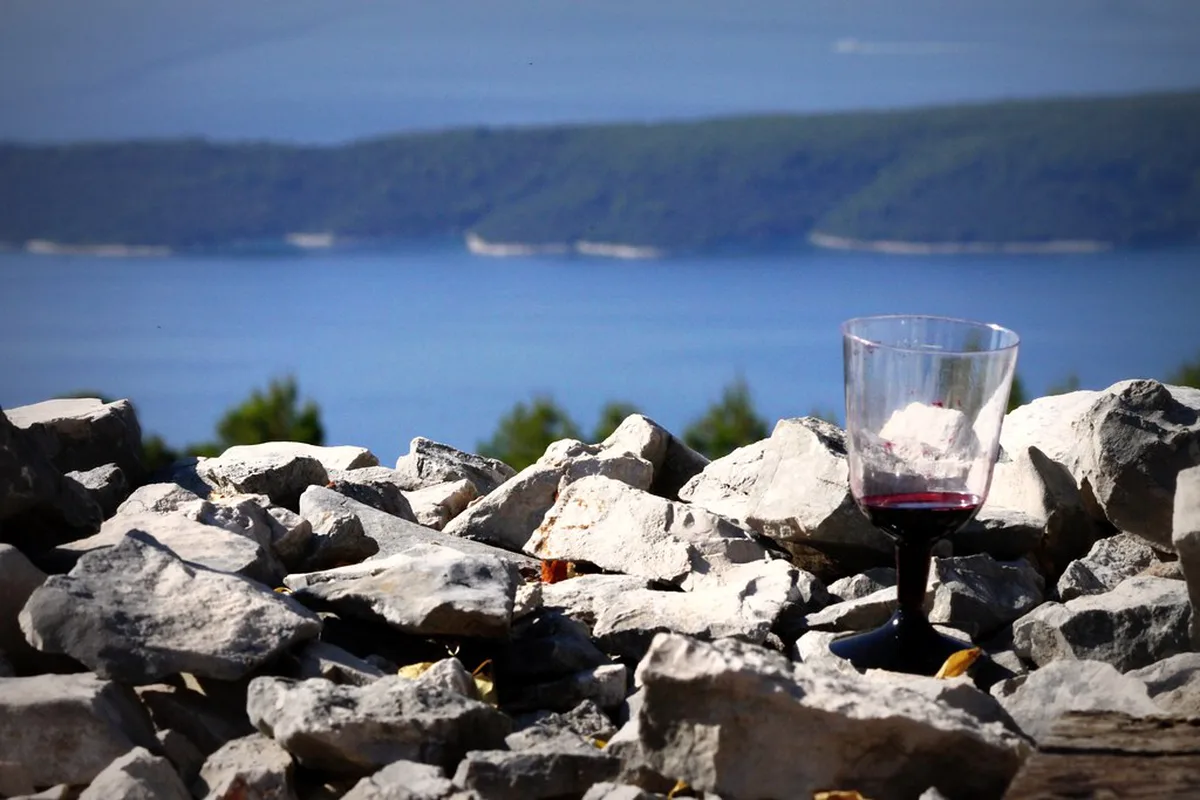
Hvar produces two wines worth seeking out: Bogdanuša, a light, floral white specific to the Dalmatian islands, and Plavac Mali, the island's dominant red — a full-bodied, tannic wine that benefits from ageing. Several agrotourism properties in the interior offer wine tasting combined with a spread of local cured meats, cheese, and olives. Hvar Tours operators run half-day wine tours visiting two or three family wineries with transport included — worthwhile if you want to combine wine, scenery, and local context in a structured morning.
10. Visit the Benedictine Convent and Agave Lace
The Benedictine Convent above St. Stephen's Square in Hvar Town has been occupied continuously since the 15th century. The nuns here produce a unique lacework from the fibres of the agave plant — a tradition listed on UNESCO's intangible cultural heritage register. The convent opens to visitors for a few hours each morning (hours vary by season; check locally). The lace is extraordinarily intricate; even small pieces take weeks to make and are sold at the convent for prices that reflect the labour involved.
11. Day Trip to Vis Island
Vis is one of the most rewarding day trips from Hvar. The ferry takes about one hour and lands in Vis Town, a quiet harbour settlement backed by pine hills. The star attraction is the Blue Cave at Biševo islet, a short boat ride from Komiža village on Vis's western coast — inside, the cave fills with iridescent blue light between around 11:00 and noon. Organised Blue Cave excursions run directly from Hvar Town harbour for approximately 400–550 HRK including transport and cave entry.
12. Experience Hvar Town Nightlife
Hvar Town has a reputation as one of the Adriatic's most energetic nightlife destinations, and it is well earned. The action centres on the bars and clubs clustered around the harbour and in the lanes behind it. Hvar Town Bar and Carpe Diem in town (separate from the beach club on Stipanska) open early evening and transition to club nights after midnight. The scene draws a mixed crowd of yachties, backpackers, and local Croatians; the atmosphere is generally relaxed and inclusive. Carpe Diem Beach on Stipanska island runs boat parties in the evening during high summer.
Day vs Evening: Timing Guide for Hvar Activities
💡 Pro Tip: Book your Hvar adventures in advance through Viator for the best deals!
Choosing the right time of day for each activity makes a significant difference on Hvar, particularly in July and August when heat and crowds peak in the middle of the day.
Best in the early morning (07:00–10:00): Fortica fortress hike (cooler, fewer people at the summit, light is excellent for photography); Stari Grad Plain cycling (dew on the fields, no traffic, lavender scent strongest before the heat builds); Dubovica Cove (arrive early to secure a good spot before the beach fills by 10:30 in peak season).
Best at midday (10:00–14:00): Pakleni Islands boat trip (water taxi runs frequently, Blue Cave light is best 11:00–noon for those combining with a Vis excursion); snorkelling (the sun angle at midday gives the best underwater visibility); Palmižana restaurant (book the noon sitting for the freshest fish choices).
Best in the afternoon (14:00–18:00): Sea kayaking (the maestral sea breeze arrives in early afternoon and keeps paddlers cool; operators schedule most guided departures at 14:30–15:00); wine tasting at island agrotourism estates (most open from 14:00; the interior is cooler than the coast by mid-afternoon in a sea breeze).
Best at sunset and evening (18:00–midnight): Harbour promenade walk (the Riva is at its most atmospheric as the superyachts light up and the evening passeggiata begins); Carpe Diem Beach on Stipanska (the evening boat party starts around 18:30–19:00); dinner at a konoba in the lanes behind the harbour (tables become available from 19:30; earlier than that, locals consider it tourist dining hours).
Practical Tips for Each Activity
Fortica Fortress
Cost: approximately 60 HRK / €8 entry. No advance booking required — buy tickets at the gate. Allow 90 minutes total (20-minute walk each way plus 30–40 minutes inside). The shop at the fortress sells local lavender products and island wine at fair prices. Wear closed shoes — the path has loose stone sections.
Pakleni Islands Boat Trip
Cost: 100 HRK / €13 return by water taxi. Water taxis run 09:00–23:00 in peak season, last boat back approximately midnight. To island-hop across Jerolim, Marinkovac, and Sveti Klement in one day, buy individual one-way tickets (50 HRK each leg) rather than a return to a single island. Bring cash — water taxi drivers rarely accept cards. Sun protection and water are essential.
Sea Kayaking
Cost: 400–600 HRK for a guided half-day (3–4 hours); 150 HRK per hour for independent rental. Book guided tours the day before in peak season — popular operators fill up. Most tours include a snorkelling stop and a rest on a secluded beach. No experience needed for half-day guided tours; the instructor covers paddling basics in the first 10 minutes.
Stari Grad Plain Cycling
Cost: bicycle hire in Stari Grad from 80–120 HRK per day (hybrid) or 200–300 HRK per day (e-bike). No booking needed — walk up to the hire shops on the main street near the bus stop. The plain circuit from Stari Grad town and back takes 2–3 hours at a relaxed pace. Carry water and snacks; there are no cafés on the plain itself. The route is flat and suitable for all fitness levels.
Lavender Field Visit
Cost: free to visit the fields; distillery visits typically cost 50–100 HRK including tasting. Best visited in the first two weeks of June. Drive or ride a scooter to Velo Grablje (8 kilometres from Hvar Town inland) — the village has signposted fields and a small producer selling lavender oil, sachets, and cosmetics directly. The drive through the island's limestone interior is itself a highlight.
Wine Tasting at a Local Winery
Cost: 100–200 HRK for a tasting at a family winery; organised tours from Hvar Town (including transport) cost 400–600 HRK per person. The wineries around Sveta Nedjelja on the island's south-facing slope — reached by a winding road from Milna — produce Plavac Mali that routinely wins national competitions. Call or email ahead to confirm opening hours, as smaller producers work around harvest and vineyard schedules rather than fixed tourist hours.
Where to Stay on Hvar Island
💡 Pro Tip: Book your Hvar adventures in advance through Viator for the best deals!
Your base depends on your priorities. Hvar Town puts you within walking distance of the fortress, harbour, nightlife, and Pakleni Island water taxis, but it commands the highest prices. Stari Grad is quieter and more affordable. Jelsa is the best family base with calmer water and a gentler pace.
where to stay in HvarGetting Around Hvar Island
A public bus runs between Hvar Town and Stari Grad with stops in Jelsa and Vrboska — useful for reaching the Stari Grad Plain and the eastern beaches. Scooter or car rental gives maximum flexibility for reaching inland villages and secluded coves.
getting to Hvar Island