Hvar Town Croatia: A Complete Guide to the Old Town in 2026
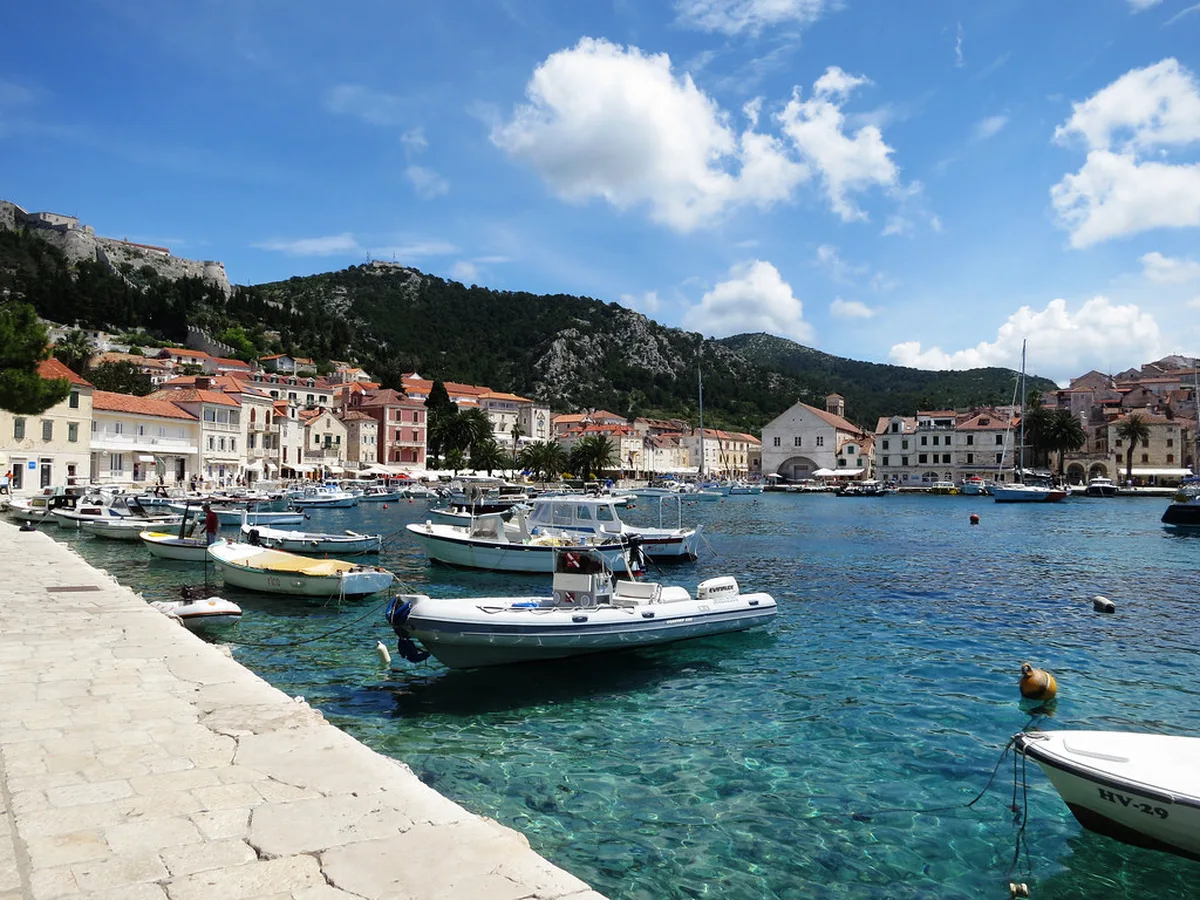
Hvar Town occupies the tip of a sheltered peninsula at the western end of the island, its honey-coloured stone buildings stacked up a hillside behind one of Croatia's most photographed harbours. It is simultaneously a UNESCO-adjacent historic town, a luxury yachting destination, and a nightlife hub — a combination that makes it unlike anywhere else in the Adriatic. For travellers willing to push past the harbour-front crowds and explore at their own pace, Hvar Town rewards deeply.
For a complete overview, see our Hvar Island Croatia travel guide.
How to Get to Hvar Town
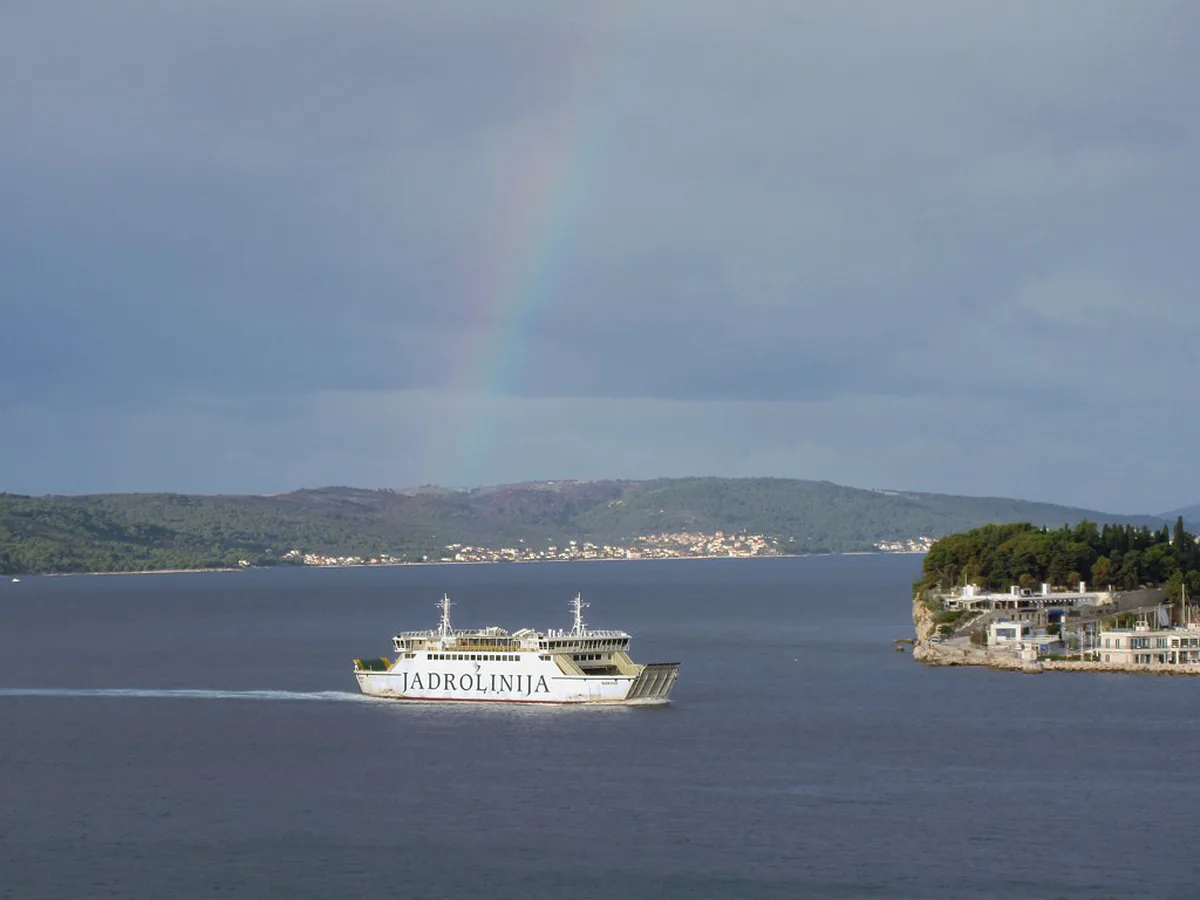
The fastest route to Hvar Town is the passenger catamaran from Split harbour. JADROLINIJA and Krilo both operate this service; the crossing takes approximately one hour and runs multiple times daily, with extra departures in July and August. Tickets cost 50–70 EUR depending on operator and season; book online ahead of peak season as departures sell out. From Dubrovnik, a seasonal catamaran reaches Hvar Town in roughly three hours, calling at Korčula and Makarska en route.
If you arrive by car ferry — which docks at Stari Grad, 20 kilometres east — take the bus or a taxi to reach Hvar Town. The bus journey takes about 45 minutes and runs roughly hourly in summer.
How Long Do You Need in Hvar Town?
One full day is enough to see the main sights at a comfortable pace: the square, cathedral, Arsenal, fortress hike, and harbour walk. Two days lets you add the Pakleni Islands boat trip and evening dining without rushing. Three days allows you to explore the surrounding coast and take a day trip to Stari Grad or the inland lavender villages. If you plan to use Hvar Town as a base for island exploration and day trips, plan for four to five days.
Amazing Things to Do in Hvar Town, Croatia
St. Stephen's Square
Trg Svetog Stjepana — St. Stephen's Square — is the largest piazza in Dalmatia and the undisputed centre of Hvar Town. The square stretches from the harbour waterfront to the steps of the cathedral, measuring roughly 150 metres end to end. It is paved in limestone, lined with Renaissance and Baroque buildings, and ringed by café terraces that fill with people throughout the day and well into the night. In the early morning before the first ferries arrive, the square is almost deserted — the best time to appreciate its scale and the quality of the stone architecture around it.
Cathedral of St. Stephen
The Cathedral of St. Stephen anchors the eastern end of the square. Its origins date to the 13th century, though most of the current structure was built after an Ottoman raid in 1571, which devastated much of the town. The four-storey bell tower is Hvar's most recognisable silhouette and was constructed over several centuries — note how the architectural style shifts from Romanesque at the base to Renaissance at the upper levels. Inside, the cathedral holds a 13th-century icon of the Madonna that locals have venerated for centuries, and a carved polyptych altarpiece of considerable quality. Entry is free outside of Mass times; a small donation is appreciated.
The Arsenal and Venetian Loggia
The Arsenal building on the northern side of St. Stephen's Square was constructed in the late 16th century as a war galley maintenance facility — the Venetian Republic, which controlled Hvar from 1420 to 1797, needed a base for its naval operations in the Adriatic. The ground floor still shows its function as a great open bay once used to winch galleys clear of the water. On the first floor, the Arsenal became home to Europe's first municipal theatre in 1612 — a remarkable fact that speaks to Hvar Town's cultural ambitions under Venetian rule. The theatre still operates today and hosts performances during summer. The loggia projecting from the Arsenal's upper level is one of the finest pieces of Venetian civic architecture outside Venice itself.
Fortica Fortress (Španjola)
Fortica is the Spanish fortress that crowns the hill directly above Hvar Town, visible from the harbour and from as far as the Pakleni Islands. The Venetians built the main structure in the 16th century on the foundations of an older fortification; the Spanish improved it in the 17th century, which accounts for its local name. Entry costs around 60 HRK and is open daily during the tourist season (typically April through October).
The walk up takes 15–20 minutes from the main square via a lane that passes through pine and Mediterranean scrub. The path is steep in places but well maintained. From the battlements, the view encompasses the entire Hvar Town harbour, the Pakleni Islands offshore, Brač to the north, and, on clear days, the mainland mountains. The fortress interior displays a collection of Greco-Illyrian amphoras and other marine archaeology recovered from the surrounding seabed. Allow 90 minutes total for the walk and a proper look around.
Benedictine Convent and Agave Lace
The Benedictine Convent of St. Mary stands above St. Stephen's Square, partially integrated into the old fortification walls on the slope below Fortica. It has been continuously occupied since its founding in the 15th century. The nuns here practice a unique form of needlework: they weave intricate lacework from the fibres of the agave plant (aloa) rather than cotton or linen. The resulting lace is extraordinarily delicate, with patterns of geometric precision, and the tradition is inscribed on UNESCO's Representative List of the Intangible Cultural Heritage of Humanity. The convent is open for visits during limited morning hours — check locally for the current schedule as it changes by season. Small lace pieces are available for purchase directly from the convent; they make among the most authentic souvenirs available anywhere on the island.
The Hvar Town Harbour and Evening Promenade
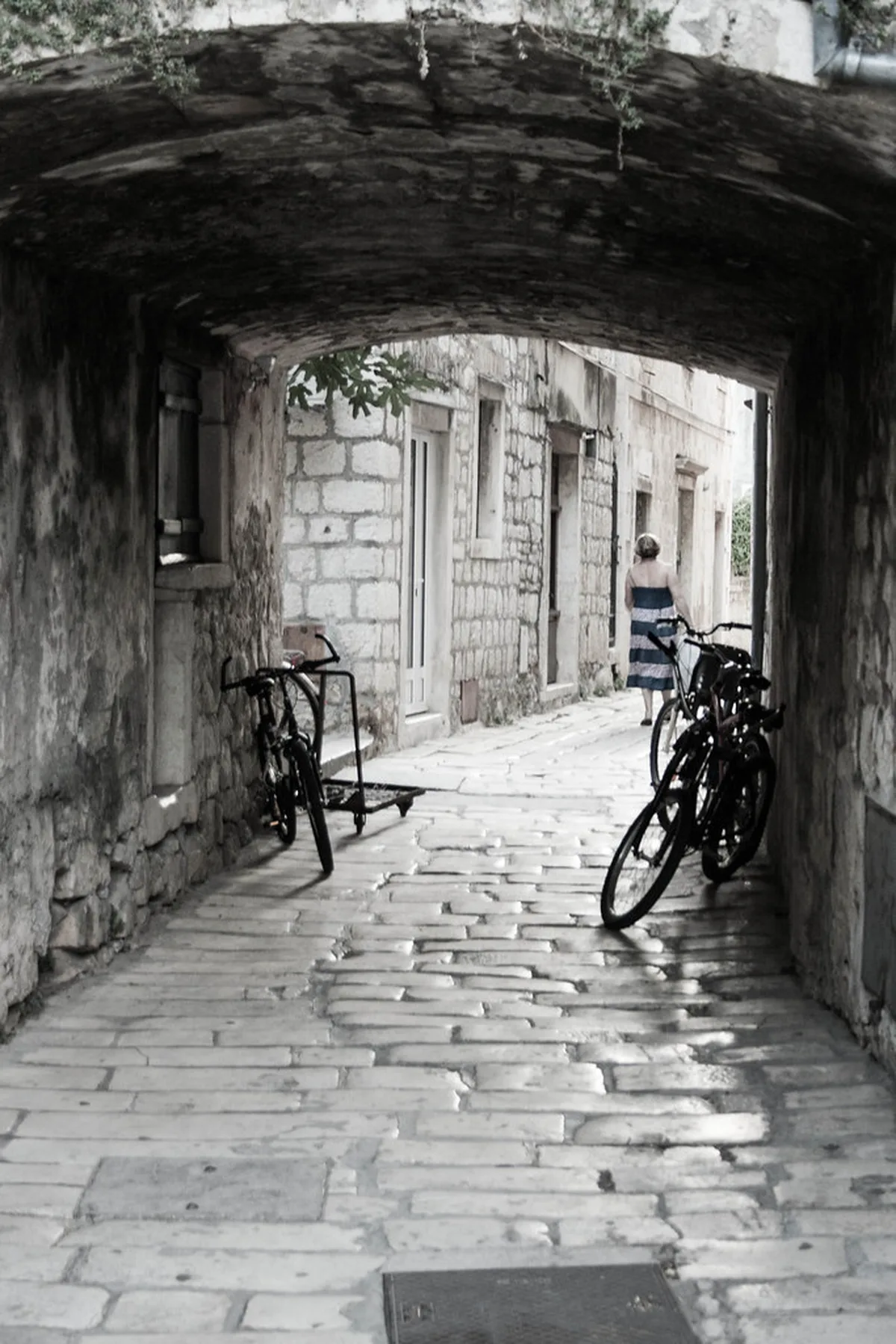
The harbour is the social centre of Hvar Town from late afternoon onward. The Riva — the broad waterfront promenade — is lined with superyachts in high season, their crews mingling with tourists and local fishermen in a way that is entirely characteristic of Hvar. An evening walk along the Riva, turning into the lanes behind the harbour and back out toward the catamaran pier, is one of those simple pleasures that makes a place memorable. The light on the water in the hour before sunset is exceptional.
Best Restaurants in Hvar Town
The restaurants directly on St. Stephen's Square charge a premium for their location and, in high season, can feel more tourist-oriented than the establishments tucked into the lanes behind the harbour. For well-priced fresh fish and Dalmatian cooking, head one or two blocks back from the waterfront. Konoba Menego in the old lanes is one of the most-cited recommendations for authentic local food — grilled fish, sheep's cheese, and local wine in a stone-walled dining room. Gariful on the harbour is the long-established choice for a special-occasion seafood dinner with impeccable service. For a more casual meal, the small konoba in the lanes north of the square serve good grilled octopus and local pasticada (braised beef in sweet wine sauce) at fair prices.
Where to Stay in Hvar Town, Croatia
💡 Pro Tip: Book your Hvar adventures in advance through Viator for the best deals!
Hvar Town's hotel landscape ranges from basic rooms above harbour bars to five-star boutique hotels in converted stone palaces. The Adriana Hvar Spa Hotel and the Palace Elisabeth are among the most established luxury options, both with harbour views and rooftop pools. Mid-range travellers will find private apartments and small guesthouses throughout the old town and in the residential area east of the historic centre — these typically offer better value than hotels and often include air conditioning, kitchen access, and free Wi-Fi. Book any accommodation in Hvar Town at least three months ahead for July and August.
The Evening Promenade in Hvar Town
The passeggiata — the evening stroll — is a daily ritual in Hvar Town that most visitors stumble into without quite realising what they are witnessing. From around 18:30, the Riva (harbour promenade) fills with a flowing mix of locals, yacht crews, and visitors, all moving at the same unhurried pace. The superyachts light up along the quay; families push prams along the wide waterfront; teenagers gather at the steps by the catamaran pier; and café tables spill further onto the Riva as the cooks shift from lunch service to dinner preparation. The quality of the evening light in June and September — amber, low-angle, catching the honey-stone of the cathedral and Arsenal — makes this hour genuinely beautiful.
The best route for an evening circuit: begin at the eastern end of St. Stephen's Square at the cathedral steps, walk the full length of the square toward the harbour, turn right along the Riva past the yachts, continue to the Franciscan monastery garden wall at the western tip of the harbour, then return through the lanes behind the main harbour front — Ulica Matije Ivanića and the parallel alleys contain some of the best independent restaurants and wine bars. Complete the circuit at the Arsenal loggia, which is often illuminated in the evening and worth a stop. The whole walk takes 45–60 minutes at a social pace.
Restaurant Recommendations in Hvar Town
💡 Pro Tip: Book your Hvar adventures in advance through Viator for the best deals!
Hvar Town has dozens of restaurants, but quality and value vary enormously. The establishments directly on St. Stephen's Square and the harbour front charge a significant location premium — the food is often good but the price-to-quality ratio is rarely the best on the island.
Konoba Menego is among the most consistently recommended restaurants in Hvar Town for authentic Dalmatian food at fair prices. It is set in a stone-walled room in the old lanes above the square, decorated with antique domestic items from island households. The menu leans traditional: sheep's cheese from the island, prosciutto cured in the Dalmatian style, black risotto (crni rižot) made with cuttlefish ink, grilled fish of the day, and pasticada — slow-braised beef in a sweet wine and prune sauce that is one of Dalmatia's signature dishes. Portions are generous; a full meal with local wine costs €25–40 per person. No reservations — queue early or arrive after 20:30 when the first sitting turns over.
Hvar Grill (also known locally as Konoba Hvar Grill) occupies a terrace above the main harbour lane and specialises in wood-fired grilled meats and fish. It is notably less expensive than the harbour-front restaurants while maintaining good quality. The mixed grill platter (miješano meso) and the whole sea bass are consistently well-rated. The terrace has partial harbour views without the full harbour-front surcharge. Reservations accepted and worth making for July and August evenings.
Gariful on the harbour is the island's long-established fine-dining choice for seafood — widely considered the best in Hvar Town for a special occasion dinner. The fish is impeccably fresh, the service formal without being stiff, and the wine list includes older vintages of island Plavac Mali. Expect to pay €50–80 per person for a full dinner. Book at least 48 hours in advance for July and August.
For casual eating, the small pizzerias and sandwich bars on the lane running north from the square (toward the fortress path) serve quick, inexpensive meals — useful for lunch before a beach afternoon or a late-night snack after the bars.
What to Buy in Hvar Town
Hvar Town has a concentration of genuinely good local products that make memorable and practical souvenirs — more so than the generic tourist items found on the harbour front.
Lavender products are the island's most distinctive offering. The lavender is grown and distilled in the inland villages and sold in Hvar Town in various forms: essential oil (look for bottles labelled "100% eterično ulje lavande" — pure essential oil, not a blend), dried sachets, lavender honey, lavender-scented soaps, and cosmetics. Quality varies; buy from specialist lavender shops or directly from producers at the weekly market rather than from general souvenir stalls. A 10ml bottle of genuine island lavender oil costs €8–15.
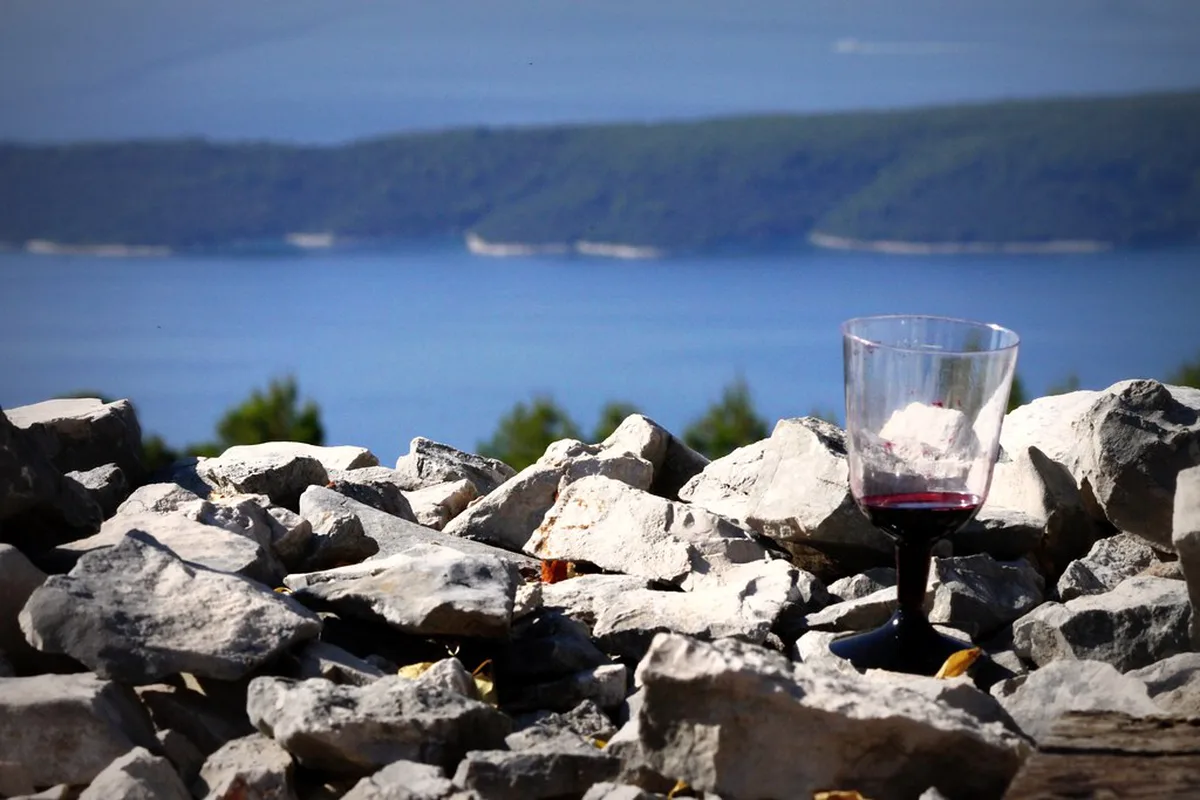
Local wine is another excellent purchase. Bogdanuša (white) and Plavac Mali (red) are the island's signature varieties. Look for bottles from Zlatan Otok — a well-known Hvar producer with reliable quality across price points — or ask in a wine shop for recommendations from smaller family producers on the south-facing Sveta Nedjelja slope. A bottle of good island Plavac Mali costs €10–20 from a wine shop; the same bottle in a restaurant will be €25–50. The local wine shops near the market square offer better selection and prices than the tourist gift shops on the harbour front.
Agave lacework from the Benedictine Convent is among the most authentic artisan products available on the island. The nuns produce a small quantity each year from hand-prepared agave fibres; pieces range from small decorative items (€20–50) to larger works that can take weeks to produce (several hundred euros). Buying directly from the convent ensures authenticity and supports the continuation of a UNESCO-listed tradition.
Paška sol (Pag island salt) and island olive oil are practical food souvenirs available from the market and better food shops. The weekly open-air market near the bus stop area also sells local produce — seasonal fruit, dried figs, and homemade rakija (fruit brandy) from island households.
Hvar Trip Planning Essentials FAQ
The most common practical questions about Hvar Town: the old town streets are closed to private vehicles, so arriving by catamaran is actually more convenient than arriving by car (which must be parked outside town or left at Stari Grad). The ferry pier is within five minutes' walk of the square. Most restaurants and shops accept card payments. Pharmacies and a medical centre are in the town; the nearest hospital is in Split. Tap water is safe to drink. The best free beach near the town centre is in the bay east of the harbour, just beyond the Hotel Amfora.
In this guide: