Dubrovnik to Split by the Coast: The Ultimate Dalmatian Road Trip for 2026
The stretch of Adriatic coast between Dubrovnik and Split is one of the best road-trip corridors in southern Europe. On paper it is only about 230 kilometres of tarmac, and a non-stop drive takes under four hours. In practice, most travellers who attempt it in one push arrive feeling cheated — because every bend of this coastline rewards a stop. Oyster beds in quiet bays, Venetian-era salt pans, mile-long pebble beaches, and vineyards producing some of Croatia's most distinctive wines all line the route.
This 2026 guide covers the route as a classic self-drive trip of three to five days — the practicalities, the best overnight bases, and the stops most people miss because the motorway is too tempting.
Why Drive Instead of Fly or Bus?
There are daily flights between Dubrovnik and Split, and both cities have long-distance bus terminals with frequent services. Either option will get you between the two in about an hour in the air or three and a half hours on the coach. But most of what makes Dalmatia worth visiting lies in the space between the two cities, not in them — Ston, Mali Ston, Orebić, Makarska, Omiš, Brela. A hired car turns them into the trip itself. Rental in 2026 runs €35–55 per day for a small hatchback with one-way drop between Dubrovnik and Split airports, and fuel for the full route is around €30.
The Two Routes North from Dubrovnik
The first strategic decision is how to leave Dubrovnik. Until 2022, there was only one real option: the old Adriatic Highway (the D8), which hugs the coastline through the Bosnian corridor at Neum and required passport checks in each direction. That road still exists and remains one of the most scenic drives in Europe, but the 2022 opening of the Pelješac Bridge changed the default. Most drivers now take the new route through Ston and across the bridge, avoiding the Neum border crossing entirely.
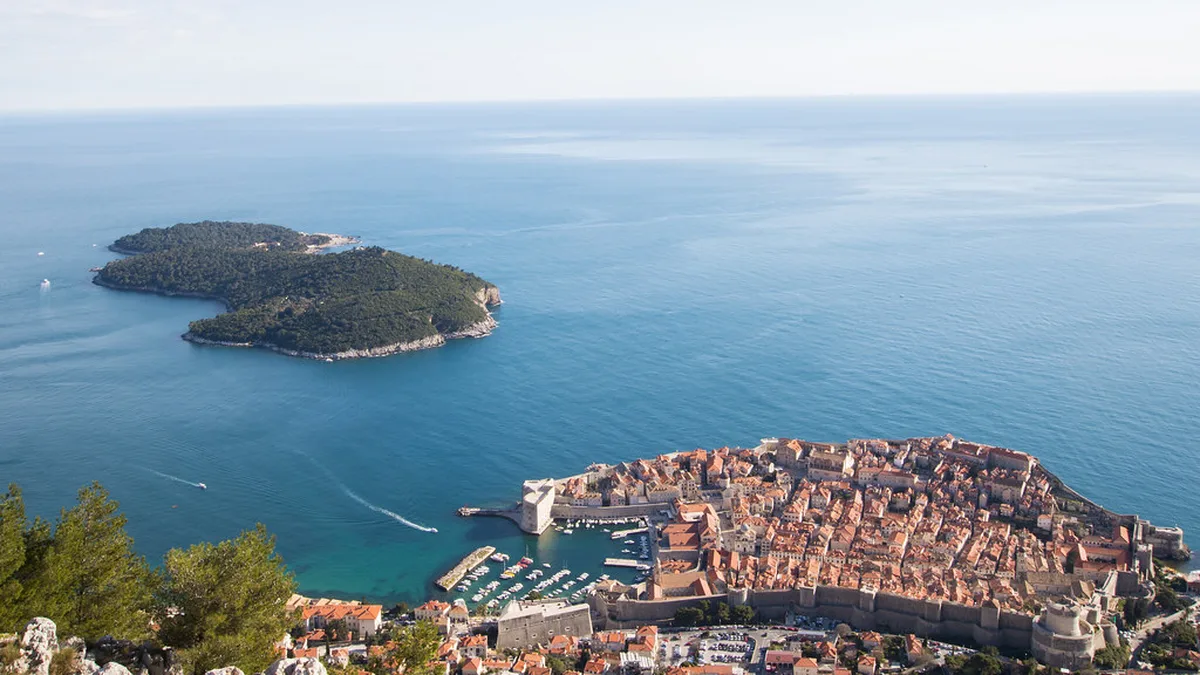
Before leaving, it is worth spending at least one full day inside Dubrovnik's walls; the old town rewards slow walking and the views from the ramparts in late afternoon are unforgettable. A focused three-day Dubrovnik itinerary from a specialist city guide is a useful planning anchor if you are short on time — it covers the wall circuit, Lokrum Island, and the Lapad sunset walk in a sequence that avoids cruise-ship crowds.
Once you are ready to head north, give yourself a relaxed morning departure. Traffic around Dubrovnik's old town is notoriously slow, and the journey's best stops are all within the first 90 minutes of driving.
Stop 1: Ston and Mali Ston — Walls, Salt, and Oysters
Sixty kilometres northwest of Dubrovnik, the twin villages of Ston and Mali Ston sit at the narrow neck of the Pelješac Peninsula. Ston is famous for two things that rarely appear in the same sentence: medieval defensive walls and oysters. The walls, begun in the 14th century to protect the Republic of Ragusa's salt pans, stretch more than five kilometres across the peninsula and are the longest preserved fortress system in Europe. You can walk the circuit in about 90 minutes; the entrance fee is €10 and the views of the salt pans and the vineyard-covered slopes of Pelješac are exceptional.
The salt pans are still worked by hand. Just across the inlet, Mali Ston is the epicentre of Croatia's oyster industry — the bay's mix of fresh and salt water produces European flat oysters (Ostrea edulis) of outstanding quality, served at a dozen waterfront konobas for €1.50–2 per piece. Order a plate with a glass of Pošip white wine from the peninsula and you have one of Croatia's quintessential lunches. Allow two to three hours for the combined Ston stop.
Stop 2: The Pelješac Peninsula — Wine Country
💡 Pro Tip: Book your Dubrovnik adventures in advance through Viator for the best deals!
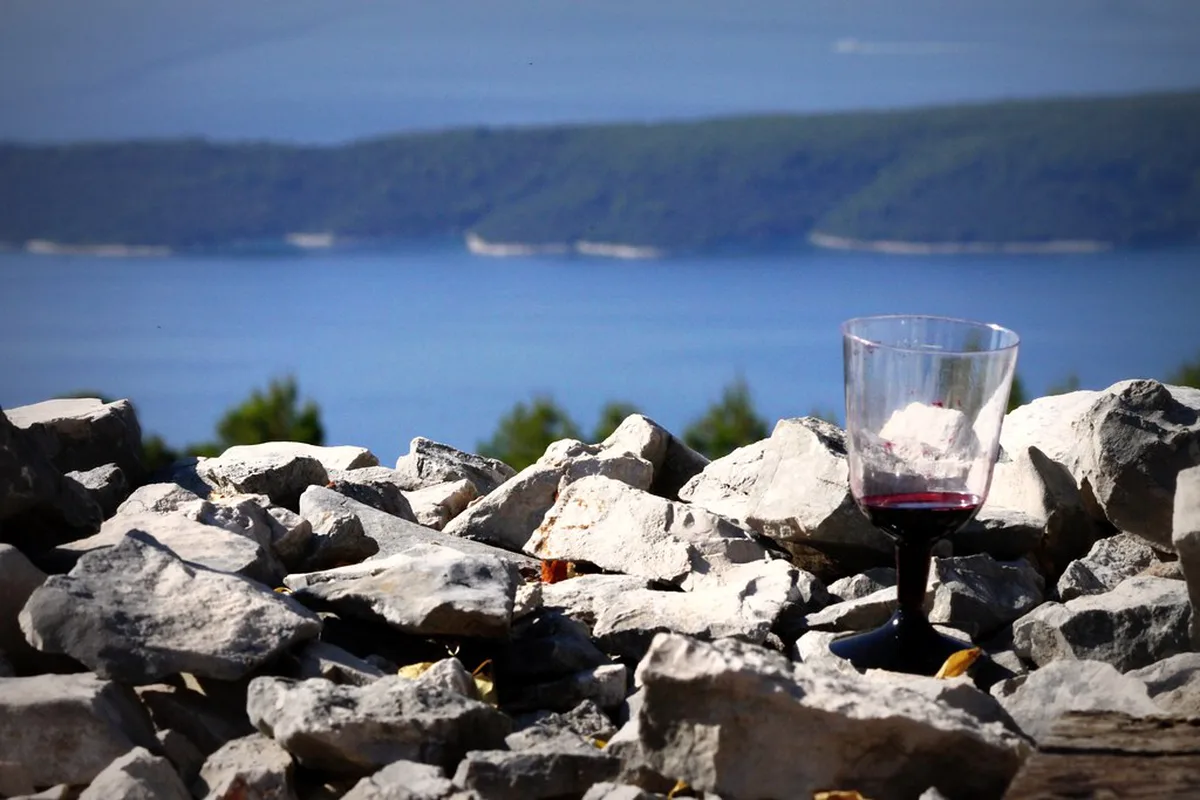
Past Ston, the road runs the length of the Pelješac Peninsula through some of Croatia's most celebrated wine country. The indigenous red grape here is Plavac Mali, a descendant of Zinfandel, and the steepest coastal vineyards in the country — at Dingač and Postup — produce powerful, sun-soaked reds. Several family wineries between Potomje and Dingač offer drop-in tastings for €10–20 per person; reservations are recommended in peak summer.
For a single detour, leave the main road at Potomje and take the narrow tunnel down to the Dingač terraces — a near-vertical wall of vines dropping to the sea. Alternatively, continue toward Orebić at the peninsula's western tip, the ferry port for Korčula Island (a 15-minute crossing for a superb half-day side trip).
Stop 3: The Pelješac Bridge and the Neretva Delta
The Pelješac Bridge, opened in July 2022, is the engineering centrepiece of this route. Its 2.4 kilometres of cable-stayed span connect the peninsula to the mainland near Komarna, bypassing the Bosnian corridor entirely. There is no toll, and the scale is worth a brief photo stop from one of the laybys near its southern approach.
Immediately north of the bridge, the Neretva River meets the sea in a broad delta of canals, reed beds, and fruit orchards — Croatia's principal fruit-growing region, with tangerines, peaches, and figs stacked at roadside stalls in autumn. The small town of Opuzen makes a good lunch stop; try a plate of eel cooked in the local brodet (stew) style, a Neretva speciality.
Stop 4: Ploče, Gradac, and the Makarska Riviera
From Ploče, the coast straightens into the Makarska Riviera: 60 kilometres of pebble beaches backed by the sheer limestone wall of the Biokovo range, which rises from sea level to 1,762 metres within five horizontal kilometres. Gradac, at the southern end, has the longest continuous beach in Dalmatia. Brela, further north, is the riviera's most photographed resort, with Punta Rata beach consistently ranked among Europe's top-ten swim beaches. Makarska town itself sits in a horseshoe bay with the best infrastructure — promenade, restaurants, and ferry services to Brač.
Driving in Makarska in peak summer can be frustrating; the main road narrows and traffic crawls. In shoulder seasons it moves freely. If you have a spare half-day, the road behind Makarska climbs into Biokovo Nature Park and up to Sveti Jure (1,762 metres) — one of the most spectacular mountain drives in Europe, with the Skywalk glass platform hanging over a 1,228-metre drop.
Stop 5: Omiš — Pirates, Canyons, and the Cetina River
💡 Pro Tip: Book your Dubrovnik adventures in advance through Viator for the best deals!
Thirty kilometres south of Split, the Cetina River breaks through the coastal mountains at Omiš. For centuries this narrow gorge was the lair of the Omiš pirates, who levied tolls on passing Venetian and Ragusan ships and built two clifftop fortresses — Mirabela and Starigrad — whose ruins still loom over the town. The hike up to Mirabela takes about 15 minutes and rewards effort with a stunning view back down the gorge.
Omiš is also Croatia's capital of river adventure sports: rafting on the Cetina (€35–45 per person, three hours on the water) runs April through October, along with canyoning and zip-lining across the gorge. Stopping for an afternoon rafting trip is an excellent way to reset before the final push to Split.
Arriving in Split
The final 30 kilometres from Omiš to Split are straightforward. The D8 becomes urban dual carriageway as you enter the metropolitan area; signage toward the historic centre (Centar, Dioklecijanova palača) is clear. Park in one of the large garages near the harbour rather than attempting to drive into the old town, which is a UNESCO-listed pedestrian zone built inside the walls of Diocletian's 4th-century retirement palace.
Split rewards at least two full nights. The palace itself is the obvious headline — a living Roman ruin still used as streets, apartments, and shops 1,700 years after its construction — but the city also has an exceptional seafront, a beach at Bačvice, and some of Croatia's best food markets. A detailed Split old town guide is worth consulting for the less obvious corners — the temple of Jupiter, the Cathedral bell tower climb, and the quieter Veli Varoš quarter above the Riva.
Driving Practicalities for 2026
Croatia drives on the right. Speed limits are generally 50 km/h in built-up areas, 90 km/h on coastal roads, 110 km/h on faster sections, and 130 km/h on the A1 motorway. Seat belts are compulsory for all passengers, dipped headlights must be used in daylight from late October to late March, and the drink-drive limit is 0.5 g/l (zero for drivers under 25). Croatia is in the Schengen zone and uses the euro.
Parking in old towns is limited and strictly enforced. In Dubrovnik, use the Ilijina Glavica garage; in Split, use the marked garages near the harbour; in Makarska and Omiš, paid street parking with a ticket machine is the norm. Petrol stations on the D8 and A1 accept all major European cards.
Suggested Itineraries
- Three days: Dubrovnik → Ston and Pelješac wine tasting, overnight in Orebić → Pelješac Bridge, Makarska Riviera swim stop, Omiš, Split. Fast-paced but covers the headlines.
- Five days: As above, plus a Korčula Island overnight from Orebić and a full day on the Makarska Riviera with the Biokovo Skywalk drive. The sweet spot for most travellers.
- Seven days: Add a day in Dubrovnik for Lokrum Island and Mount Srđ, plus a second day in Split for Trogir and Klis Fortress.
When to Drive the Route
June and September are optimal: sea temperatures are warm (22–25°C), the weather is reliably sunny, and the roads are manageable. July and August are peak season — expect heavy traffic around Makarska, full car parks at major stops, and accommodation prices 30–50% higher than shoulder season. May and October are excellent for landscape and food over swimming. Avoid January and February, when many coastal hotels and restaurants close.
Where to Stay Along the Route
💡 Pro Tip: Book your Dubrovnik adventures in advance through Viator for the best deals!
The best overnight bases, from south to north, are: Mali Ston (tiny, food-focused, two or three small boutique inns); Orebić (mid-range hotels with Korčula views); Makarska (the largest selection, from budget apartments to four-star hotels on the Riva); and Omiš (quiet old-town guesthouses near the Cetina mouth). Trogir, 30 kilometres northwest of Split, is also worth considering as a final night instead of Split itself — the walled old town is UNESCO-listed and calmer than central Split in the evening.
Final Thoughts
There is a version of this trip — motorway, tunnel, tunnel, tunnel, Split by early afternoon — that misses everything that makes the Dalmatian coast worth visiting. There is another version, only a day or two longer, that slows the drive enough to taste the oysters at Mali Ston, walk a medieval wall above a working salt pan, swim below the Biokovo cliffs, and arrive in Split already half in love with Dalmatia. The second version is the one to plan.