What Makes Hallstatt So Special
Hallstatt is a village of roughly 800 people perched between the Hallstätter See and the steep cliffs of the Dachstein Alps in Austria's Salzkammergut region. It has been a UNESCO World Heritage Site since 1997, a designation it shares with the surrounding lake and mountain landscape. The village is ancient — people have lived here for over 7,000 years, drawn by the salt deposits that made this remote valley wealthy long before Austria existed as a nation.
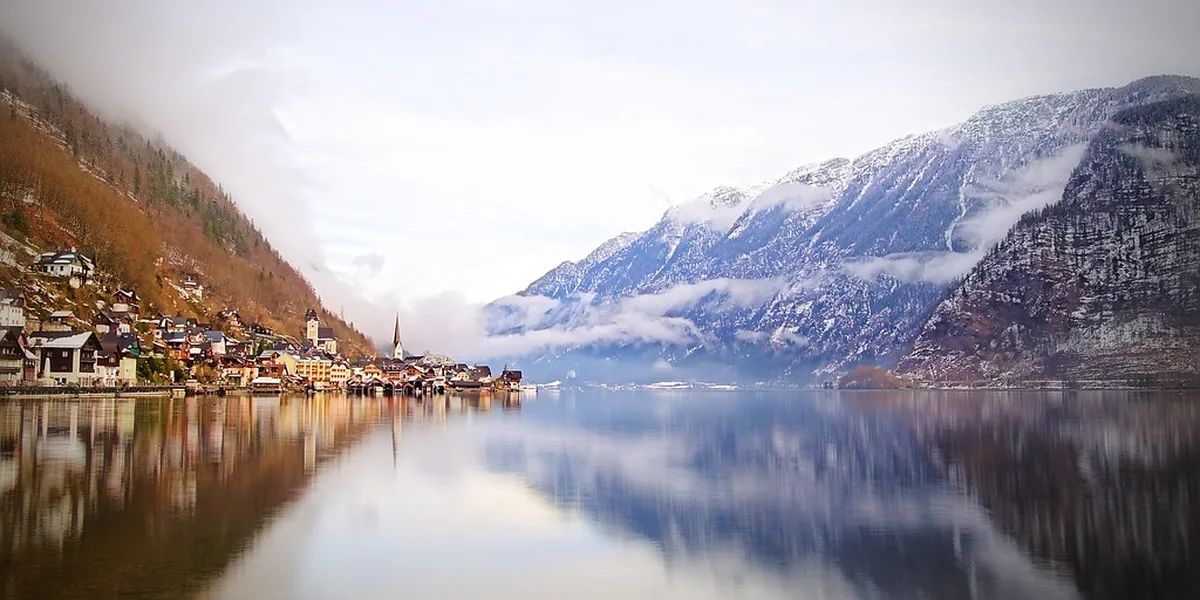
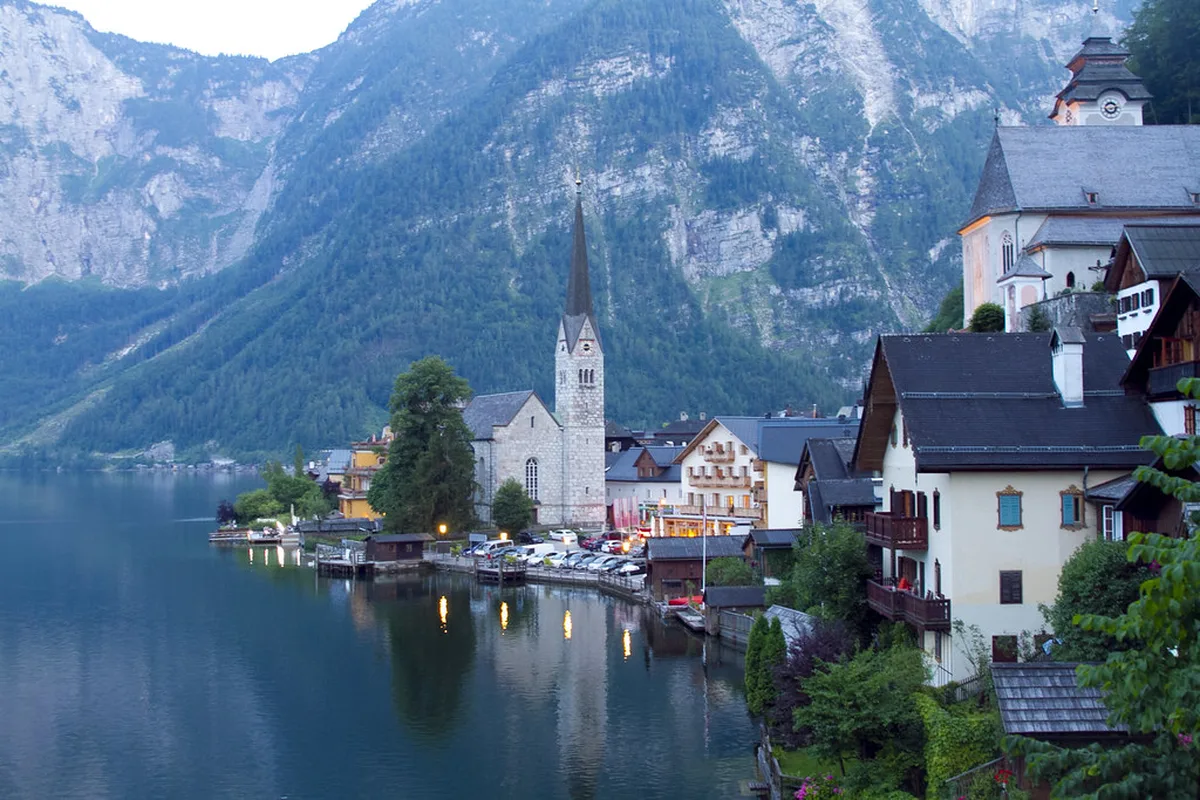
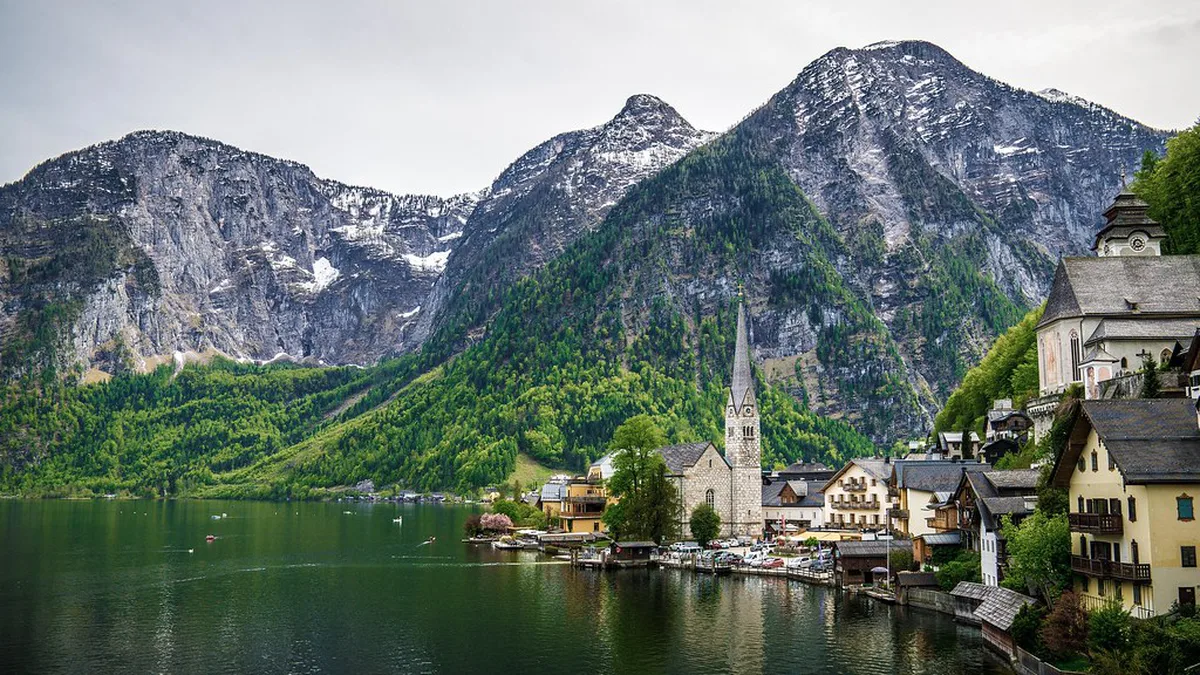
The image most people recognise is the view from the boat dock on the eastern shore of the lake: pastel-coloured houses stacked improbably on the narrow strip of land between the water and the cliff face, with the white spire of the Catholic parish church reflected perfectly in the still water at dawn. That photograph has been shared millions of times. It has also made Hallstatt one of the most visited small towns in the world, relative to its population.
Understanding both sides of Hallstatt — the genuine beauty and the very real crowding — is the key to visiting it well.
The Iconic Hallstatt Viewpoint
The classic photograph of Hallstatt is taken from the lakeside, roughly in front of the ferry dock on the northern end of the market square. The best light falls on the church spire and the colourful facades in the early morning, when the lake surface is calm and the day-trippers have not yet arrived. By 9am in summer, the area around the dock is crowded. By 11am, it is heaving.
If you are staying overnight in or near Hallstatt, set an alarm and walk to the dock before 7am. You will likely have the view almost to yourself. The reflection of the church spire in the Hallstätter See at that hour, with mist still hanging on the mountains behind, is as good as any photograph suggests.
A second view of the village — from above — is available from the Skywalk viewpoint on the Salzberg mountain. This requires taking the funicular and walking a short trail, but the elevated perspective is entirely different from the dock view and equally striking.
Hallstatt Skywalk viewpointHallstatt Salt Mine: 3,500 Years of History Underground
The Salzwelten Hallstatt salt mine is the oldest in the world still open to visitors. Mining here began in the Bronze Age, around 1500 BC, and the name "Hallstatt" derives from the Celtic word for salt. The prehistoric finds recovered from this mountain — tools, clothing, and the preserved remains of ancient miners — gave their name to an entire European cultural era: the Hallstatt period, roughly 800–450 BC.
The mine tour takes approximately 90 minutes. Visitors wear provided overalls, walk through illuminated tunnels, and descend the mountain via traditional wooden mine slides — an experience that children find genuinely thrilling and adults typically enjoy far more than they expect. The underground salt lake inside the mountain is an unusual highlight.
The mine sits high on the Salzberg mountain above the village. Visitors reach it via funicular from the southern end of town. Tickets including the funicular and mine tour cost approximately €35 per adult in 2026. Booking ahead is essential in July and August — spaces fill days in advance.
Hallstatt Salt Mine guideThings to Do in Hallstatt
🎯 Insider Tip: Discover the best Hallstatt experiences with Viator Tours!
Beyond the viewpoint and salt mine, Hallstatt has a surprisingly full menu of activities for a village of its size. The Hallstatt Museum on the market square holds an exceptional collection of prehistoric artefacts, including Bronze Age tools and the famous Celtic finds from the salt mine excavations. The Beinhaus, or Charnel House, attached to the Catholic church is one of the most unusual sights in Austria — a small chapel whose walls are lined with decorated human skulls, a tradition maintained here since the 18th century when the village's limited burial land required exhumation and artistic commemoration of the dead.
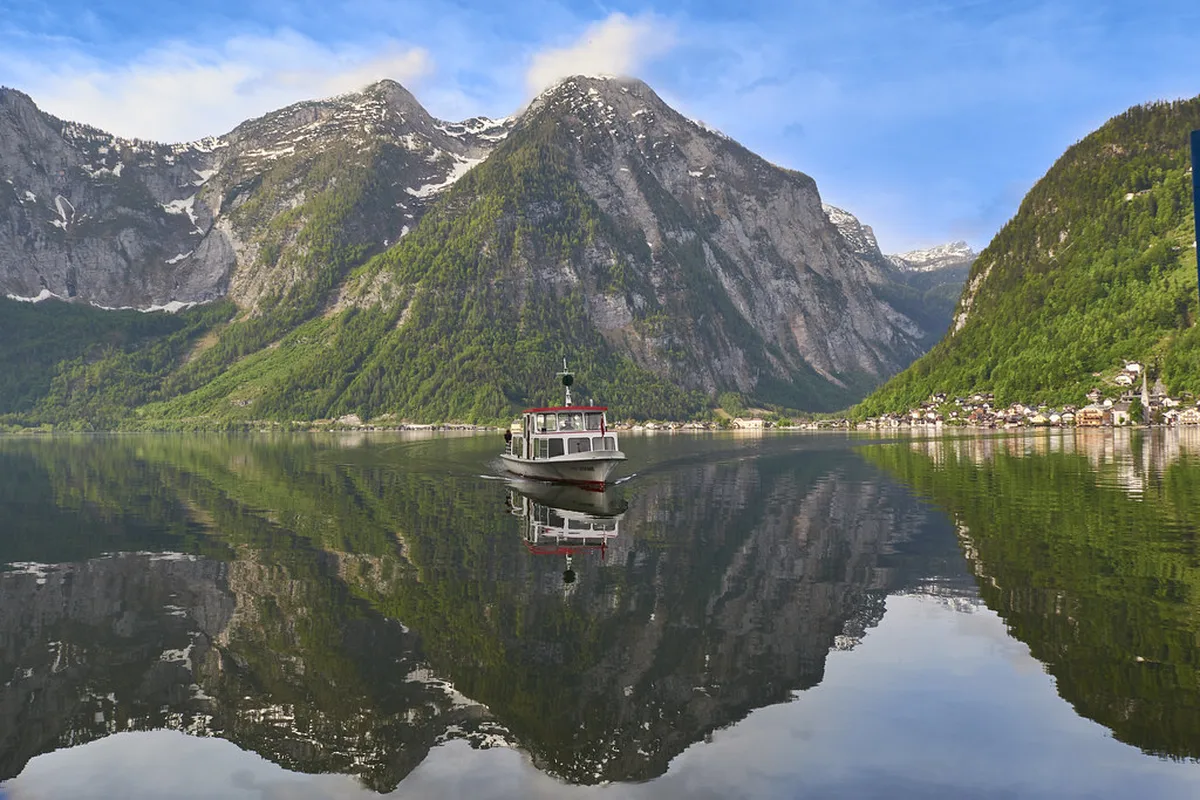
The lake itself offers kayaking, paddleboarding, and electric boat hire. A walk along the lakeside promenade at the southern end of town, away from the tourist concentration, gives a more peaceful view of the water and the mountains. Several hiking trails depart from the Salzberg area above the village.
things to do in HallstattGetting to Hallstatt
Hallstatt does not have a direct train station in the village. The nearest rail station, Hallstatt Bahnhof, sits on the opposite shore of the lake and is reached by a short ferry crossing — about 10 minutes — that meets arriving trains. From Salzburg, the most practical route by public transport combines a bus to Bad Ischl and a connecting bus to Hallstatt. From Vienna, the train to Attnang-Puchheim and onward to Hallstatt Bahnhof takes approximately three hours, then the ferry completes the journey.
Driving is possible but parking is severely limited. The village's main car parks fill before 9am on summer weekends. The Lahn car park at the southern entrance to the village is the primary option, and park-and-ride arrangements operate in peak season. In summer, many visitors are turned away from parking entirely.
getting to HallstattWhen to Visit Hallstatt
The honest answer is: not in July or August if you value a peaceful experience. Those months see upwards of 10,000 visitors per day arriving in a village whose permanent population is around 800. The local government has debated tourist caps. The crowds are not a rumour or an exaggeration — they are a genuine feature of peak-season Hallstatt that will define your visit unless you plan carefully.
The best-kept secret about Hallstatt is winter. December brings snow to the mountains and quiet to the village streets. The Christmas market, held on the market square in late November and early December, is one of Austria's most charming. January and February are cold but peaceful, and the lake freezes in exceptionally cold years.
April, May, and October offer a reasonable middle ground: fewer crowds than summer, comfortable temperatures for walking, and the surrounding landscape at its most dramatic — spring flowers or autumn colour against the grey-green lake.
best time to visit HallstattDay Trips from Hallstatt
🎯 Insider Tip: Discover the best Hallstatt experiences with Viator Tours!
Hallstatt's location in the Salzkammergut places it within easy reach of several outstanding destinations. The Dachstein Ice Cave and Mammoth Cave, accessible by cable car from nearby Obertraun, are 30 minutes away by car and offer an entirely different perspective on the limestone mountains that frame the lake. Bad Ischl, the former summer residence of Emperor Franz Joseph, is a handsome spa town 30 minutes away with excellent cafes and a relaxed atmosphere that provides welcome contrast to Hallstatt's crowds. Salzburg — Mozart, the Old Town, and the Hohensalzburg fortress — is about 90 minutes away and makes a practical full-day excursion.
day trips from HallstattWhere to Stay in Hallstatt
Accommodation inside Hallstatt village is limited, expensive, and books out many months in advance for peak summer dates. The few guesthouses and small hotels in the village command premium prices partly because of their location and partly because of scarcity. If staying in the village matters to you — particularly for the early-morning dock view — book six months or more in advance for July and August.
Bad Ischl, 30 minutes away by road, offers a far wider range of accommodation at significantly lower prices. Staying there and driving or busing to Hallstatt for an early-morning visit is a practical alternative that many experienced visitors prefer. It also means you can leave when the crowds arrive and return in the late afternoon when day-trippers are departing.
where to stay in HallstattPractical Information for Visiting Hallstatt in 2026
Entry and Fees
There is no charge to enter Hallstatt village. The main paid attractions are the salt mine and funicular (approximately €35 combined in 2026), the Hallstatt Museum (approximately €10), and the Dachstein cable car if visiting nearby. The ferry from Hallstatt Bahnhof costs a few euros and is operated to meet trains.
Crowds and Timing
In summer, arrive before 9am or after 5pm. Weekday visits are noticeably less crowded than weekends. Travelling in May, June (before school holidays), September, or October dramatically reduces the density of visitors without sacrificing good weather. Winter visits from December to February offer the most peaceful experience and frequently the most photogenic — snow on the rooftops and ice forming at the lake edges.
Photography
The famous dock view faces roughly east and is lit best in the morning. The Skywalk platform above the village faces roughly west and is better in late afternoon. Both benefit from overcast light, which eliminates harsh shadows and intensifies colour.
Accessibility
The village is compact but the terrain is steep. The main market street is flat, but most routes toward accommodation or the funicular involve significant steps or gradients. The salt mine and Skywalk platform both involve walking on uneven terrain. The funicular provides the only practical access to the Salzberg area for visitors with mobility limitations.
Hallstatt in Winter
Winter is Hallstatt's best-kept secret. Between December and February, the village population drops back to its permanent 800 residents and the atmosphere shifts entirely. The coach parks empty, the dock viewpoint belongs to whoever chooses to stand there, and the mountains close in around the lake with a silence that is difficult to find anywhere else in Austria.
The Christmas market — the Hallstatt Advent — runs from late November through mid-December on the Marktplatz. Wooden stalls sell hand-carved ornaments, beeswax candles, mulled wine (Glühwein), and traditional Austrian pastries against the backdrop of the lit church facade and the dark lake beyond. It is considered one of the most atmospheric Christmas markets in the country, precisely because of its scale: intimate rather than overwhelming, the way the best Austrian Advent markets are.
In January and February, crowds are minimal even on weekends. The funicular runs on reduced hours but still operates, and the Skywalk platform in snow offers a version of the view that photographs cannot fully reproduce — the lake in deep winter grey-green, the rooftops white, and the mountains reflected in water that hasn't yet frozen. In exceptionally cold years — the kind of winter that comes perhaps once a decade — the Hallstätter See freezes over, transforming the lake surface into a vast ice sheet. When this happens, local residents walk across it. Visitors who time their trip to a frozen lake year have an experience that most people who visit Hallstatt in summer do not know is possible.
Practical notes for a winter visit: the funicular may close briefly in very icy conditions; check Hallstatt.net for current status. The Salzwelten salt mine operates year-round, and in winter it is often warmer underground than above. Many restaurants and guesthouses reduce their hours or close entirely in January and February — check ahead and book dinner in the village before arriving. The ferry from Hallstatt Bahnhof continues to run unless the lake freezes.
Photography Guide to Hallstatt
Hallstatt offers several distinct photographic perspectives, each working best at a different time of day and from a different location. Understanding which spot to prioritise — and when — saves significant frustration and produces better results than simply arriving and pointing a camera wherever the crowds are.
The Boat Dock at Dawn
The classic Hallstatt image is taken from the lakeside immediately in front of the ferry dock, at the northern end of the market square. The subject is the white Catholic church spire reflected in the Hallstätter See, with the village facades stacked against the cliff face. This composition works best in the early morning for two reasons: the light falls from the east across the church facade, and the lake surface is calm before boat traffic begins. Arrive before 7am in summer. In late spring and autumn, even earlier starts produce mist on the water that elevates the photograph considerably. A small tripod or a steady railing is useful for long-exposure shots in low light. The composition is essentially fixed — a wide lens at roughly eye level facing north-northeast. The variables are light, mist, and whether anyone is standing in your frame.
World Heritage View Platform
The Skywalk on the Salzberg mountain offers the opposite perspective: the village from above. The platform faces west-northwest, which makes late afternoon the ideal time — when the sun drops toward the mountains behind you and illuminates the village rooftops and the lake with warm, horizontal light. The view encompasses the full length of the Hallstätter See (approximately 8 kilometres), the compact geometry of the village, and the Dachstein glacier to the south on clear days. A wide-angle lens or smartphone at maximum wide captures the panorama. A short telephoto (equivalent to 70–85mm) isolates the church spire and the village cluster from above for a tighter, more graphic composition.
Funicular Viewpoint
The Salzbergbahn funicular itself offers a brief but striking view as it ascends: the village and lake drop away below in a perspective that is impossible to replicate from any fixed point. The funicular car has windows on both sides. As the car rises, the lake appears framed by the cliff face in a way that rewards a wide lens and fast shutter speed (the car vibrates slightly). This is an overlooked spot — most photographers are saving their battery for the Skywalk platform itself.
General photography notes: overcast light produces richer, more even colour than harsh midday sun, and eliminates the blown-out sky problem that affects many Hallstatt shots taken between 11am and 3pm. The village faces east, so morning is the best time for the dock view regardless of season. Autumn mist on the lake is available from September through November on still mornings and adds an atmospheric quality that summer visitors rarely see.
Hallstatt Food and Restaurants
🎯 Insider Tip: Discover the best Hallstatt experiences with Viator Tours!
Hallstatt's restaurant scene is small and, in peak summer, under considerable pressure. The village has perhaps a dozen places to eat, ranging from lakeside terrace restaurants to simple cafe-bakeries. Most fill quickly at lunch (12pm–2pm) when day-tripper coaches are on the ground. Booking ahead for dinner — or arriving before noon for lunch — is strongly advisable in July and August.
Gasthof Simony
One of Hallstatt's most established dining options, the Gasthof Simony occupies a traditional building on the market square. The restaurant serves Austrian classics — Wiener Schnitzel, Tafelspitz, fresh lake fish — in a dining room with wooden beams and the unhurried atmosphere of a genuine Gasthaus rather than a tourist canteen. The terrace overlooking the square is the better seat in summer. Mains run approximately €18–28. Dinner reservations are advisable in peak season.
Seehotel Grüner Baum
The Seehotel Grüner Baum is Hallstatt's most prominent lakeside hotel and has a restaurant open to non-residents. The terrace extends over the lake on the northern shore, giving unobstructed views of the water and the mountains. The menu focuses on lake fish (Reinanke and Saibling — local whitefish and char), Austrian regional dishes, and a wine list that includes local Salzkammergut vintages. Prices are at the higher end for the village — mains €22–35 — but the lakeside terrace justifies the premium for a special meal. Reservations essential in summer.
Hallstatt Bäckerei
For a simpler option, the local bakery on the market square opens early and serves fresh bread, pastries, and coffee from around 7am — the same time the first serious photographers are arriving at the dock. Semmeln (Austrian bread rolls), Kipferl (crescent rolls), and seasonal pastries are the staples. It is the practical choice for an early breakfast before the day-trippers arrive, and the coffee is good enough to justify stopping. Prices are the lowest in the village: €2–5 for pastries and coffee.
Beyond these, the market square area has several cafes suitable for coffee and cake. For a full dinner with lake fish, the Gasthof Zauner on the Marktplatz is another established option. Visitors with dietary requirements beyond standard Austrian fare will find the choice limited — Hallstatt is not a destination for varied international cuisine.
Day Trip vs Overnight Stay
The single most consequential decision a visitor makes about Hallstatt is whether to come as a day-tripper or stay overnight. The difference is not merely logistical — it fundamentally changes what Hallstatt is.
As a day-tripper arriving by 10am, Hallstatt is a crowded, beautiful, and somewhat overwhelming experience. The dock is dense with people. The market square functions as a transit point. The village's permanent residents have largely retreated indoors or to the quieter southern districts. You will see the famous view, possibly visit the salt mine or Skywalk, eat at a busy cafe, and leave with photographs and a sense that you saw something remarkable in difficult conditions.
As an overnight guest, Hallstatt is something different. After approximately 5pm, the day-tripper coaches depart. The village empties. The market square, the lakeside promenade, the dock — all become quiet. By 6pm in summer, a visitor standing at the ferry dock might share the view with five or ten other people. By 7pm, the reflections in the lake are undisturbed. In the morning, from 5:30am to 8am, the village belongs almost entirely to overnight guests and a handful of photographers who drove up from Bad Ischl before dawn.
This version of Hallstatt — silent at dusk, spectacular at dawn — is the version that the village's reputation is built on. It cannot be accessed as a day-tripper. The photographs that make Hallstatt famous are taken in those early-morning hours by people who were already there when the light changed. If the iconic view is the reason you are going, staying overnight is not an optional upgrade — it is the difference between seeing Hallstatt and experiencing it.
Budget note: the premium for staying in the village versus Bad Ischl is typically €50–100 per night. The extra cost buys access to the village at the hours when it is genuinely extraordinary. For most visitors who have traveled to the Salzkammergut specifically to see Hallstatt, that premium is well spent at least once.
Is Hallstatt Worth Visiting?
Yes — with managed expectations and smart timing. Hallstatt is genuinely beautiful in a way that photographs only partially capture. The combination of the lake, the mountains, the ancient salt mine, and the village's architectural coherence is unlike anything else in central Europe. The crowds at peak times are real and significant, but they are manageable with early starts and considered timing.
Visitors who see Hallstatt only as a selfie backdrop and leave by noon will have a frustrating experience. Visitors who arrive early, explore the salt mine and museum, walk the quieter southern promenade, and stay for the evening calm will leave understanding why this village has been continuously inhabited for seven millennia.