Hallstatt is one of Austria's most visited destinations and one of its smallest villages. With roughly 800 permanent residents and more than 10,000 visitors on busy summer days, it can feel overwhelmed — but it also genuinely rewards those who know where to go and when. These are the ten best things to do in Hallstatt in 2026, organised by experience rather than arbitrary ranking.
For a complete overview, see our Hallstatt Austria travel guide.
1. Photograph the Famous Dock View
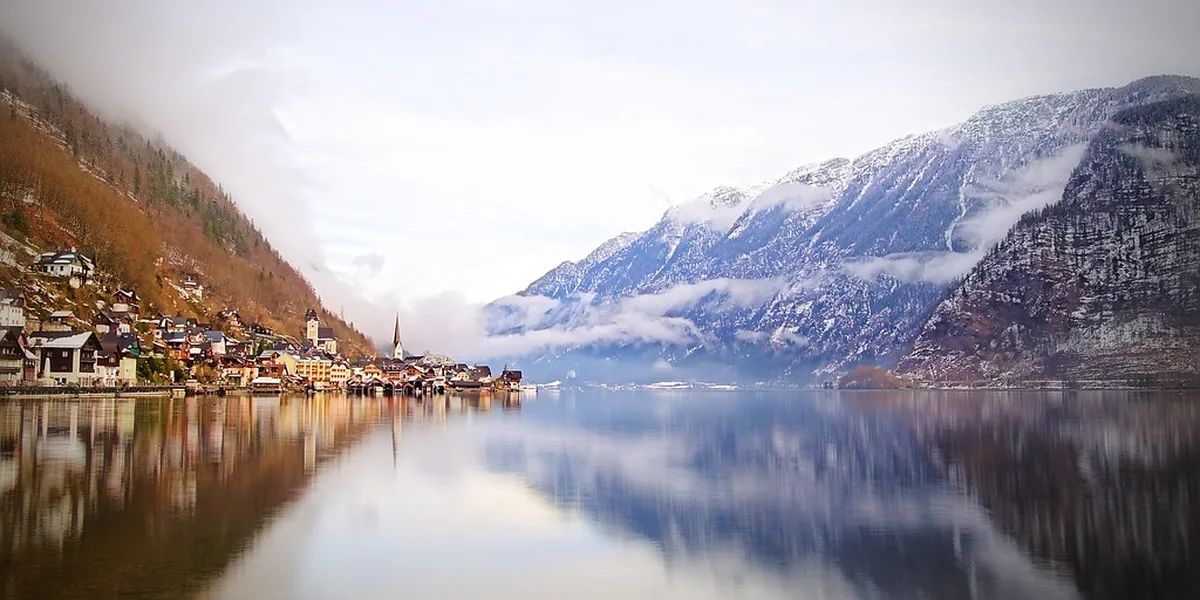
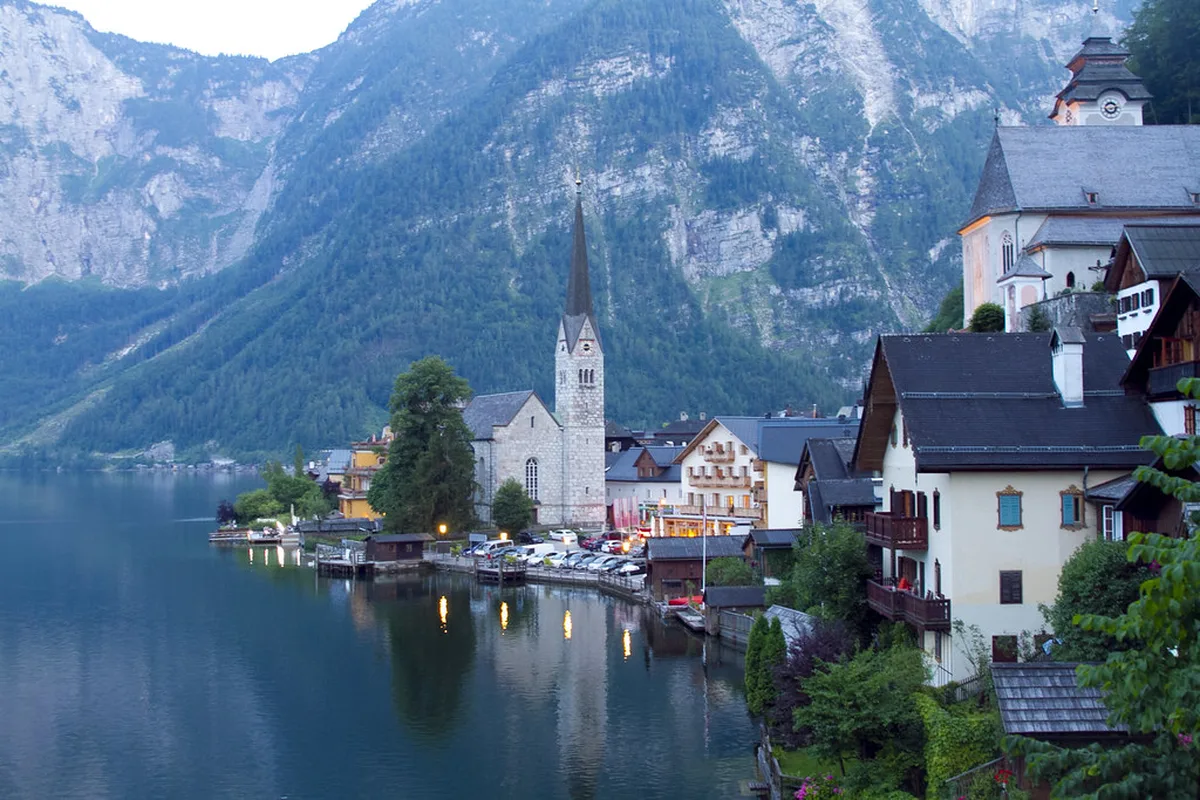
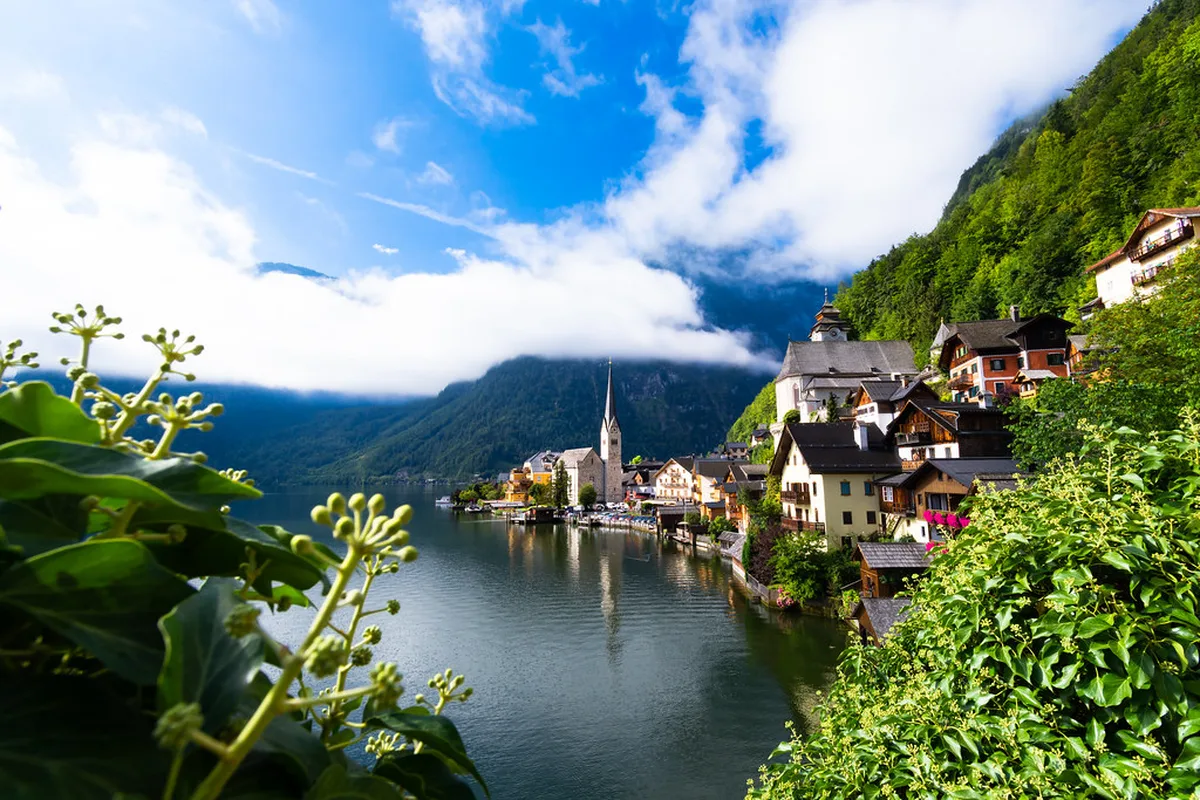
Every visitor arrives wanting the photograph: the white spire of the Catholic parish church reflected in the still water of the Hallstätter See, with the village's pastel facades stacked against the cliff face behind. The spot to take it from is the lakeside in front of the ferry dock at the northern end of the market square.
The quality of this photograph depends almost entirely on timing. In the early morning, before 8am, the lake surface is usually calm and the light falls gently from the east across the church facade. By 10am in summer, the dock area is dense with people. By noon, it is nearly impossible to compose a clean shot. Arrive early, or accept that your photograph will include a crowd and frame accordingly.
The reflection disappears when the lake is disturbed by wind or boat traffic, typically from mid-morning onward. Early morning calm is not guaranteed but is far more likely before tourist activity begins.
2. Visit the Hallstatt Ossuary (The Bone House)
The Beinhaus — literally "bone house" — is a small chapel attached to the Catholic parish church on the hillside above the market square. Its walls and shelves hold over 1,200 decorated human skulls, each painted with flowers, wreaths, and the names of the deceased. The tradition began in the 18th century when Hallstatt's limited burial land required exhumation of old graves to make room for new ones. Rather than discarding the remains, families commissioned artists to decorate the skulls as a form of lasting commemoration.
The last decorated skull was added in 1995. The Beinhaus is open to visitors for a small fee and is one of the most unusual sights in the whole of Austria. It takes about 20 minutes to visit properly.
3. Take the Funicular Up to the Skywalk Viewpoint
The World Heritage View Skywalk sits on the Salzberg mountain high above the village. Reaching it requires taking the funicular from the southern end of Hallstatt — a ride of a few minutes that delivers you to the Salzberg station, from which a 10-minute walk leads to the viewpoint platform.
The platform looks west and south across the rooftops of Hallstatt and over the full length of the Hallstätter See. The elevation reveals the entire geography of the place in a way that is impossible to perceive from the village below. The funicular costs approximately €13 for a return ticket in 2026. Visiting before 9am means the platform is often empty.
Hallstatt Skywalk viewpoint4. Tour the Hallstatt Salt Mine
🎯 Insider Tip: Discover the best Hallstatt experiences with Viator Tours!
The Salzwelten Hallstatt salt mine is the oldest in the world open to visitors, with a mining history stretching back 3,500 years to the Bronze Age. The guided tour — approximately 90 minutes — takes visitors through illuminated tunnels and past reconstructions of prehistoric mining techniques. Highlights include the wooden mine slides used to descend between levels (visitors slide down these themselves), an underground salt lake, and displays explaining how the prehistoric miners lived and worked.
Overalls are provided at the entrance and must be worn. The temperature underground is a constant cool, comfortable for the duration of the tour. Tickets including the funicular cost approximately €35 per adult in 2026. Book online in advance for July and August visits.
Hallstatt Salt Mine guide5. Rent a Boat on Lake Hallstatt
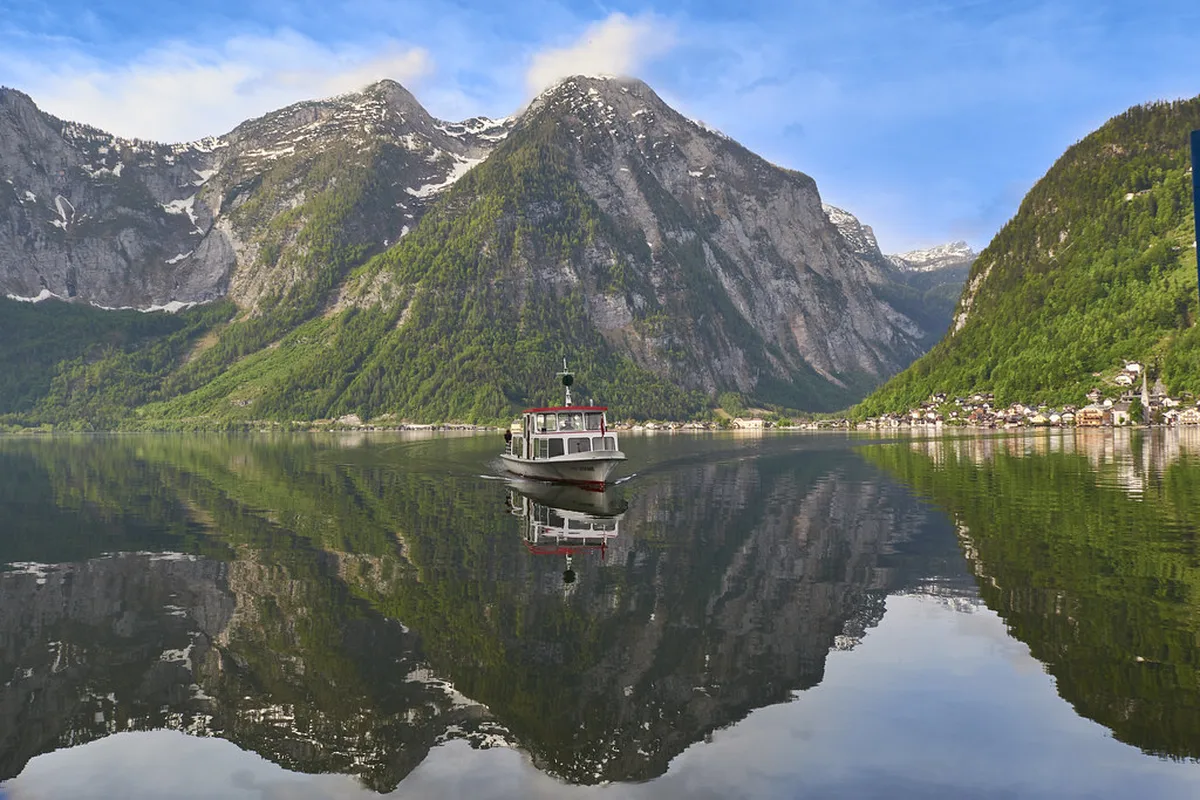
The Hallstätter See — Lake Hallstatt — is a deep glacial lake set against the Dachstein mountains. Renting an electric boat or rowing boat from the village gives a perspective of Hallstatt that is unobtainable from the shore: the full north face of the village reflected in water, the cliff walls rising directly from the lake surface, and the silence of the water itself.
Electric boats and rowing boats are available for hire near the ferry dock during summer months. Kayak and stand-up paddleboard hire is also available. Going out early in the morning, before powerboat activity increases, gives the calmest water and the best light.
6. Wander Through Hallstatt Old Town
Hallstatt's main street and market square form one of the best-preserved medieval townscapes in central Europe. The market square — Marktplatz — is surrounded by buildings dating from the 15th and 16th centuries, many with characteristic wooden balconies overflowing with geraniums in summer. The narrow lanes between the buildings lead to staircases cut into the cliff face and private gardens on impossibly steep ground.
Walking the old town takes little time but rewards slowness. The south end of the village, past the main tourist concentration, is noticeably quieter and contains some of the most attractive residential buildings. The lakeside promenade from the market square south along the water is flat, pleasant, and significantly less crowded than the dock area.
7. Visit The Hallstatt World Heritage Museum
🎯 Insider Tip: Discover the best Hallstatt experiences with Viator Tours!
The Hallstatt Museum on the market square holds one of Austria's finest prehistoric collections. The exhibits cover the Bronze Age and Iron Age archaeological finds from the salt mine excavations on the Salzberg, including tools, clothing fragments, and human remains preserved by the salt for thousands of years. The museum also documents the development of the village from Celtic settlement through Roman occupation to the present.
Entry costs approximately €10 per adult in 2026. The museum is compact but dense with material and takes about an hour to explore properly. It provides essential context for the salt mine tour and makes the prehistoric history of the place tangible in a way that standing in the village does not.
8. Walk Along the Hallstatt Lake Promenade
The lakeside promenade running south from the market square toward the Lahn district is Hallstatt's most relaxed public space. The path follows the water's edge with the cliff face on one side and the open lake on the other. Away from the tourist concentration at the dock, this section of the village offers views of the mountains to the south and quieter stretches of the waterfront with benches, small gardens, and the occasional boat tied up at private moorings.
The promenade is at its best in the late afternoon, when the day-trippers are leaving and the light on the mountains turns warm and horizontal. In summer, this is when Hallstatt briefly feels like the quiet lakeside village it is for its permanent residents.
9. Chill in the Market Square
Hallstatt's Marktplatz has been a commercial and social centre since the medieval period. The square is surrounded by cafes, guesthouses, the museum, and the parish church. In summer it is busy through the middle of the day but empties significantly in the late afternoon. Sitting at one of the outdoor tables with a coffee or a glass of Austrian white wine as the coach parties depart is one of the more pleasant ways to experience the village.
The Christmas market held on the Marktplatz in late November and early December transforms the square entirely. Stalls selling traditional crafts, hot wine, and regional food fill the space, and the backdrop of snow-dusted mountains and the lit church facade makes it one of Austria's most atmospheric seasonal markets.
10. Go Hiking Around Hallstatt
The mountains immediately surrounding Hallstatt offer trails ranging from short forest walks to serious alpine routes. The most accessible from the village is the trail from the Salzberg funicular station up to the Rudolfsturm — a medieval watchtower that once guarded the salt mine — and beyond to higher ground with views over the lake and toward the Dachstein massif. The round trip takes two to three hours at a relaxed pace.
In winter, snowshoe routes on the Krippenstein plateau above Obertraun, accessible by gondola from the opposite shore of the lake, provide an excellent full-day winter hiking experience. The Dachstein area also has prepared cross-country ski trails in winter months.
Practical Tips for Things to Do in Hallstatt
Best Time of Day
For the dock view and Skywalk: before 9am. For the salt mine and museum: 10am–1pm, when the viewpoint is most crowded anyway. For boat hire and the promenade: afternoon. For the market square and cafes: late afternoon once day-trippers thin out.
Booking Ahead
The salt mine tour fills up in July and August. Book online at salzwelten.at. All other activities can be done without advance booking, though accommodation in the village itself requires planning far in advance for summer dates.
Combining Activities
The funicular and salt mine are located at the same point — the Salzberg station serves both. A logical approach is to take the funicular up early, visit the Skywalk platform first (before crowds), then move to the salt mine tour. The Beinhaus, museum, and old town are all in the village and walkable without any transport.
Ticket Prices and Opening Hours in 2026
- Salzwelten salt mine (including funicular): approximately €35 per adult, €18–22 for children. Book at salzwelten.at. Summer hours: tours from approximately 9am to 4pm; first tour is often the least crowded.
- Salzbergbahn funicular (Skywalk only): approximately €13 return per adult. Summer operating hours approximately 9am–6pm. Reduced hours in winter.
- Hallstatt Museum: approximately €10 per adult. Open daily in summer from 10am to 5pm; reduced hours November to March.
- Beinhaus (Ossuary): small entry fee of approximately €1.50. Open May to October, typically 10am–5pm. Check current hours at the parish church on arrival.
- Boat hire: electric boats and rowing boats available near the ferry dock, typically from €15–20 per hour depending on vessel type. Available May to October during daylight hours.
- Hallstatt Museum hiking trails: free once you have the funicular ticket. The Rudolfsturm trail from the Salzberg station takes 30–45 minutes round trip.
Free Things to Do in Hallstatt
🎯 Insider Tip: Discover the best Hallstatt experiences with Viator Tours!
Not everything in Hallstatt costs money. Several of the most rewarding experiences in the village carry no admission charge and require nothing beyond your own feet and a willingness to arrive at the right time.
The Famous Dock Photograph
Standing at the lakeside in front of the ferry dock and taking the photograph that has made Hallstatt famous is entirely free. No ticket, no booking, no queue — provided you are there before 8am in summer, when the experience costs nothing and the light is at its best.
The Lakeside Promenade
Walking the promenade from the market square south toward the Lahn district costs nothing and is one of the most pleasant things to do in Hallstatt outside of the paid attractions. The path follows the lake edge with mountains on both sides and boat moorings, small gardens, and quiet stretches of waterfront that are completely free of crowds in the morning and late afternoon.
The Old Town
Wandering the medieval lanes, stairways, and residential streets of Hallstatt is free. The market square itself — the Marktplatz — is open public space. The wooden balconies, the flower boxes, the narrow passages cut into the cliff face: all visible without buying anything. Allow at least 45 minutes to explore at a slow pace.
Hiking the Salzberg Trails
Several hiking trails depart from the Salzberg area above the village. If you have already paid for the funicular, the trails from the top — including the route to the Rudolfsturm watchtower — are free to walk. Alternatively, the forest trail from the village up to the Salzberg station (approximately 45–60 minutes) can be walked for free in both directions, avoiding the funicular charge entirely for fit visitors.
The Market Square Atmosphere
Simply sitting at one of the public benches on the Marktplatz and watching the village function is free. In peak season this is more sociological observation than relaxation, but in the early morning or late afternoon it is genuinely pleasant. The church exterior and the views down the main street toward the lake are among the most photographed street scenes in Austria and cost nothing to enjoy.